
Beautiful Plants For Your Interior
Beautiful Plants For Your Interior
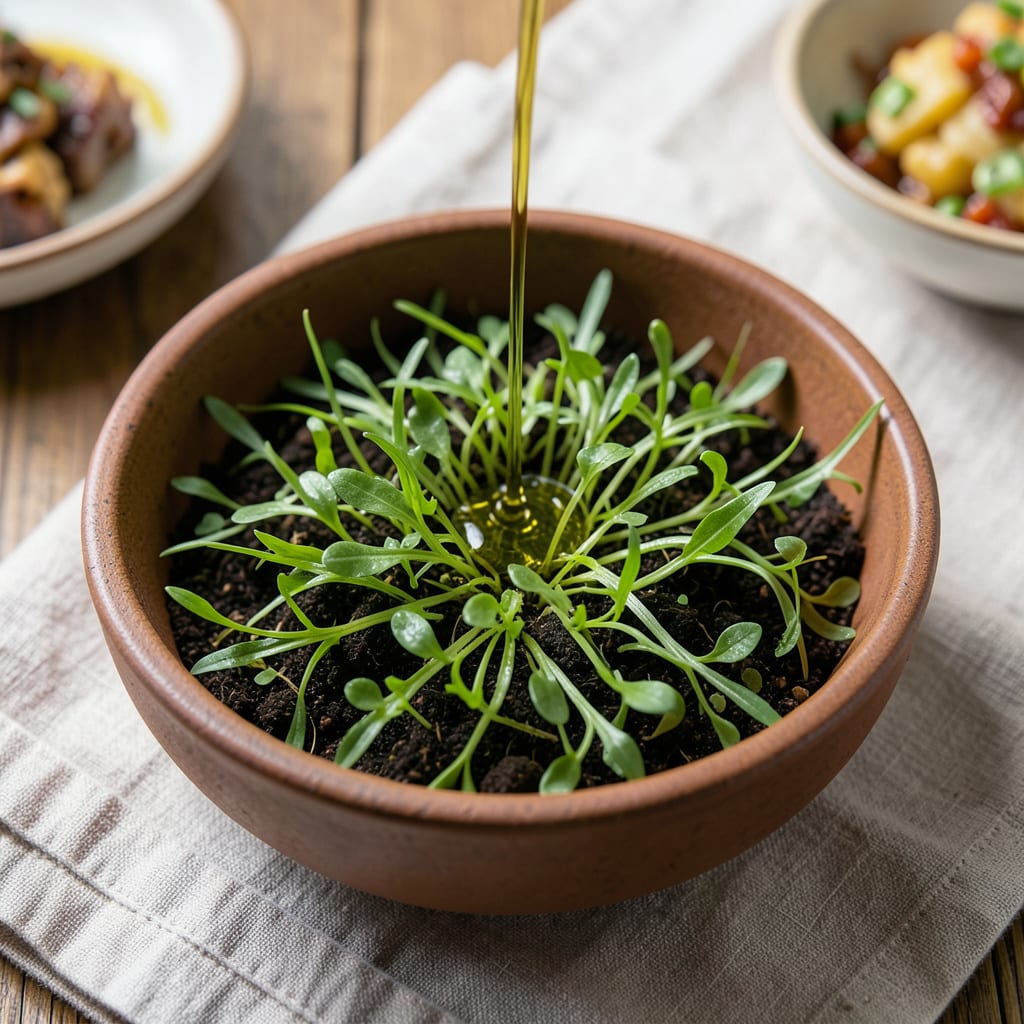
Establishing a healthy Lawn Grass 🌿 begins with proper fertilization at the right time. Knowing when to fertilize your new lawn can make all the difference in its health and growth during spring or fall when it’s typically planted.
I’ll guide you through the best times to fertilize your new lawn, helping you achieve that lush, green look you’re after. Let’s explore the optimal fertilization schedule for your Lawn Grass in USDA Zone 6.

Understanding when to fertilize new lawn seedlings is crucial for their healthy development. The timing depends on factors like grass type and climate. Generally, it’s recommended to fertilize after the seedlings have established themselves.
For most cool-season grasses, fertilization should occur about 4-6 weeks after seeding. This allows the young grass to develop a robust root system before being fed with additional nutrients. Warm-season grasses typically require fertilization after they’ve reached a height of 3-4 inches. 🌿
The type of fertilizer to use is also important. A starter fertilizer with a balanced NPK ratio (such as 10-10-10) is ideal for new lawn seedlings. This provides the necessary nutrients for root development and overall growth.
For cool-season grasses, spring and fall are the best times for fertilization. In regions with mild winters, a late fall application can help promote root growth during the dormant season.
Warm-season grasses, on the other hand, benefit from fertilization during the late spring and summer months when they’re actively growing.
It’s essential to follow the recommended application rates on the fertilizer package to avoid over-fertilizing, which can damage the young seedlings. A general guideline is to apply 1 pound of fertilizer per 1,000 square feet of lawn area.
Proper timing and application of fertilizer will help your new lawn seedlings establish a strong foundation for a lush, green lawn. By considering factors like grass type, climate, and fertilizer type, you can give your lawn the best start possible.
For more specific advice tailored to your region and grass type, consult with a local gardening expert or extension office. They can provide guidance on the best fertilization practices for your area.
Remember, a well-maintained lawn not only enhances the beauty of your property but also contributes to a healthier environment. Proper fertilization is a key step in achieving that.
By following these guidelines and being mindful of your lawn’s specific needs, you’ll be on your way to enjoying a vibrant, healthy lawn throughout the growing season. 🌱
When it comes to fertilizing new sod, timing is critical for root establishment. After laying sod, it’s essential to fertilize at the right time to promote healthy growth and development.
I recommend waiting until the sod has been established for about 2-4 weeks before applying fertilizer. This allows the roots to start growing into the soil. Using a starter fertilizer with a balanced NPK ratio (such as 10-10-10) is ideal for new sod.
Water your new sod immediately after installation and keep the soil consistently moist during the first few weeks. This helps the roots establish themselves in the soil.
The type of fertilizer to use for new sod is also important. A balanced fertilizer that contains equal parts nitrogen, phosphorus, and potassium (NPK) is recommended. This provides the necessary nutrients for root development and overall growth.
When applying fertilizer to new sod, it’s essential to follow the recommended application rates on the fertilizer package. Over-fertilizing can damage the young sod, while under-fertilizing may not provide enough nutrients for healthy growth.
A general guideline is to apply 1 pound of fertilizer per 1,000 square feet of lawn area. However, this may vary depending on the specific fertilizer product and the needs of your lawn.
Proper timing and application of fertilizer will help your new sod establish a strong root system and promote healthy growth. By considering factors like soil type, climate, and fertilizer type, you can give your lawn the best start possible.
For more specific advice tailored to your region and lawn type, consult with a local gardening expert or extension office. They can provide guidance on the best fertilization practices for your area. 🌿
Fertilizing a new lawn can be a bit tricky, and there are several common mistakes that homeowners make. Being aware of these pitfalls can help you avoid them and ensure your lawn gets the best start possible 🌱.
One of the most common mistakes is over-fertilizing. Applying too much fertilizer can damage your new lawn by burning the grass and causing it to become stressed.
Over-fertilization is a serious issue because it can lead to excessive growth, making the lawn more susceptible to disease and pests. It’s crucial to follow the recommended application rates on the fertilizer package.
Another mistake is fertilizing too early. For new lawns, it’s generally recommended to wait until the grass has been mowed at least twice before applying fertilizer. This allows the young seedlings to establish themselves without the risk of burning from too many nutrients.
The type of fertilizer used is also critical. Using a starter fertilizer with a balanced NPK ratio is ideal for new lawns. Avoid using fertilizers with high nitrogen content, as they can promote too much top growth at the expense of root development 🌿.
Finally, be mindful of the timing of fertilization. For cool-season grasses, fertilize in early fall or spring. For warm-season grasses, late spring and summer are the best times.
By avoiding these common mistakes, you can help ensure your new lawn establishes a strong root system and grows into a lush, healthy lawn.
For most cool-season grasses, wait 4-6 weeks after seeding before fertilizing. This allows the young grass to develop a robust root system. For warm-season grasses, fertilize after they’ve reached a height of 3-4 inches.
A starter fertilizer with a balanced NPK ratio (such as 10-10-10) is ideal. This provides necessary nutrients for root development and overall growth, giving your lawn a healthy start.
No, wait until the sod has been established for about 2-4 weeks before applying fertilizer. This allows the roots to start growing into the soil, ensuring better nutrient absorption.
Fertilize your lawn every 4-6 weeks during the growing season. For cool-season grasses, focus on spring and fall. For warm-season grasses, fertilize during late spring and summer.
