
Beautiful Plants For Your Interior
Beautiful Plants For Your Interior
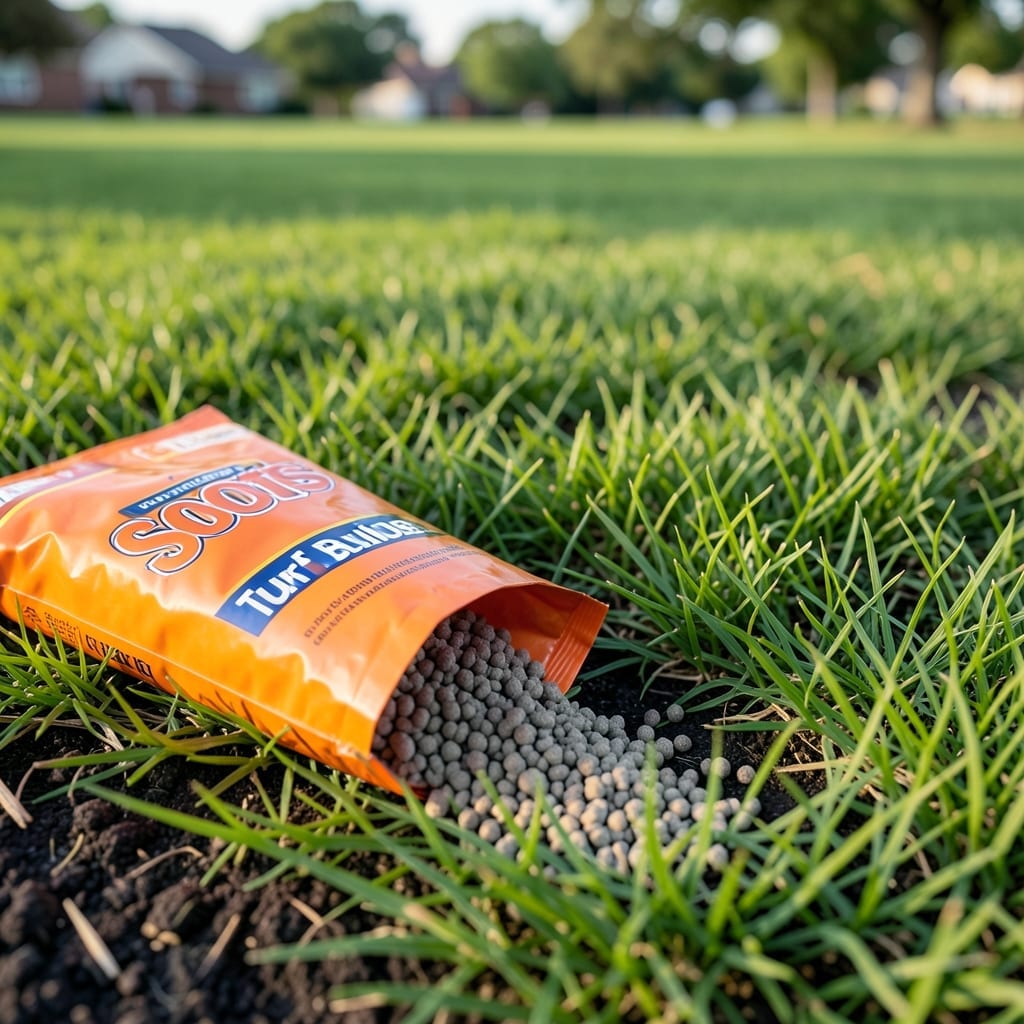
Timing your lawn fertilization correctly in North Florida’s unique climate can mean the difference between a patchy, struggling yard and a vibrant, envy-inducing landscape. With warm-season 🌱 Lawn Grass dominating the region, knowing the optimal windows ensures maximum growth and resilience.
I’ve seen too many homeowners waste time and money by fertilizing at the wrong times. The key is working with North Florida’s 8b zone, not against it. Spring and fall offer the best opportunities for your grass to thrive.
Whether you’re growing Bermuda, St. Augustine, or Zoysia, the seasonal cycles here demand a strategic approach. Discover how to align your efforts with nature’s rhythm for the lushest results.
Let me walk you through the exact timing and techniques that will transform your lawn. You’ll learn how to make every fertilizer application count.
North Florida’s warm-season grasses like Bermuda, St. Augustine, and Zoysia thrive with a well-timed fertilization schedule. The region’s USDA Zone 8b climate means you’ll want to focus on spring and fall for the best results.
I always tell my clients that March through April is prime time for the first major feeding of the year. This is when your grass starts actively growing and the soil warms up.
| Season | Action | Key Months | Grass Focus |
|---|---|---|---|
| Spring | FEED | March-April | Root growth |
| Summer | Light Feed | May-June | Avoid heat stress |
| Fall | FEED | Sept-Oct | Winter prep |
| Winter | Skip | Nov-Feb | Dormant |
For fall fertilization, I recommend a second major feeding in September through October. This helps your lawn recover from summer stress and builds strong roots before winter dormancy.
Summer is tricky in North Florida. While you might be tempted to fertilize heavily during peak heat, I advise against it. Instead, use a light feeding in May and June to maintain color without stressing your grass.
Your fertilizer choice matters too. I typically use a 16-4-8 or 20-5-10 NPK ratio for warm-season grasses. These formulations provide the right balance of nitrogen for leaf growth and potassium for root development.
Slow-release fertilizers are my go-to for North Florida lawns. They feed your grass gradually, reducing the risk of burn and ensuring consistent growth over 6-8 weeks.
The amount matters as much as the timing. Aim for about 1 lb of nitrogen per 1000 sq ft per application. This rate gives your lawn the nutrients it needs without overloading the soil.
Don’t forget the best time of day to fertilize. I always recommend early morning applications. This allows the fertilizer to settle into the soil before the heat of the day and reduces the chance of it sticking to grass blades and burning them.
For the most precise schedule, consider your specific grass type. Bermuda grass can handle a slightly more aggressive feeding schedule than St. Augustine, which prefers a more moderate approach.
And remember, always water your lawn before and after fertilizing to help activate the nutrients and prevent burn. ☀️
I’ve learned the hard way that timing isn’t the only factor in North Florida lawn care. Over-fertilizing in summer can burn your grass when it’s already stressed by heat. Stick to light applications during the hottest months.
Ignoring soil tests is another common mistake. Without knowing your soil’s pH and nutrient levels, you might be adding what your lawn doesn’t need. Always test before applying.
Using the wrong NPK ratios can lead to weak root systems. Always match your fertilizer to your grass type and season.
Fertilizing dormant grass in winter wastes resources. Your lawn won’t absorb nutrients until it’s actively growing again.
Many homeowners assume more fertilizer equals better results, but this often leads to runoff and environmental harm. Follow the recommended 1 lb per 1000 sqft rate for best results.
Applying at the wrong time of day can reduce effectiveness. Early morning is ideal, as it allows the fertilizer to soak in before the heat of the day.
Don’t forget to water your lawn before and after fertilizing. This helps the nutrients penetrate the soil and prevents burning your grass.
Finally, avoid skipping fall fertilization. This is crucial for strengthening roots before winter dormancy. A well-fed lawn in fall will bounce back stronger in spring.
By steering clear of these mistakes, you’ll see a healthier, more resilient lawn that thrives year-round ☀️