
Beautiful Plants For Your Interior
Beautiful Plants For Your Interior
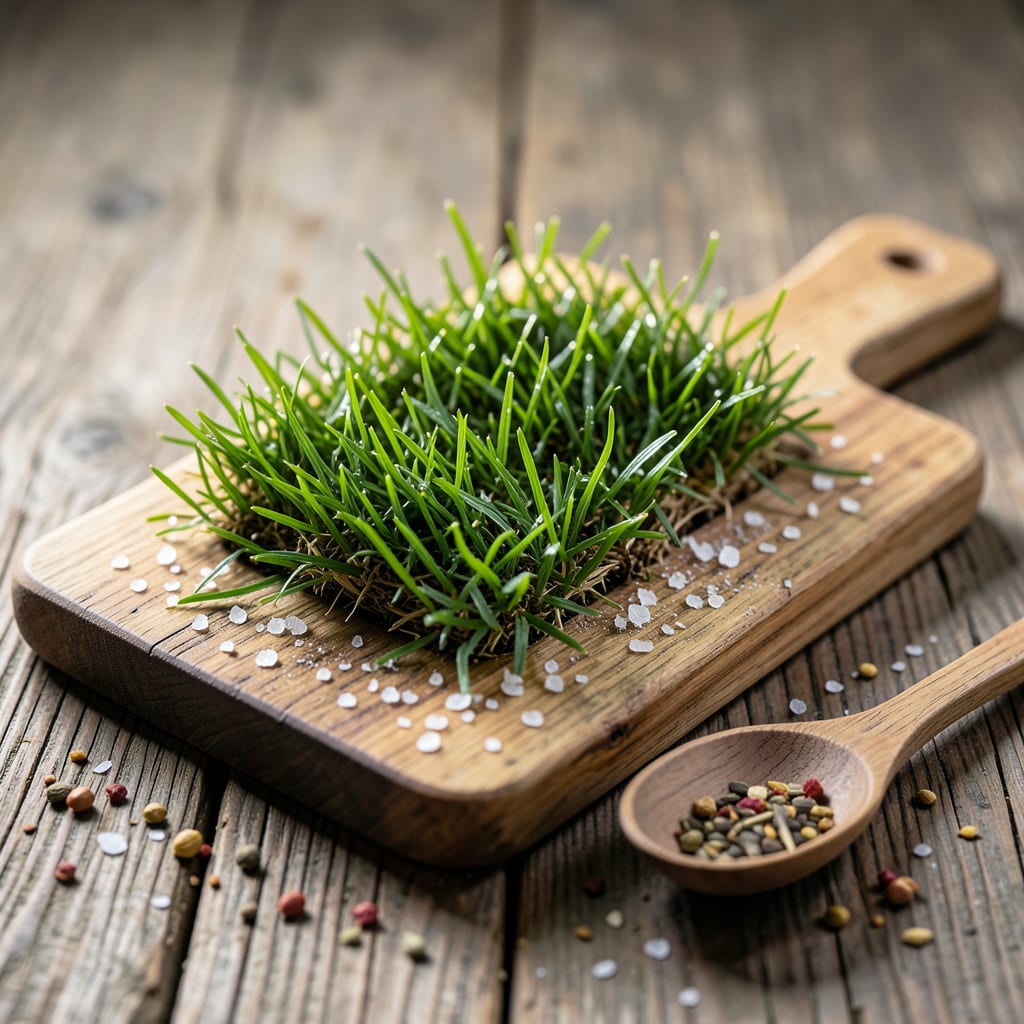
Michigan’s changing seasons can make lawn care challenging, but knowing when to fertilize your Lawn Grass 🌿 is key to a healthy, vibrant yard. In Michigan’s 5b-6a climate, the right fertilization timing makes all the difference.
Fertilizing at the right times – typically during spring and fall – helps your Lawn Grass thrive. Let’s explore the best fertilization schedule for your Michigan lawn.

Michigan’s climate presents unique challenges for lawn care due to its cold winters and warm summers. Understanding the best times to fertilize your lawn is crucial for maintaining healthy growth throughout the year. The state’s seasonal changes significantly impact lawn fertilization needs 🌿.
The ideal fertilization schedule for Michigan lawns typically involves spring and fall applications. These periods are critical for promoting healthy growth and preparing the lawn for the challenges of other seasons.
The spring application is crucial as it helps the lawn recover from winter stress and promotes healthy growth during the growing season. For most Michigan lawns, this means applying fertilizer when soil temperatures reach 55°F, typically in late April or early May 🌼.
Summer fertilization should be approached with caution. While it’s generally recommended to use light feeding during this period, it’s essential to avoid over-fertilizing, which can stress the lawn during hot weather 🔥.
The fall application is particularly important for Michigan lawns as it helps promote root growth and prepares the grass for the winter months. This application should typically occur in September or October, using a high-phosphorus fertilizer to support root development 🌱.
During the winter months, fertilization is not necessary as the lawn is dormant. This period allows the lawn to rest and recover from the stresses of the growing season ❄️.
Understanding these seasonal fertilization guidelines is key to maintaining a healthy, vibrant lawn in Michigan. By following this schedule, homeowners can ensure their lawn receives the nutrients it needs throughout the year 🌿.
It’s also important to consider the specific type of grass in your lawn when planning your fertilization schedule. Michigan lawns can be composed of various cool-season and warm-season grasses, each with its own fertilization needs 🌻.
Cool-season grasses, which thrive in Michigan’s climate, typically require more frequent fertilization during their active growing periods in spring and fall. These grasses benefit from the recommended fertilization schedule outlined above.
Warm-season grasses, while less common in Michigan, have different fertilization needs. They typically require fertilization during their active growing period in the summer months ☀️.
By tailoring your fertilization strategy to the specific type of grass in your lawn, you can maximize the effectiveness of your lawn care efforts and maintain a healthy, lush lawn throughout the year 🌿.
Michigan lawns typically consist of various cool-season and warm-season grasses, each requiring different fertilization approaches. Understanding these differences is crucial for effective lawn care 🌿.
Cool-season grasses, such as Kentucky bluegrass and perennial ryegrass, are common in Michigan. They thrive in the state’s climate and require more frequent fertilization during their active growing periods in spring and fall.
Cool-season grasses benefit from fertilization in early spring and fall, with an optional summer application if needed. For these grasses, a balanced fertilizer (e.g., 10-10-10 NPK) is typically recommended 🌼.
Warm-season grasses, while less common in Michigan, have different needs. They require fertilization during their active growing period in the summer months, typically June through August. A high-nitrogen fertilizer (e.g., 20-5-5 NPK) is often recommended for these grasses ☀️.
It’s essential to identify the type of grass in your lawn to determine the most appropriate fertilization strategy. This knowledge will help you tailor your lawn care efforts for optimal results 🌱.
For both cool-season and warm-season grasses, it’s crucial to follow the recommended fertilizer application rates to avoid over-fertilizing, which can harm the lawn and the environment 🌿.
By understanding the specific fertilization needs of your lawn type, you can create an effective fertilization schedule that promotes healthy growth and maintains a lush, vibrant lawn throughout the year 🌻.
Fertilizing your Michigan lawn effectively requires more than just knowing when to apply fertilizer. Understanding the type of fertilizer to use, how much to apply, and other best practices can significantly impact the health and appearance of your lawn 🌿.
For optimal results, choose a slow-release fertilizer that matches your lawn’s specific needs. This type of fertilizer provides nutrients to your lawn over an extended period, promoting consistent growth and reducing the risk of over-fertilization.
When it comes to fertilizing your Michigan lawn, the type of fertilizer you use is just as important as the timing. A balanced fertilizer with an NPK ratio of 10-10-10 is generally recommended for most lawns. However, the specific needs of your lawn may vary based on factors such as soil type, grass species, and current nutrient levels 🌱.
Soil testing is a critical step in determining the right fertilizer for your lawn. By analyzing your soil’s nutrient content, you can identify any deficiencies and choose a fertilizer that addresses those specific needs. This targeted approach helps ensure that your lawn receives the nutrients it requires without overloading it with unnecessary elements 🔬.
In addition to choosing the right fertilizer, proper application is essential. Be sure to follow the manufacturer’s instructions for application rates and timing. Over-fertilizing can damage your lawn and harm the environment, while under-fertilizing may not provide the desired benefits 🌻.
By combining these additional tips with the optimal fertilization schedule for Michigan lawns, you can create a comprehensive lawn care plan that promotes healthy growth and maintains a vibrant, lush appearance throughout the year 🌿.
The best times to fertilize your lawn in Michigan are during spring (April-May) and fall (September-October). These periods promote healthy growth and prepare your lawn for the challenges of other seasons.
For most Michigan lawns, fertilizing 2-3 times per year is recommended. This typically includes applications in early spring, late fall, and optionally in summer if needed. The exact frequency depends on your lawn type and soil conditions.
A balanced fertilizer (e.g., 10-10-10 NPK) is generally recommended for most Michigan lawns. However, a high-phosphorus fertilizer is beneficial for fall applications to promote root growth. Consider getting a soil test to determine your lawn’s specific nutrient needs.
Summer fertilization should be approached with caution. If you must fertilize during summer, use light feeding and avoid fertilizing during extreme heat. It’s generally better to focus on spring and fall applications for optimal results.
