
Beautiful Plants For Your Interior
Beautiful Plants For Your Interior
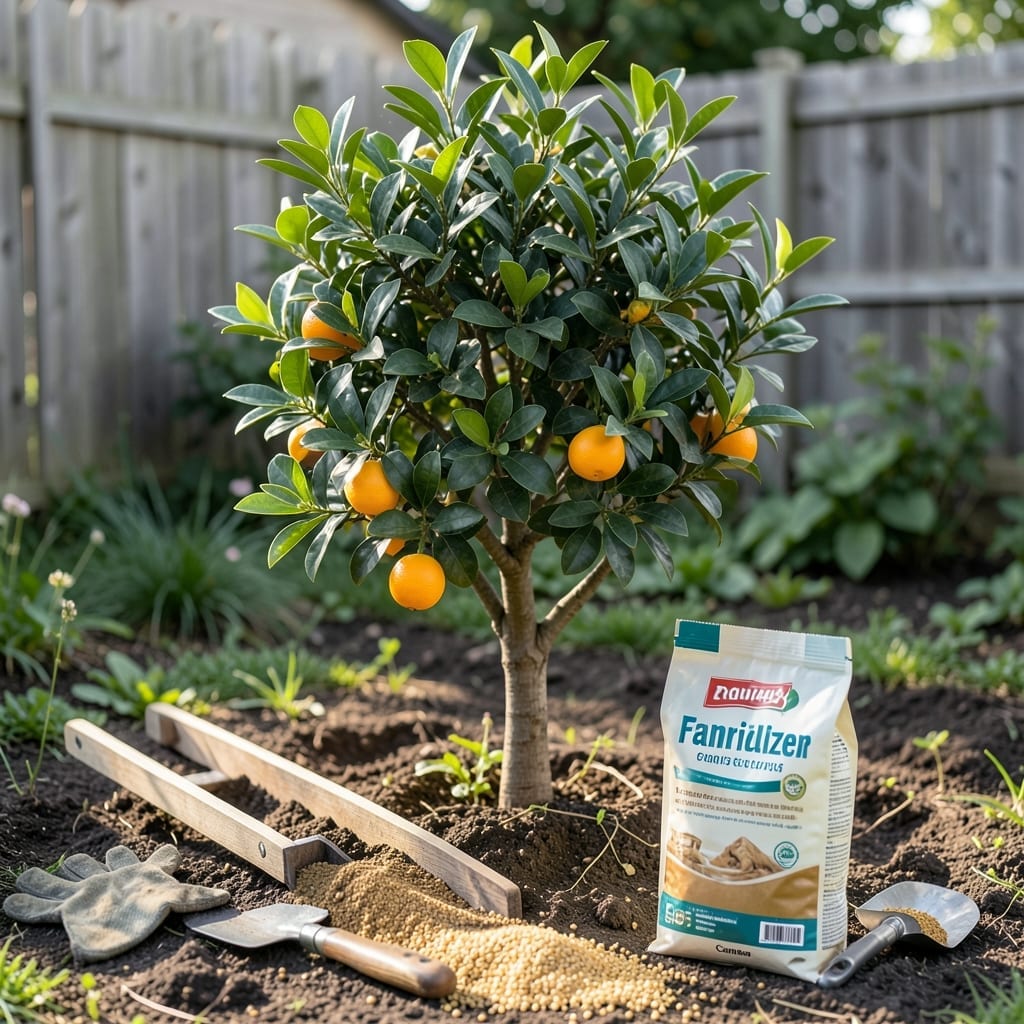
Fertilize Florida lawns and gardens in spring and fall, avoiding summer heat and winter dormancy. Warm-season grasses thrive with applications from March to October, while cool-season plants prefer late fall to early spring.
I’ve learned that Florida’s unique climate demands precise timing for maximum plant health. 🔥 The intense summer humidity can stress plants, making fertilizer less effective, while winter dormancy means nutrients often go unused. For warm-season varieties like St. Augustine grass, late spring and early fall feedings work best to support active growth periods.
💡 In This Article
Warm-season grasses like Bermuda and St. Augustine enter active growth when soil temperatures hit 65-70°F. This typically occurs in March across most of Florida, triggering root development and leaf expansion. The metabolic processes that drive growth demand nitrogen, phosphorus, and potassium—nutrients that fertilizers provide in balanced ratios like 16-4-8. 🔥
Cool-season plants such as fescue or annual flowers behave differently. They thrive when temperatures range from 60-75°F, making October to February ideal. During these months, their root systems absorb nutrients efficiently without the stress of summer’s 90°F+ heat, which can cause fertilizer burn or leaching.
Florida’s high humidity and frequent rain also accelerate nutrient leaching. Slow-release fertilizers work best here, as they feed plants gradually over 8-12 weeks rather than all at once.
I’ve seen lawns respond dramatically to split applications—0.5 lbs of nitrogen per 1,000 sq ft in April and again in September—preventing the boom-and-bust growth cycles that stress turf. ✨
Ornamentals and vegetables have their own rhythms. Citrus trees, for example, benefit from 3 applications yearly: late January, May, and September. This aligns with their flowering and fruiting cycles, ensuring they have the energy to produce abundant, sweet fruit. 💫
Soil testing reveals another layer of precision. Many Florida soils are sandy and low in organic matter, which means they drain quickly and hold fewer nutrients. Adding 2-3 inches of compost before fertilizing can improve retention, making your timing and product choices even more effective.
Yes, most counties prohibit nitrogen and phosphorus fertilizers from June 1 to September 30. This helps protect waterways during heavy rain seasons. Always check local ordinances, as some areas have stricter rules.
Feed Bermuda or St. Augustine every 6-8 weeks during active growth (March to October). Split applications into 0.5 lbs nitrogen per 1,000 sq ft for steady growth. Avoid fertilizing in extreme heat.
Citrus thrive with 3 applications yearly: late January, May, and September. This schedule supports flowering and fruiting cycles while avoiding summer stress.
Apply in early morning or late evening to prevent heat stress. Water lightly afterward to activate nutrients. For granular types, give 0.25-0.5 inches of water to help it settle.