
Beautiful Plants For Your Interior
Beautiful Plants For Your Interior
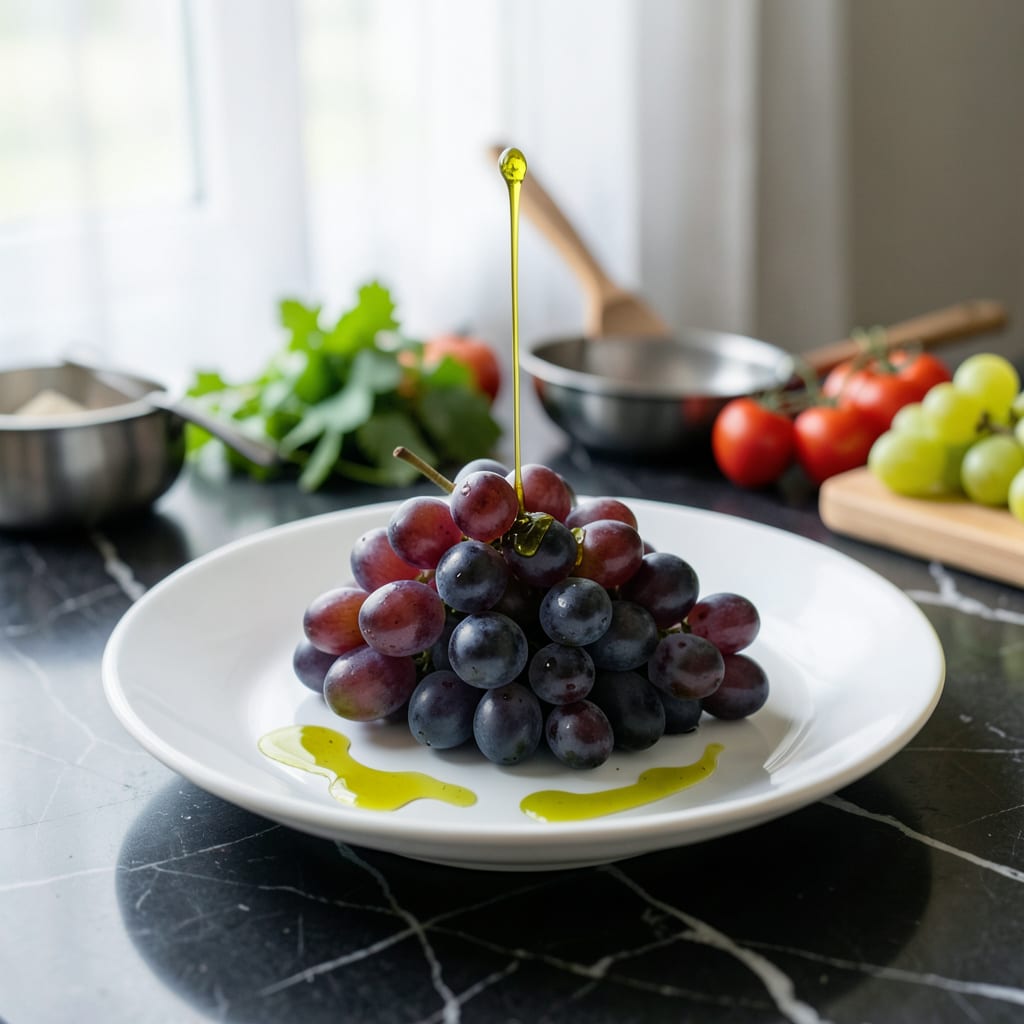
As spring arrives, your Grape 🍇 vines start their growing season, and proper fertilization becomes crucial for a bountiful harvest. In USDA Zone 6, timing is everything – fertilizing at the right moment can make all the difference in your vine’s health and productivity.
Understanding when to fertilize is key to maximizing your Grape 🍇 yields. Let’s explore the optimal fertilization schedule to ensure your vines thrive from March through October.

Understanding when to fertilize grapes is crucial for maintaining healthy vines and maximizing fruit production. The fertilization schedule for grapes varies depending on the growth stage and seasonal requirements.
In USDA Zone 6, grapevines typically start their growing season in early spring. The first fertilization usually occurs in March, just as the buds begin to swell. This initial feeding provides essential nutrients for the upcoming growing season.
The fertilization frequency for grapes is typically every 4-6 weeks during the growing season. However, it’s essential to monitor soil conditions and adjust the fertilization schedule accordingly.
Nutrient requirements for grapevines vary throughout the growing season. During the spring growth stage, grapevines require higher amounts of nitrogen to support vegetative growth. As the season progresses and fruit begins to develop, the focus shifts to potassium and phosphorus to support fruit quality and vine health.
Soil testing is a critical component of grape fertilization. каждые 2-3 года. By understanding your soil’s nutrient content and pH level, your can tailor your fertilization program to meet the specific needs of your grapevines, ensuring optimal nutrient uptake and vine performance.
Maintaining a balanced fertilization program is key to promoting healthy grapevine growth and maximizing fruit production. By understanding the seasonal nutrient needs of your grapevines and adjusting your fertilization schedule accordingly, you can optimize vine health and fruit quality.
Proper timing is essential when it comes to fertilizing grapes. Fertilizing too early or too late in the season can impact vine performance and fruit quality. By following a well-planned fertilization schedule and monitoring soil conditions, you can ensure your grapevines receive the nutrients they need to thrive.
As we move into the summer months, it’s essential to adjust our fertilization strategy to support ongoing vine growth and fruit development. While the primary fertilization period is in the spring, some vineyards may apply additional nutrients during the summer months if necessary, based on soil test results and vine performance.
The type of fertilizer used for grapes can vary depending on soil conditions and vine needs. A balanced fertilizer with a ratio such as 10-10-10 NPK is commonly used, providing equal parts nitrogen, phosphorus, and potassium. Organic options are also available for those preferring a more natural approach to fertilization.
In conclusion, understanding when to fertilize grapes and how to do it effectively is crucial for maintaining healthy vines and maximizing fruit production. By following a well-planned fertilization schedule and monitoring soil conditions, you can optimize vine health and fruit quality, leading to bountiful harvests and delicious grapes.
Fertilizing grapes effectively requires understanding the right techniques and timing to support healthy vine growth and maximize fruit production. Proper fertilization can significantly impact the quality and quantity of your grape harvest.
To fertilize grapes successfully, you need to consider factors such as soil type, nutrient requirements, and the timing of application. The first step is to test your soil to determine its nutrient content and pH level, which will help you choose the right fertilizer.
Select a balanced fertilizer with a ratio such as 10-10-10 NPK. Consider organic options if you prefer a more natural approach.
Apply the fertilizer in early spring when buds begin to swell. Use 1 cup per 10 sq ft around the drip line of the vine.
Monitor vine health and adjust your fertilization schedule as needed. Soil testing every 2-3 years can help refine your approach.
The key to successful grape fertilization is understanding the nutrient needs of your vines at different growth stages. During the spring growth stage, grapevines require higher amounts of nitrogen to support vegetative growth.
As the season progresses and fruit begins to develop, the focus shifts to potassium and phosphorus to support fruit quality and vine health. A balanced fertilization program is essential to promote healthy grapevine growth and maximize fruit production.
Proper timing is crucial when fertilizing grapes. Fertilizing too early or too late in the season can impact vine performance and fruit quality. By following a well-planned fertilization schedule and monitoring soil conditions, you can ensure your grapevines receive the nutrients they need to thrive.
In USDA Zone 6, grapevines typically require fertilization every 4-6 weeks during the growing season. However, it’s essential to monitor soil conditions and adjust the fertilization schedule accordingly to avoid over-fertilization.
By understanding how to fertilize grapes effectively, you can optimize vine health and fruit quality, leading to bountiful harvests and delicious grapes. Regular monitoring and adjustments to your fertilization strategy will help you achieve the best results for your grapevines.
Fertilizing grapes can be a complex process, and making mistakes can have significant consequences for vine health and productivity. Understanding common fertilization errors is crucial to avoiding potential pitfalls and ensuring a bountiful harvest.
One of the most critical mistakes to avoid is over-fertilization. Applying too much fertilizer can damage grapevines, leading to excessive vegetative growth, reduced fruit quality, and increased susceptibility to disease. It’s essential to follow recommended fertilizer application rates and monitor soil conditions to avoid over-fertilizing.
Be cautious of over-fertilizing, as it can cause more harm than good to your grapevines. Monitor soil conditions and vine health closely to avoid this common mistake.
Another common mistake is fertilizing at the wrong time. Grapevines have specific nutrient requirements at different growth stages, and fertilizing too early or too late can impact vine performance and fruit quality. Understanding the seasonal nutrient needs of your grapevines is crucial to developing an effective fertilization strategy.
Nutrient imbalances can also harm grapevines. A balanced fertilizer with a ratio such as 10-10-10 NPK is commonly recommended, but it’s essential to consider soil test results and vine performance when determining the best fertilizer for your grapes.
By being aware of these common fertilization mistakes and taking steps to avoid them, you can optimize your grape fertilization strategy and promote healthy vine growth and fruit production.
Regular soil testing and monitoring of vine health can help you refine your fertilization approach and make adjustments as needed. By following a well-planned fertilization schedule and avoiding common mistakes, you can ensure a successful grape harvest.
In conclusion, understanding when to fertilize grapes and how to do it effectively is crucial for maintaining healthy vines and maximizing fruit production. By avoiding common fertilization mistakes and following a balanced fertilization program, you can optimize vine health and fruit quality, leading to bountiful harvests and delicious grapes 🌿.
In USDA Zone 6, the ideal time to fertilize grapes is in early March, just as the buds begin to swell. This initial feeding provides essential nutrients for the upcoming growing season.
Grapevines typically require fertilization every 4-6 weeks during the growing season. However, it’s crucial to monitor soil conditions and adjust the fertilization schedule accordingly to avoid over-fertilization. Soil testing can help determine the specific nutrient needs of your vines.
While the primary fertilization period is in the spring, some vineyards may apply additional nutrients during the summer months if necessary, based on soil test results and vine performance. Avoid fertilizing during extreme heat or drought conditions to prevent stressing the vines.
A balanced fertilizer with a ratio such as 10-10-10 NPK is commonly recommended for grapevines. This provides equal parts nitrogen, phosphorus, and potassium, supporting overall vine health and fruit production. Consider soil test results and vine performance when determining the best fertilizer for your grapes.
