
Beautiful Plants For Your Interior
Beautiful Plants For Your Interior
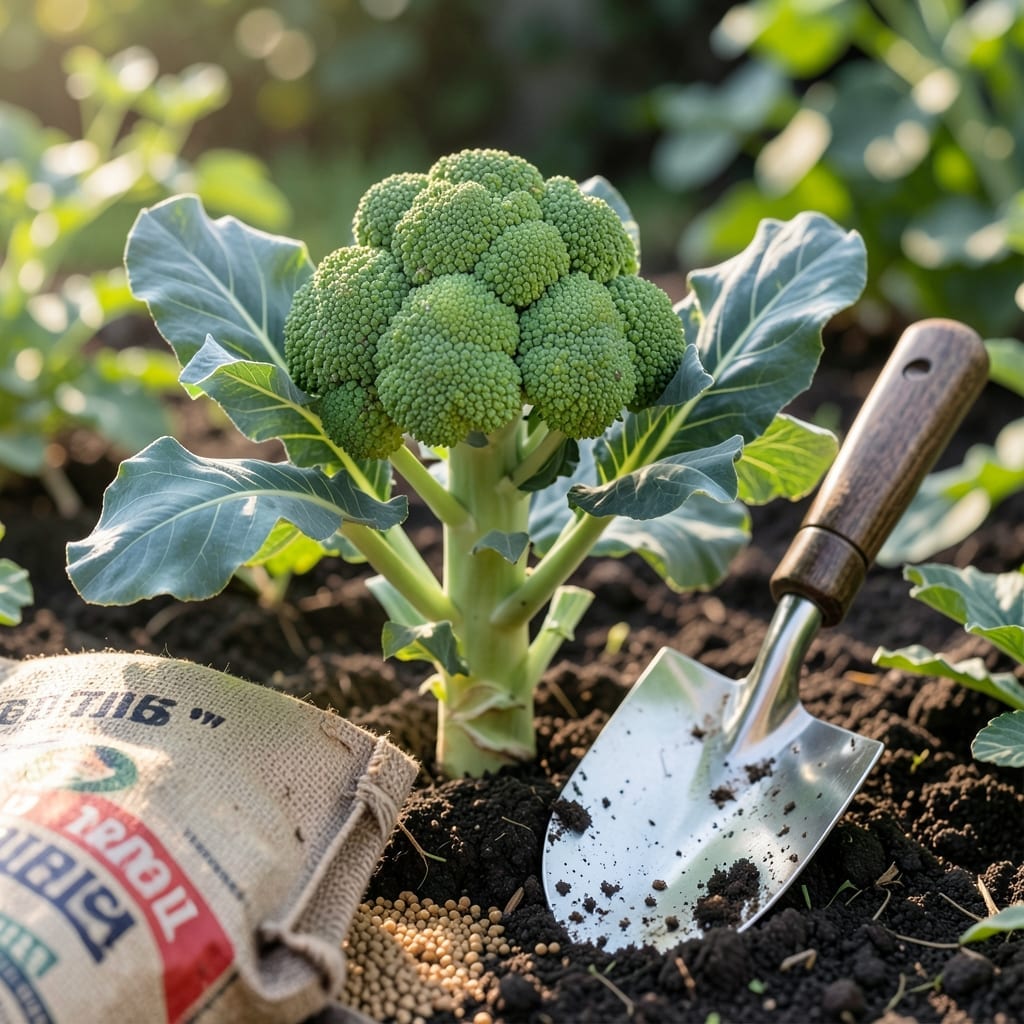
Timing your broccoli fertilization correctly can mean the difference between a bountiful harvest and a disappointing yield. The 🥦 Broccoli plant thrives when it receives nutrients at just the right moments.
I’ve seen firsthand how strategic feeding transforms struggling plants into vigorous ones. Whether you’re new to gardening or have years of experience, knowing when to act is the key to success.
From the early days after planting to the critical head formation stage, each phase has unique demands. You’ll learn to recognize the signs and respond with precision.
Discover how to align your fertilization schedule with Broccoli’s natural growth cycles for more efficient results this season.
Getting the timing right with broccoli fertilization can make all the difference in your harvest. I always start with a soil test to check existing nutrient levels before planting.
The first feeding should happen at planting time, using a balanced 10-10-10 fertilizer. This gives your young plants the boost they need to establish strong roots.
| Growth Stage | Fertilizer Action | Key Nutrients | Frequency |
|---|---|---|---|
| Seedling | Light feed | Nitrogen | Every 2 weeks |
| Leaf Development | Moderate feed | Balanced NPK | Every 3 weeks |
| Head Formation | Heavy feed | Phosphorus | Every 2 weeks |
| Harvest Approach | Light feed | Potassium | Every 4 weeks |
During the leaf development stage, I switch to a higher nitrogen formula to promote lush foliage. This is when your broccoli plants are building their energy factories.
The most critical time is head formation. Here, I use a phosphorus-rich fertilizer to support those dense, flavorful florets we all love.
As harvest approaches, I ease up on feeding. Too much nitrogen at this stage can lead to leafy growth at the expense of the head.
For organic gardeners, fish emulsion works wonders during early growth, while bone meal is perfect for the head formation phase.
I’ve found that evening applications can sometimes lead to moisture sitting too long on leaves, so I always fertilize in the early morning.
Consistency is key – mark your calendar for every 3-4 weeks during active growth periods to maintain steady nutrient availability 🌱
Knowing when your broccoli is crying out for nutrients can save your harvest. I watch for yellowing leaves on lower stems first, which often signals a nitrogen deficiency.
Another red flag is stunted growth or purple-tinted leaves, indicating a lack of phosphorus. These visual cues help me time my fertilizer applications perfectly.
⚠️ Warning: Over-fertilizing broccoli can lead to burnt roots and excessive leaf growth at the expense of heads. Always follow package instructions and never exceed recommended rates.
I’ve learned the hard way that using the wrong NPK ratio can do more harm than good. A high-nitrogen fertilizer late in the season produces leafy plants with small heads.
Another common mistake is fertilizing dry soil. I always water my broccoli plants before and after applying fertilizer to prevent root damage and ensure even distribution.
Timing matters too – never fertilize when temperatures exceed 85°F as this can stress the plants. Early morning applications are ideal for optimal absorption.
For organic gardeners, remember that natural fertilizers like compost tea release nutrients more slowly. I apply them more frequently but in smaller amounts to maintain steady nutrition.
Regular soil moisture checks help me determine if my plants need feeding. Dry, crumbly soil often means it’s time for a nutrient boost 🌱