
Beautiful Plants For Your Interior
Beautiful Plants For Your Interior
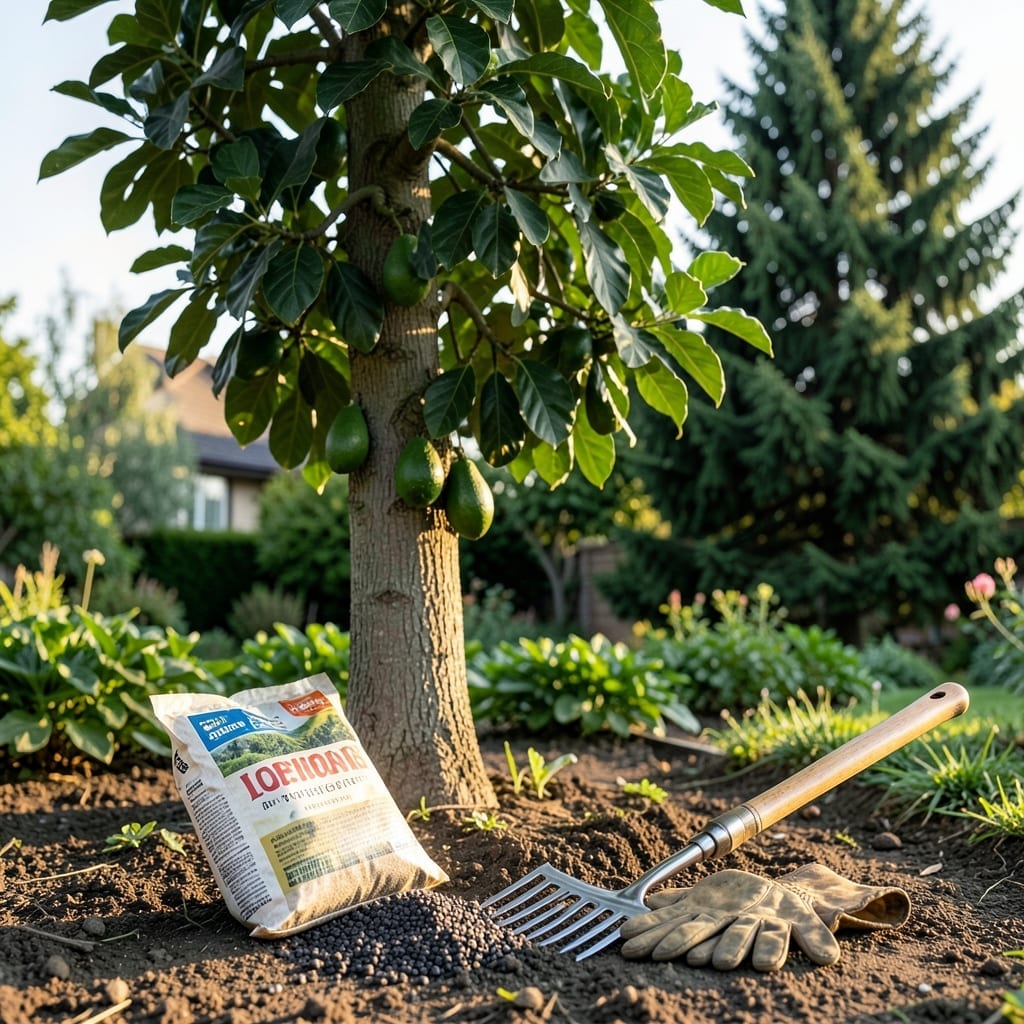
Avocado trees thrive in California’s warm climate, but knowing when to nourish them makes all the difference. Miss the right window, and you might end up with lackluster growth or fewer fruits on your 🥑 Avocado Tree.
Timing your fertilization to match the tree’s natural cycles is the key to vibrant health and bountiful harvests. In USDA Zone 10a, the seasons guide your approach, and understanding them can transform your results.
From the flush of spring to the slower pace of fall, each period demands a different strategy. I’ll walk you through the ideal schedule so you never have to guess again.
Discover how small adjustments in timing can lead to bigger, tastier avocados and a thriving tree that stands out in your California garden.
In California, avocado trees benefit from a seasonal fertilization schedule that aligns with their growth cycles. I’ve found that timing is everything—feed too early or late, and you might miss the window for optimal fruit production and healthy foliage. ☀️
The Golden State’s mild winters and long growing season make it ideal for avocados, but each region has subtle differences. Whether you’re in coastal San Diego or the inland valleys, adjusting your approach slightly can make a big difference. 🌿
| Season | Fertilization Action | Key Nutrients | Frequency |
|---|---|---|---|
| Spring | Full Feed | Nitrogen, Potassium | Every 6-8 weeks |
| Summer | Light Feed | Balanced NPK | Every 8-10 weeks |
| Fall | Moderate Feed | Phosphorus, Zinc | Once per season |
| Winter | Minimal or Skip | None | As needed |
In spring, I always prioritize nitrogen-rich fertilizers to fuel new growth and flowering. This is when your avocado tree is most metabolically active, so a 6-6-6 or 8-3-9 NPK ratio works beautifully. Apply in early March to kickstart the season. 🌱
Summer fertilization should be lighter but consistent. I use a balanced slow-release fertilizer every 8-10 weeks to maintain steady growth without overwhelming the tree. Remember, California’s heat can stress trees, so water deeply after feeding. 💧
As fall approaches, shift to a fertilizer higher in phosphorus and zinc. This helps fruit development and prepares the tree for cooler months. A single application in early September is usually sufficient for most California regions. 🌳
During winter, avocado trees enter a semi-dormant phase. I skip fertilization entirely unless my tree shows deficiency signs like yellowing leaves. Even then, I use a very light dose and only if the soil isn’t waterlogged. ⏰
For young avocado trees under 3 years old, I reduce the amount by half. Their root systems are still developing, and over-fertilizing can burn tender roots. Always water thoroughly before and after applying fertilizer to prevent root shock. ✂️
In coastal areas like Santa Barbara, the moderate climate allows for a slightly extended fertilization window. But in inland areas with hotter summers, I pull back on nitrogen to avoid excessive leafy growth at the expense of fruit. 🌡️
Finally, always test your soil before fertilizing. California’s diverse soil types can vary greatly—what works in San Diego might not suit Sacramento. I use a simple soil test kit to check pH and nutrient levels, aiming for a slightly acidic pH of 6.0-6.5. 📋
Choosing the right fertilizer for your avocado tree in California can make or break its growth. I’ve tested various types and found that slow-release options work best in our warm climate. They provide steady nutrition without the risk of burning roots. ☀️
The NPK ratio matters too. For most avocado trees, a 6-6-6 or 8-3-9 blend is ideal, but young trees benefit from lower concentrations. Always match the fertilizer to your tree’s growth stage and soil conditions. 🌿
| Type | Best For | NPK Ratio | Application Tips |
|---|---|---|---|
| Organic Compost | Young Trees | 2-1-1 | Mix into soil at planting |
| Slow-Release Granules | Mature Trees | 8-3-9 | Apply every 3 months |
| Liquid Fertilizer | Quick Boost | 6-6-6 | Use monthly in growing season |
| Citrus-Specific Mix | All Trees | 7-3-3 | Rich in micronutrients like zinc |
For mature avocado trees, I recommend slow-release granules with an 8-3-9 NPK ratio. These provide a balanced diet that supports both foliage growth and fruit production. Apply in early spring and again in early fall. 🌱
Young trees need gentler care. I use organic compost or a milder fertilizer with a 2-1-1 ratio. This prevents root burn while encouraging healthy development. Always water thoroughly after application to help nutrients reach the roots. 💧
In coastal areas with sandy soil, I add micronutrient supplements, especially zinc and iron. These elements are often lacking in California soils and are critical for avocado health. A citrus-specific mix can be a great all-in-one solution. 🌳
Finally, avoid high-nitrogen fertilizers in late summer. This can lead to excessive leafy growth at the expense of fruit. Stick to the schedule, and your avocado tree will reward you with lush foliage and plentiful harvests. ✂️