
Beautiful Plants For Your Interior
Beautiful Plants For Your Interior
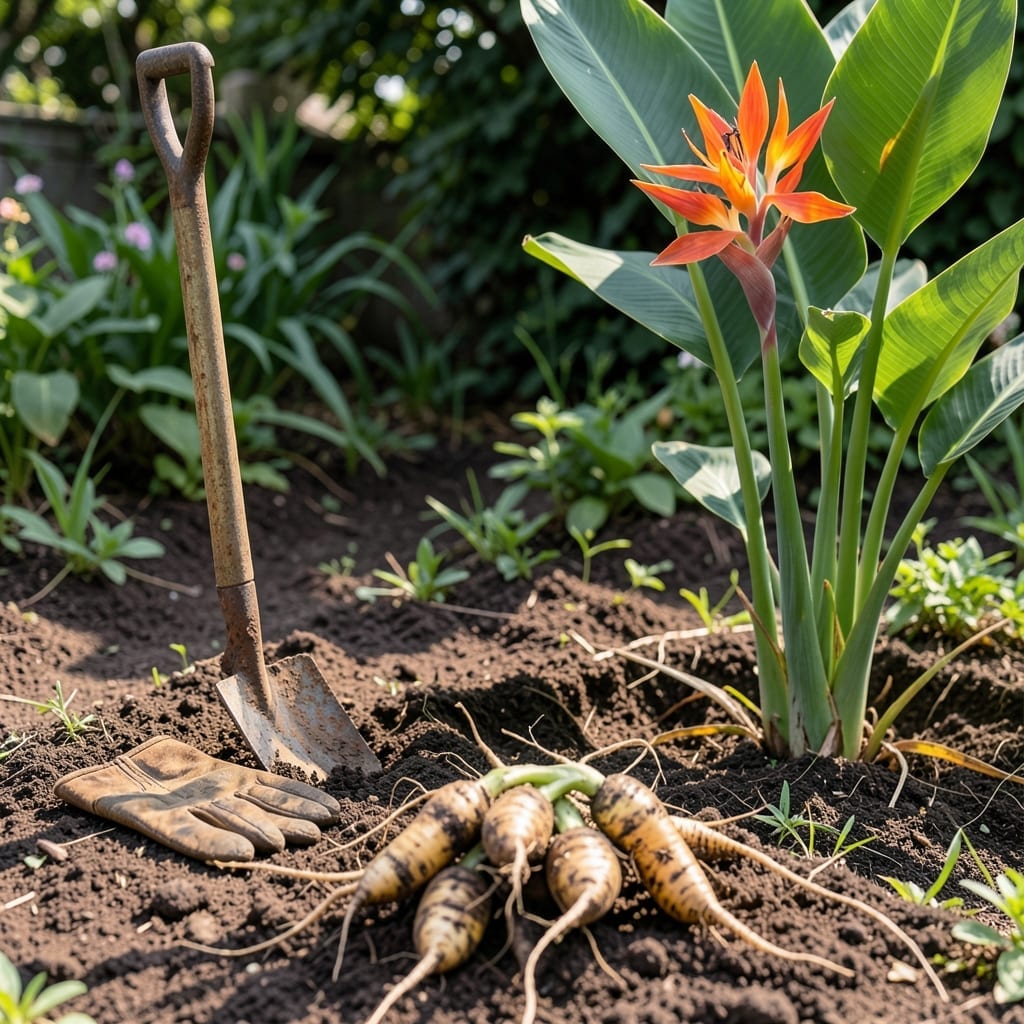
Timing is everything when it comes to your 🌺 Canna bulbs—do it too early or too late, and you might lose next season’s vibrant blooms. Getting this right means the difference between thriving plants and a disappointing garden.
I’ve learned the hard way that waiting for the perfect moment is non-negotiable. The cues are subtle, but once you know what to look for, you’ll never second-guess again.
Let me walk you through the exact signs and timing to ensure your Canna bulbs stay healthy and ready for a stunning comeback next spring.
Timing your canna bulb harvest is critical for next season’s success. In USDA zones 7-10, you can often leave bulbs in the ground year-round, but colder climates demand action before the first hard frost.
I always watch for the first light frost or when foliage starts to yellow and wilt. That’s nature’s signal that it’s time to dig. Waiting too long risks frost damage to the bulbs, while digging too early can cut short their energy storage for spring.
| USDA Zone | When to Dig | Key Sign |
|---|---|---|
| Zones 1-6 | After first frost | Foliage blackened |
| Zones 7-8 | Late fall | Leaves yellow |
| Zones 9-10 | Optional | Dormant period |
In colder zones, I aim to dig 1-2 weeks after the first light frost but before the ground freezes. This gives the bulbs time to store energy while avoiding cold damage. The soil should still be workable for easy extraction.
For warmer zones, the timing is more flexible. I look for foliage dieback as the primary indicator. If the leaves are still green and healthy, the bulbs are still storing energy and shouldn’t be disturbed yet.
Soil temperature is another key factor. When it drops below 50°F, it’s a clear sign to start digging in most regions. I use a simple soil thermometer to check this—it’s a small investment that saves a lot of guesswork.
In my experience, morning digging works best. The soil is often damp but not soggy, making it easier to loosen the bulbs without breaking them. Plus, the cooler temperatures reduce stress on the plants during the process.
If you’re in a mild climate but still want to dig for storage or division, wait until the plants are fully dormant. This usually happens 6-8 weeks after the first frost or when nighttime temps consistently drop below 40°F.
Remember, the goal is to preserve the bulbs’ energy for next season. Digging at the right time ensures they enter dormancy with maximum stored nutrients, leading to stronger growth when you replant in spring.
I’ve found that marking my calendar for mid-October in Zone 6 helps me stay ahead of the game. That’s when I start monitoring the weather forecast and foliage closely for the perfect digging window 🌿
Knowing the visual cues for digging canna bulbs saves you from guessing. I look for yellowing leaves first—this is the plant’s way of saying it’s shutting down for the season.
Another clear sign is when stems soften and begin to collapse. This means the plant is no longer actively growing and has started its dormancy process.
In colder climates, the first frost is your biggest clue. Once the tops are hit by frost, the bulbs know it’s time to rest and won’t produce new growth.
I avoid digging if the foliage is still green or stems are firm. These are signs the plant is still storing energy for next year’s growth, and disturbing it now could weaken the bulbs.
For mild climates, watch for the natural dieback cycle. Even without frost, the plant will signal when it’s ready by dropping leaves and slowing growth.
Pro tip: Keep a garden journal to track when your cannas show these signs each year. This helps you predict the timing more accurately in future seasons 🌿