
Beautiful Plants For Your Interior
Beautiful Plants For Your Interior
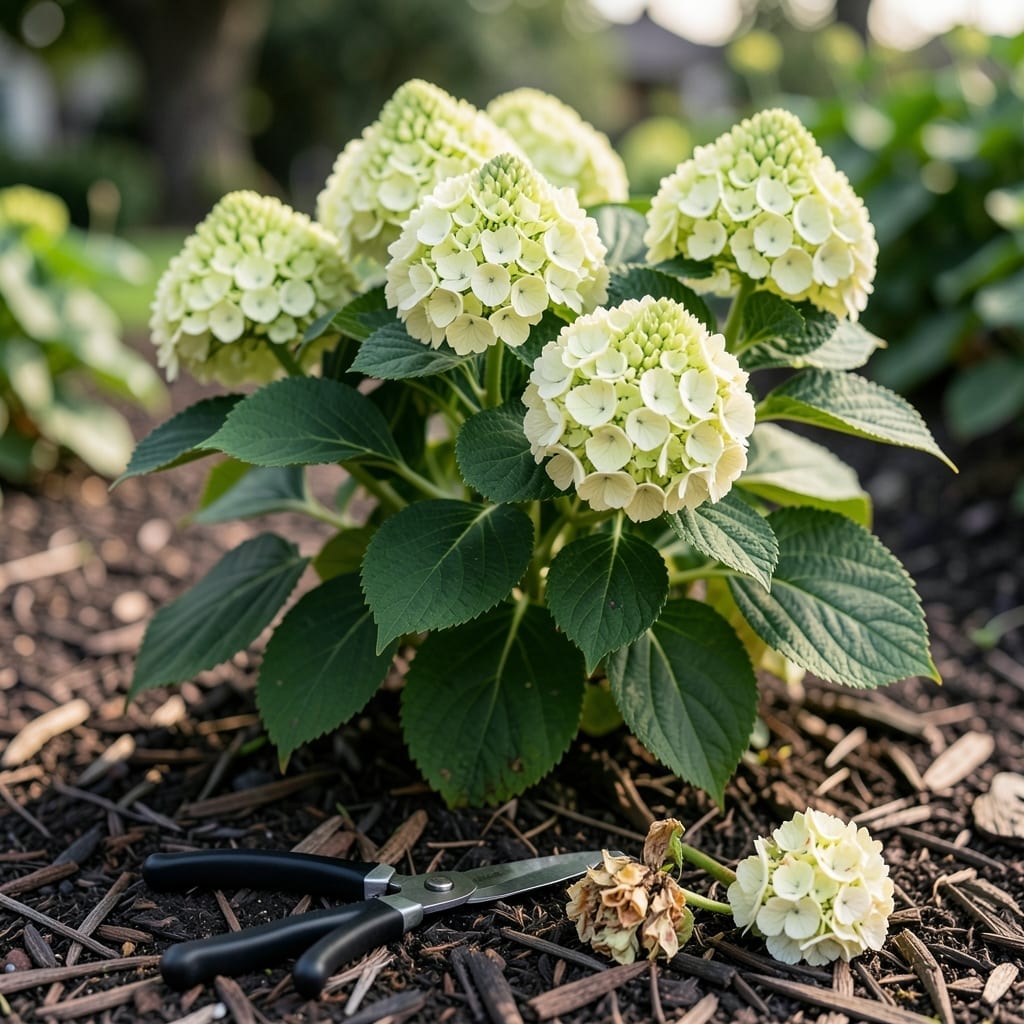
Deadheading your 🌸 Limelight Hydrangea at the right time can mean the difference between a lackluster display and a stunning burst of late-summer blooms. This simple practice encourages new growth and more flowers, but timing is everything.
If you’ve ever wondered why your shrub isn’t producing as many blooms as it should, the answer might be in your pruning schedule. The Limelight Hydrangea responds beautifully to proper deadheading, rewarding you with vibrant color when done correctly.
I’ll show you exactly when to make those cuts to maximize blooms without harming your plant. The window is narrower than you might think, and missing it could cost you next year’s flowers.
Discover how this one maintenance task can transform your garden’s appearance and keep your hydrangeas thriving season after season.
The Limelight hydrangea thrives with proper deadheading, but timing is crucial. I’ve found the late summer window works best, just as the first blooms begin to fade. This timing allows the plant to redirect energy toward new growth.
You’ll want to act before early fall arrives, as cutting too late can remove next year’s buds. The sweet spot is typically August through early September, depending on your climate zone.
| Stage | Action | Timing |
|---|---|---|
| Early Summer | Monitor blooms | June-July |
| Peak Bloom | Wait for fade | July-August |
| Late Summer | Deadhead spent blooms | August-September |
The spent blooms are easy to spot—they’ll turn from vibrant green to brown or papery. I recommend checking your shrub weekly during this period to catch them at the right stage.
Deadheading too early can remove potential new blooms, while waiting too long risks cutting into next year’s flower buds. The Limelight variety blooms on new wood, which gives you more flexibility than old-wood bloomers.
In my experience, morning deadheading works best. The cooler temperatures reduce stress on the plant, and I can clearly see which blooms need attention in the soft light.
Remember that climate affects timing. Gardeners in zone 3-5 should aim for the earlier part of the window, while those in zone 6-8 can wait a bit longer. Always check your local frost dates as a guide.
The process itself is simple: I use sharp bypass pruners to make clean cuts just above a set of healthy leaves or buds. This encourages the plant to branch out and produce more blooms.
After deadheading, I always give my Limelight hydrangeas a deep watering to help them recover. This extra care ensures they’ll have the energy to produce those gorgeous late-summer blooms we all love.
With this timing, you’ll see a noticeable difference in your shrub’s appearance and flower production. The key is consistency—make deadheading part of your regular garden maintenance routine.
Deadheading your Limelight hydrangea properly ensures healthy growth and abundant blooms. I always start by selecting the right tools—sharp bypass pruners are my go-to for clean cuts that won’t crush stems.
First, locate the spent blooms—they’ll look brown or papery. Follow the stem down to the first set of healthy leaves or buds, then make your cut just above them. This encourages new growth where you want it.
I prefer to deadhead in the early morning when the plant is hydrated and the air is cool. This minimizes stress and gives the shrub time to recover during the day.
For Limelight hydrangeas, avoid cutting back too far—these bloom on new wood, so you only need to remove the spent flowers. Never cut into the woody stems unless you’re doing major pruning.
After deadheading, I like to mulch around the base to retain moisture. This extra care helps the plant focus its energy on producing new blooms rather than recovering from stress.
Consistency is key. By making deadheading part of your regular garden routine, you’ll enjoy a longer bloom season and a healthier, more vibrant shrub year after year. ✂️