
Beautiful Plants For Your Interior
Beautiful Plants For Your Interior
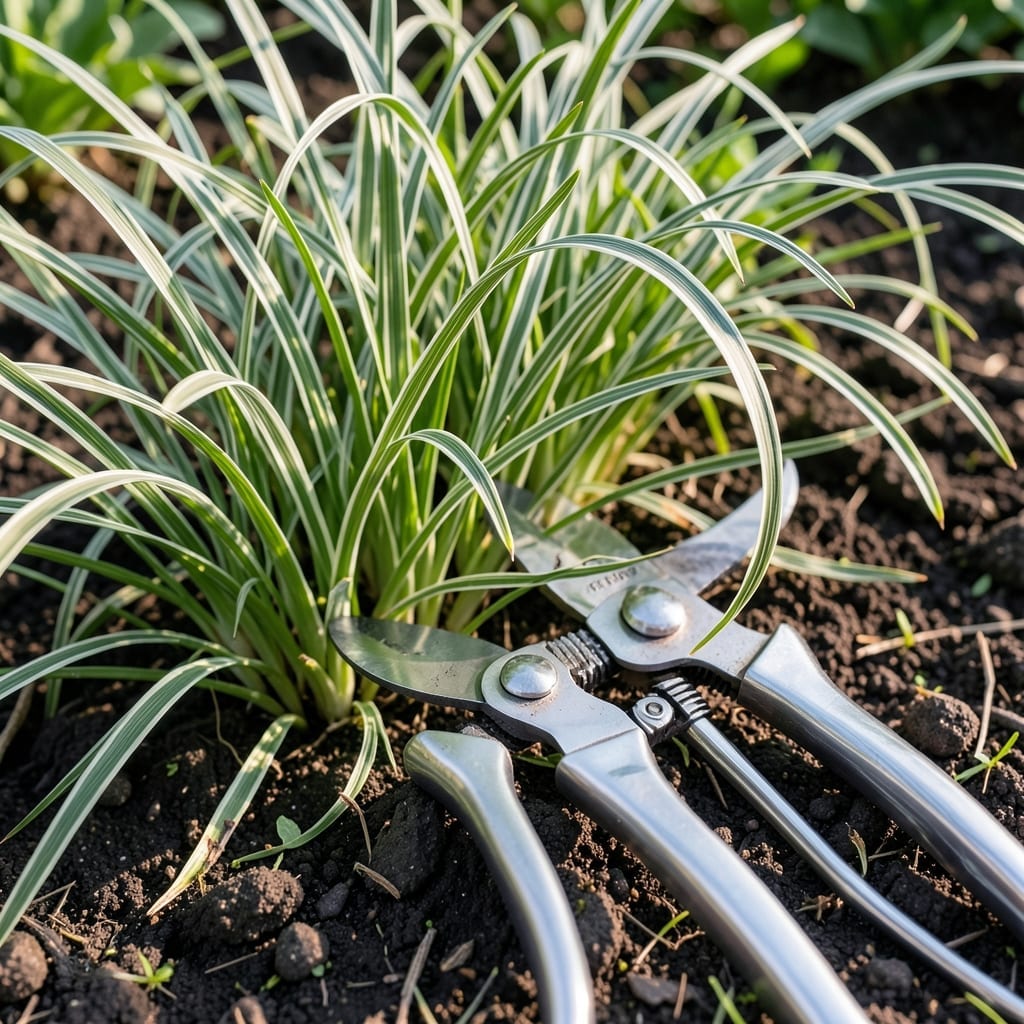
Timing your Monkey Grass 🌿 pruning correctly can mean the difference between a lush, vibrant ground cover and a struggling, patchy mess. This hardy plant thrives with seasonal care.
Cutting at the wrong time can set back its growth for months. Whether you’re a seasoned gardener or just starting out, knowing when to reach for those shears is the key.
Let me walk you through the best times to trim Monkey Grass and how to do it right for healthy, beautiful results all year long.
I’ve found that late winter or early spring is the sweet spot for pruning Monkey Grass. This timing allows the plant to recover quickly as the growing season begins.
In most regions, February to March works best, but if you’re in a warmer climate, you might start as early as January. The key is to trim before new growth emerges.
| Season | Best Time to Prune | Notes |
|---|---|---|
| Winter | Late February | Before new growth starts |
| Spring | Early March | Ideal for most climates |
| Summer | Avoid pruning | Heat stress can damage plants |
| Fall | September-October | Light trimming only |
For gardeners in USDA zones 7-9, you can prune a bit later, even into early April, since frost isn’t a concern. This gives you flexibility if winter lingers.
If you miss the spring window, a light trim in early fall can work, but avoid cutting too late. Pruning after October may leave your grass vulnerable to winter damage.
I always check for brown or ragged edges on the leaves. If your Monkey Grass looks tired or overgrown, it’s likely time for a trim, regardless of the season.
In warmer areas like Texas or Florida, you might need to prune twice a year—once in early spring and again in late summer to keep it tidy.
For cooler climates, stick to one pruning session in late winter. This prevents stressing the plant during its dormant period.
Remember, Monkey Grass is forgiving. If you prune at the wrong time, it will usually bounce back. But for the healthiest growth, timing is everything.
I’ve seen the best results when pruning just as the soil begins to warm. This signals the plant to focus its energy on fresh, new blades. ✂️
Pruning Monkey Grass properly ensures healthy regrowth. I always start by choosing the right tools: sharp bypass pruners or hedge shears for clean cuts.
Before cutting, I check the plant height. For most varieties, trimming back to 2-3 inches above the ground works best. This encourages thick, lush growth.
Avoid cutting too short, as this can weaken the plant. I’ve learned that leaving some green foliage helps the Monkey Grass recover faster.
For large patches, I use a string trimmer with a straight blade attachment. This makes the job quicker while maintaining a uniform height.
Never prune during extreme heat or drought conditions. The plant is already stressed, and cutting it back could cause more harm than good.
After pruning, I like to apply a light fertilizer to give the grass a nutrient boost. This helps it bounce back stronger and greener.
Remember, consistency is key. Regular light trims are better than one drastic cut. This keeps your Monkey Grass looking neat year-round. ✂️