
Beautiful Plants For Your Interior
Beautiful Plants For Your Interior
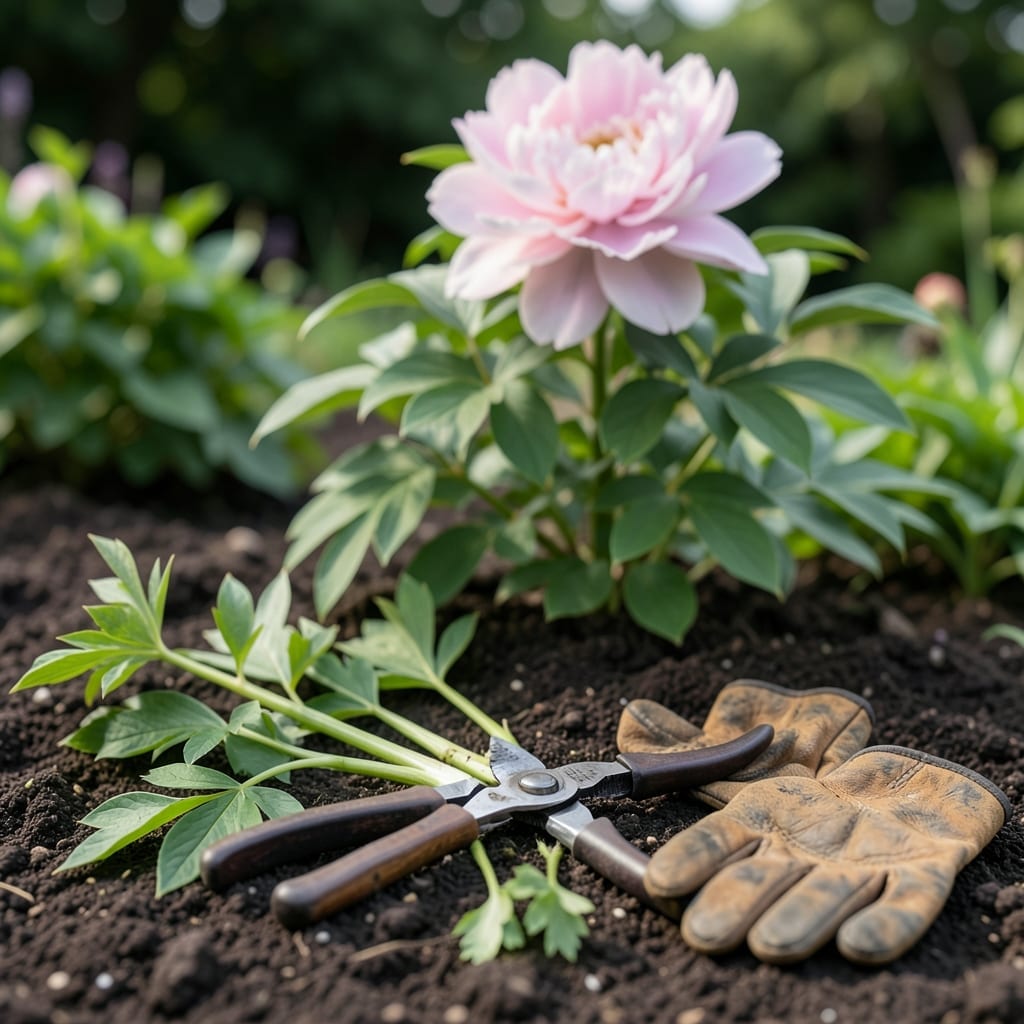
Ever stare at your 🌸 Peony wondering when it’s safe to trim those fading stems? The timing makes all the difference for next year’s blooms.
Cutting back too soon can rob your plants of the energy they need. But wait too long, and you risk disease or winter damage in zones 3-8.
Discover the sweet spot for pruning that keeps your peonies healthy and ready to burst with color next spring.
Timing your peony pruning right can mean the difference between sparse blooms and a vibrant display next spring. I’ve learned that cutting back too early can weaken the plant by removing its energy-storing foliage.
The best window is in fall, after the first frost or when the foliage turns brown and crisp. This signals the plant is entering dormancy and has stored enough nutrients for next year.
| Peony Type | Best Pruning Time | Key Signs |
|---|---|---|
| Herbaceous Peonies | Fall after frost | Foliage turns brown |
| Tree Peonies | Late fall or early spring | Dormant season |
| Intersectional Peonies | Fall after frost | Stems dry and woody |
For herbaceous peonies, which are the most common type, I wait until September or October when the leaves start to yellow and die back naturally. This is nature’s way of telling me the plant is ready.
Tree peonies are a bit different. Since they’re woody, I prune them in late fall or even early spring, removing only dead or damaged wood. Light pruning helps maintain their shape without stressing the plant.
If you live in a warmer climate like USDA zones 7-8, you might need to wait until November for the foliage to die back completely. Cooler zones like 3-5 often see this happen by October. ☀️
Watch for these ready signs: foliage that’s brown and crispy, stems that feel dry, and no new growth. If the leaves are still green, your peonies aren’t ready for pruning yet.
I always check the weather forecast too. A light frost can trigger dormancy, but a hard freeze might damage stems before I get a chance to cut them back. Aim for a dry day to reduce disease risk.
Another tip: avoid pruning in late summer. Cutting back while the plant is still actively growing can reduce its ability to store energy, leading to fewer blooms next year.
Finally, remember that intersectional peonies (Itoh hybrids) follow similar timing to herbaceous types. They benefit from the same fall pruning to keep them healthy and productive. ✂️
Pruning peonies the right way ensures they return stronger next year. I always start by inspecting the plant for diseased or damaged stems that need immediate removal, regardless of season.
For herbaceous peonies, I use clean, sharp bypass pruners to cut stems down to 3-4 inches above the ground. This height helps protect the crown from winter damage while removing old growth.
With tree peonies, I’m more conservative. I only remove dead wood or shape the plant lightly in late fall. These woody stems bloom on old growth, so aggressive pruning can cost you next year’s flowers.
Always sterilize your tools between cuts if you notice any disease signs. I use a 10% bleach solution or rubbing alcohol to prevent spreading pathogens between plants. ✂️
After cutting, I clean up thoroughly. Leaving old foliage around the base can invite fungal diseases like botrytis. I bag and remove all clippings from my garden area.
For intersectional peonies, I follow the same approach as herbaceous types. Their care is similar, and they benefit from the same fall cleanup to prevent overwintering diseases.