
Beautiful Plants For Your Interior
Beautiful Plants For Your Interior
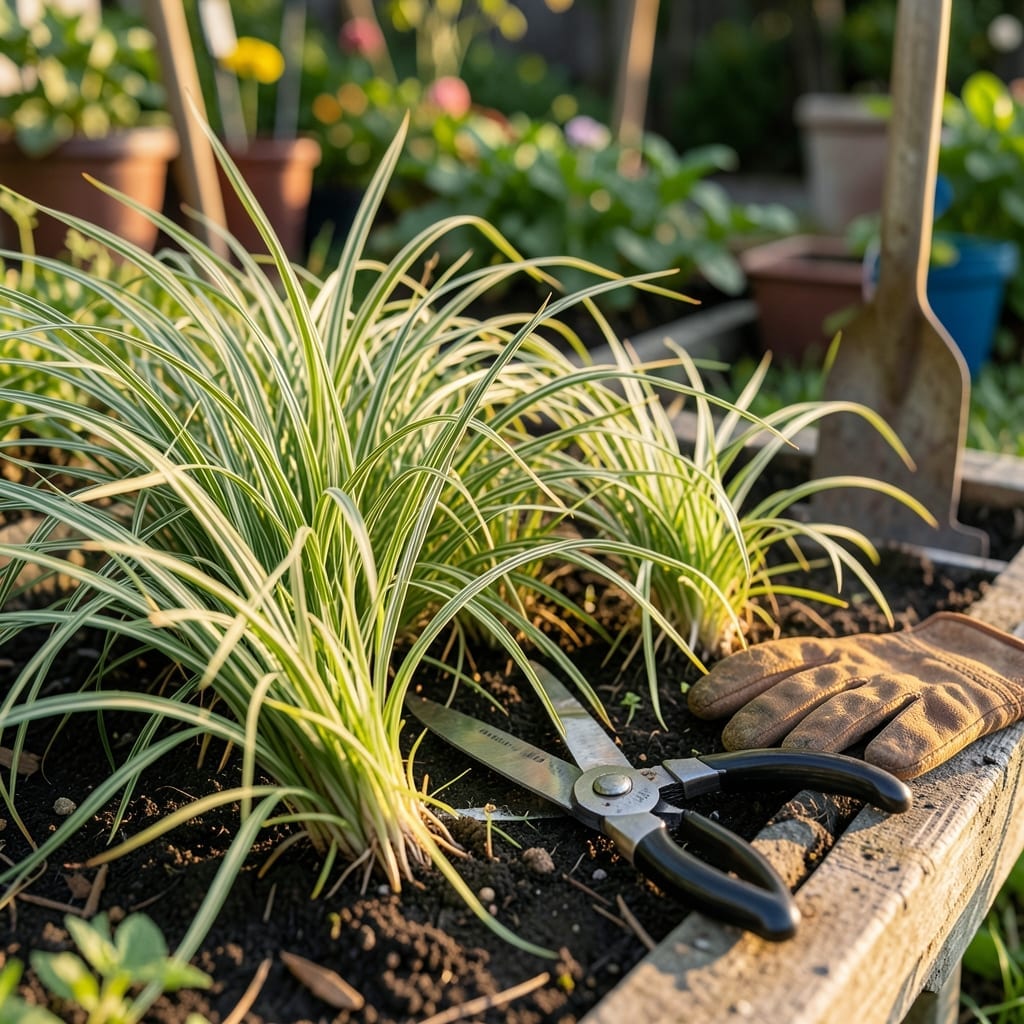
That perfectly manicured look in your garden starts with knowing when to trim back your 🌾 Monkey Grass. Too early or too late, and you risk stunting its growth or leaving it vulnerable to disease.
I’ve seen many gardeners make the mistake of cutting it back at the wrong time, only to regret it later. The key is understanding its natural growth cycle and your local climate.
Let me show you the best seasonal window to prune, so your Monkey Grass stays healthy and vibrant all year long.
The ideal time to cut back Monkey Grass is in late winter or early spring. This timing allows the plant to recover quickly while removing old, tattered foliage before new growth emerges.
For most gardeners in USDA zones 5-9, this means pruning anytime from February to early March. The plant is still dormant, so trimming now won’t stress it as summer approaches.
| Pruning Window | USDA Zone | Key Benefit |
|---|---|---|
| Late Winter | 5-9 | Prevents disease in old foliage |
| Early Spring | 5-9 | Encourages new growth |
| Fall (if needed) | 7-9 | Removes summer damage |
In warmer climates like zones 8-9, you can prune as early as January. The plant stays semi-evergreen, so cutting back then keeps it looking neat and ready for spring.
For colder regions like zone 5, wait until March to avoid exposing the roots to harsh frost. The old foliage actually provides some winter protection for the crown.
I always check for new green shoots at the base. If you see them emerging, it’s a sign that the plant is breaking dormancy and it’s safe to trim.
If your Monkey Grass looks ratty after winter, don’t hesitate. A good trim now will lead to fuller, healthier growth in just a few weeks.
Avoid pruning in late fall. Cutting back then removes the plant’s natural insulation, which can lead to winter dieback in freezing temperatures.
In mild winter areas, a light trim in September can tidy up the garden. But save the major cutback for late winter to avoid stressing the plant.
Pro tip: If you miss the late winter window, you can still prune in early spring—just do it before the new growth gets too tall.
Remember, consistency is key. Pruning at the same time each year trains your Monkey Grass to grow thicker and more vibrant. ✂️
Pruning Monkey Grass is simple when you follow the right steps. I always start by gathering the essential tools: sharp shears and gardening gloves to protect my hands from the blades.
The best cutting height is 2-3 inches above the ground. This leaves enough foliage to protect the crown while removing dead or damaged blades that can harbor pests.
I always remove dead or brown blades first, then shape the plant. This prevents spreading any potential diseases from old foliage to healthy parts of the plant.
After cutting, give your Monkey Grass a deep watering to help it recover. This is especially important if you’re pruning in late winter when the soil may be dry.
A light application of 10-10-10 fertilizer after pruning gives your plants a nutrient boost. I prefer organic options, but any balanced fertilizer will encourage strong new growth.
Never cut back more than one-third of the plant at once. This can shock the Monkey Grass and lead to weak, sparse growth instead of the lush look you want.
Finally, clean up all the trimmings. Leaving old foliage around the base can invite pests and diseases that might harm your freshly pruned plants. ✂️