
Beautiful Plants For Your Interior
Beautiful Plants For Your Interior
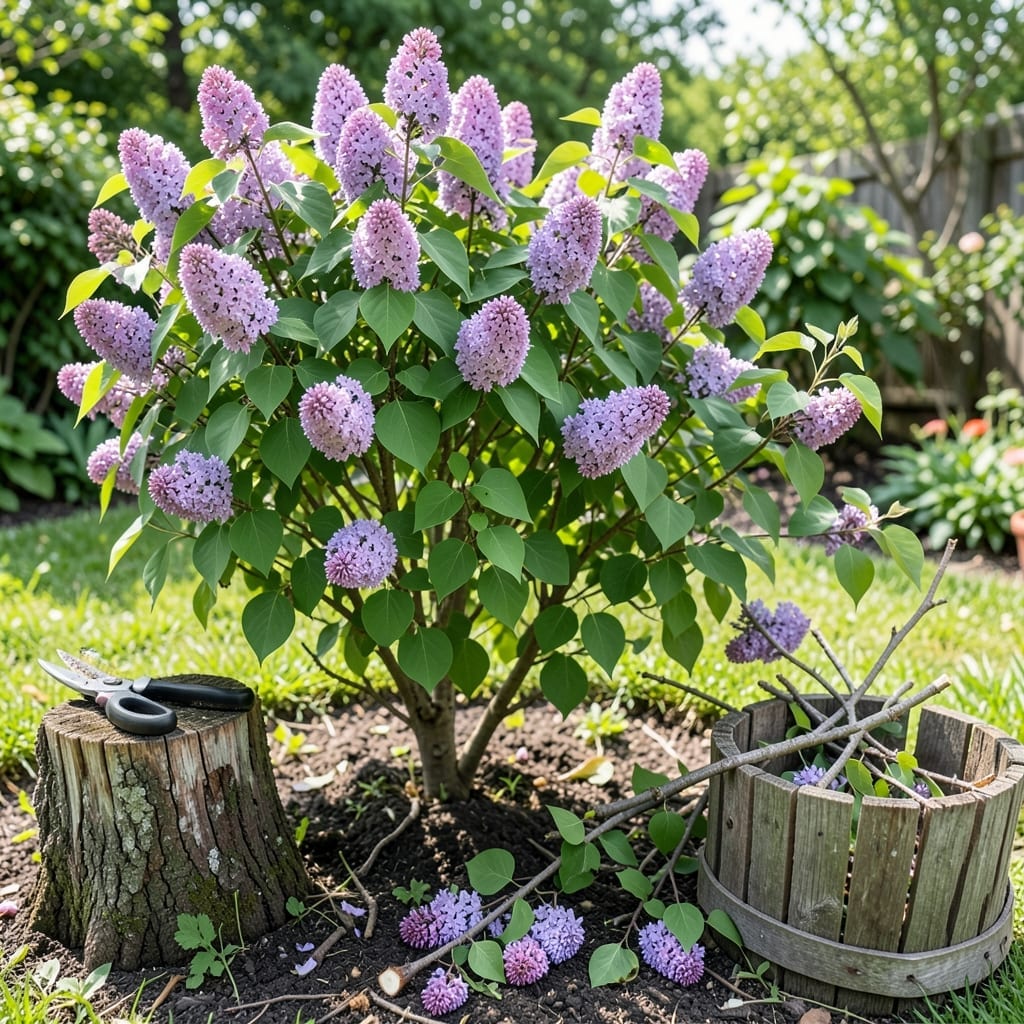
Timing your lilac pruning wrong can cost you a season of blooms. The 🌸 Lilac thrives when trimmed at just the right moment, rewarding you with vibrant, abundant flowers.
I’ve seen too many gardeners accidentally cut at the worst time, only to miss out on next year’s display. The good news? There’s a simple window that guarantees better results.
Let me show you exactly when to pick up those shears and how to do it for bigger, healthier blooms every spring.
Getting the timing right with lilacs is everything. These shrubs set their flower buds in summer for the next year, so pruning at the wrong time can cost you those beautiful blooms.
I always tell gardeners that the best window is right after the flowers fade. This gives your plant time to grow new wood and set buds for next spring’s display. ✂️
| Pruning Window | Action |
|---|---|
| Immediately After Flowering | Remove spent blooms and shape the shrub |
| Late Summer | Light shaping only; avoid heavy cuts |
| Avoid: Late Fall/Winter | Pruning now removes next year’s buds |
The ideal time is within 1-2 weeks after the last blooms fade. This is when the plant is still in active growth but hasn’t yet started setting next year’s flower buds.
If you miss this window, don’t panic. You can do light pruning in late summer, but avoid removing more than 1/3 of the plant to prevent stressing it.
Never prune in late fall or winter. Lilacs are already forming next year’s buds by then, and cutting them back will mean no flowers next spring.
Look for signs your lilac needs pruning: dead or diseased branches, overcrowded centers, or stems that are too long and leggy. These are all cues it’s time to pick up those shears.
For older, overgrown lilacs, you can do a rejuvenation pruning by cutting back 1/3 of the oldest stems each year. This keeps the plant healthy without sacrificing all the blooms.
Remember, lilacs bloom on old wood, so any cutting you do after mid-summer risks removing potential flowers. Stick to the post-bloom window for the best results. 🌸
If your lilac is young, focus on shaping it rather than heavy pruning. This helps establish a strong structure for future growth and abundant flowering.
Pruning lilacs doesn’t have to be intimidating. With the right tools and proper technique, you can shape your shrub while protecting next year’s flowers. I always start with clean, sharp bypass pruners for precise cuts.
First, remove spent flower clusters just above a pair of leaves. This encourages new growth while preventing seed formation, which can sap the plant’s energy. ✂️
When thinning, focus on the oldest stems first. These are typically the thickest and woodiest. Removing them makes room for new growth, which will produce more blooms in future seasons.
Always make your cuts at a 45-degree angle just above a leaf node. This helps the plant heal faster and reduces the risk of disease entering the wound.
If your lilac is heavily overgrown, don’t try to fix it all at once. Spread the pruning over 2-3 years to avoid shocking the plant. This gradual approach ensures continuous blooms while restoring health.
After pruning, give your lilac a light feeding with a balanced fertilizer to support new growth. Water deeply to help the plant recover and prepare for next year’s flowering cycle. 🌸