
Beautiful Plants For Your Interior
Beautiful Plants For Your Interior
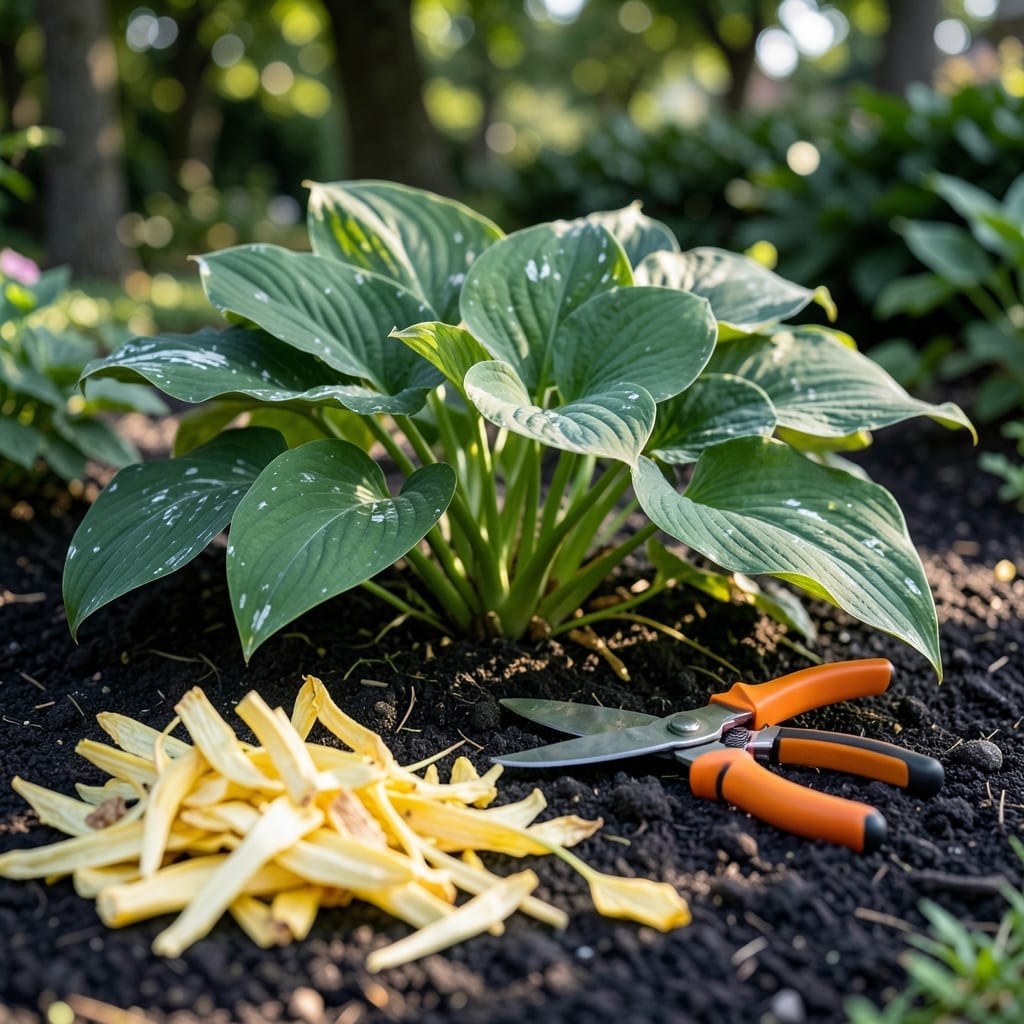
I used to struggle with knowing when to prune my 🌿 Hostas until I discovered the perfect timing. It’s not just about cutting back—it’s about doing it at the right moment for the healthiest results.
Cutting at the wrong time can leave your plants vulnerable to disease or stunted growth. But when you get the timing right, you set the stage for lush, vibrant foliage next season.
Discover the best approach for zones 3-9 and why timing makes all the difference for these shade-loving perennials.
Timing your hosta pruning correctly can make or break next year’s growth. These hardy perennials in zones 3-9 have specific needs depending on your climate and the season.
I’ve found that late fall and early spring are the two best windows. Each has pros and cons, but the key is avoiding active growth periods to prevent stressing the plant.
In cold climates, I recommend late fall pruning after the first hard frost. This removes dead foliage that could harbor pests or diseases over winter. It also tidies up your garden beds before snow arrives.
For warmer regions, early spring is often better. Cutting back just as new shoots emerge helps you avoid winter damage to exposed crowns. Plus, the old foliage provides some insulation during mild winters.
If you prune in late fall, wait until the foliage turns yellow or brown. This signals the plant has entered dormancy and won’t waste energy trying to regrow. I use clean bypass pruners for a sharp, clean cut.
In early spring, prune before the new growth reaches 2-3 inches tall. This timing prevents damage to emerging shoots while still allowing you to remove last year’s dead leaves easily.
Some gardeners prefer spring pruning because it’s easier to see and avoid new growth. Others like fall cleanup to reduce spring chores. Either approach works if done at the right time.
Remember that hosta crowns are sensitive. Never cut into the crown itself—only remove the dead foliage at ground level. This protects the growing points for next season’s foliage.
For the healthiest plants, I combine both approaches: a light cleanup in late fall to remove the worst debris, followed by a more thorough pruning in early spring before new growth appears. ✂️
Pruning hostas properly keeps them healthy and looking their best. I always start with the right tools: sharp bypass pruners and clean gloves to prevent spreading disease.
First, I identify the dead or dying foliage—it’ll be yellow, brown, or mushy. This is what needs removal. Never cut into the crown, as this is where new growth emerges.
💡 Pro Pruning Steps:
I cut each leaf stem at soil level using a clean, angled cut. This helps water roll off and reduces the risk of rot or disease. If the foliage is still green, I leave it—it’s still photosynthesizing.
For large hosta clumps, I work in sections to avoid accidentally stepping on or damaging surrounding plants. It’s easier to manage and ensures I don’t miss any dead growth.
After pruning, I remove all debris from the garden bed. Leaving old leaves can encourage slugs or fungal issues. I either compost it (if disease-free) or dispose of it.
Finally, I give my hostas a light watering after pruning. This helps the plant recover and settle. Avoid heavy watering, which can displace the crown or cause rot.
With these steps, my hostas bounce back stronger each season. Consistency and care make all the difference. ✂️