
Beautiful Plants For Your Interior
Beautiful Plants For Your Interior
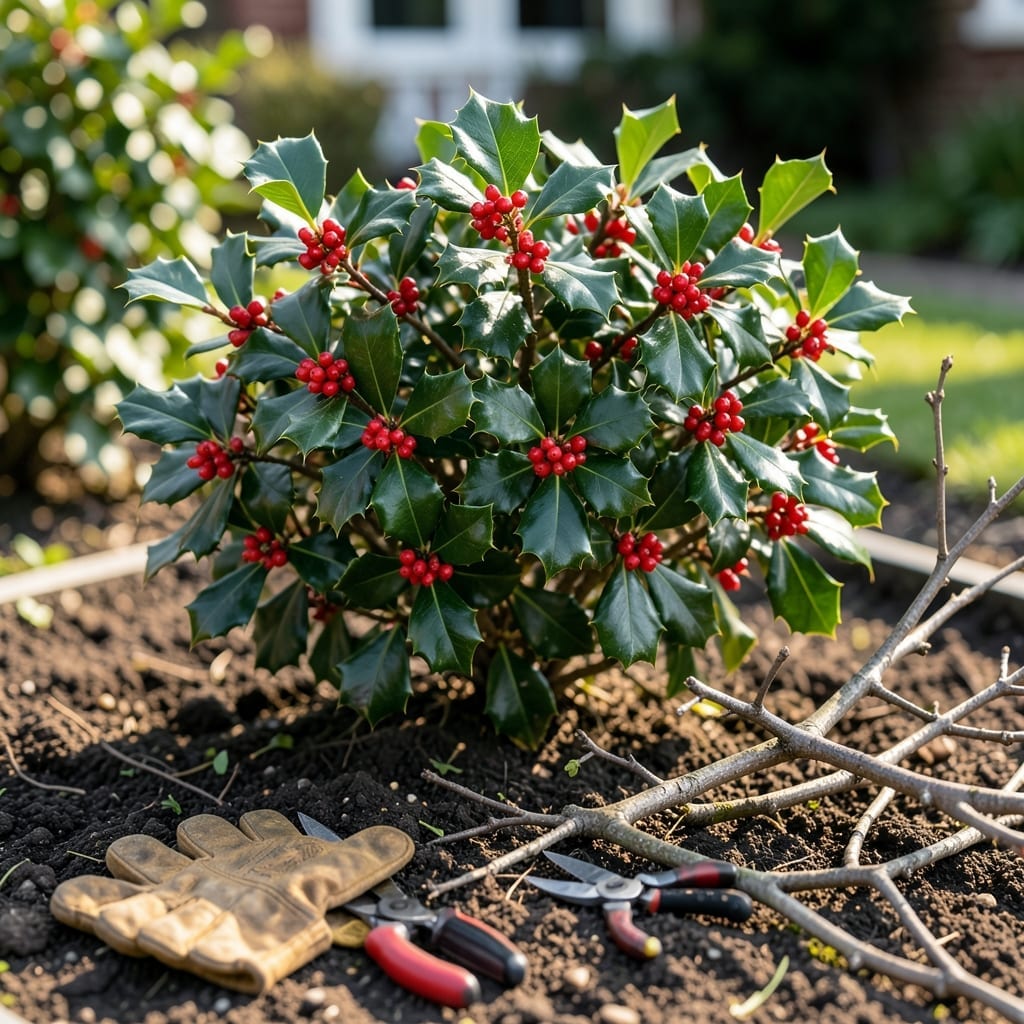
Timing is everything when it comes to pruning, and with Holly Bush 🌿, getting it right means the difference between thriving greenery and stunted growth. Cut too late or too early, and you risk stressing the plant.
I’ve seen many gardeners struggle with knowing the perfect moment to reach for those shears. The good news? There’s a simple seasonal sweet spot that works for most climates.
Discover when to trim your holly for healthy regrowth and vibrant berries—without the guesswork.
Timing your pruning correctly is critical for holly bushes. I always recommend late winter or early spring as the ideal window. This is just before new growth starts, giving your plant time to recover.
For most USDA zones 5-9, that means grabbing your shears in March or April. Avoid pruning during active growth periods, as this can stress the plant and reduce berry production.
| Season | Timing | Purpose |
|---|---|---|
| Late Winter | February | Remove dead wood |
| Early Spring | March-April | Shape before growth |
| Early Fall | September-October | Light shaping only |
*Avoid pruning in summer or during berry formation
If you miss the spring window, a light prune in early fall can work, but avoid heavy cutting then. Late fall pruning can stimulate new growth that won’t harden off before winter.
Evergreen hollies like Nellie Stevens do best with early spring pruning. Deciduous varieties such as Winterberry can handle a bit more flexibility but still prefer the same timing.
I’ve found that pruning just as the buds begin to swell but before they open gives the best results. This timing helps prevent winter damage to new growth while allowing the plant to recover quickly.
Remember that berry-producing hollies set their buds on old wood. Pruning too late in spring can remove potential berries, so aim to finish before the flower buds form.
For young holly bushes, light pruning in the first year helps establish a strong structure. Wait until the second year for more substantial shaping to avoid stressing the young plant.
Regional differences matter too. In warmer climates, you might start pruning as early as January. In colder zones, wait until all danger of frost has passed.
Always check your local frost dates and adjust accordingly. The key is to prune when the plant is still dormant but the worst of winter has passed.
With proper timing, your holly will reward you with dense foliage and abundant berries for years to come ✂️
Pruning holly bushes properly ensures healthy growth and abundant berries. I always start with the right tools: sharp bypass pruners and loppers for thicker branches. Clean tools prevent disease spread.
Begin by removing any dead or diseased wood first, as this improves airflow and plant health. Then, shape the bush by cutting back to a bud or branch to encourage new growth.
When shaping, follow the plant’s natural form rather than forcing a geometric shape. Holly bushes look best with a slightly rounded top and tapered sides to allow light penetration.
Make cuts at a 45-degree angle just above a leaf node or branch junction. This helps water run off and prevents rot. Never leave stubs, as they can invite disease and pests.
After pruning, I recommend applying a thin layer of mulch around the base to retain moisture and protect roots. Water deeply to help the plant recover from the stress of pruning.
Monitor your holly for new growth in the weeks following pruning. If you notice dieback or slow recovery, you may have pruned too late in the season or removed too much foliage.
With these techniques, your holly bushes will maintain their vibrant appearance and continue to thrive for years to come ✂️