
Beautiful Plants For Your Interior
Beautiful Plants For Your Interior
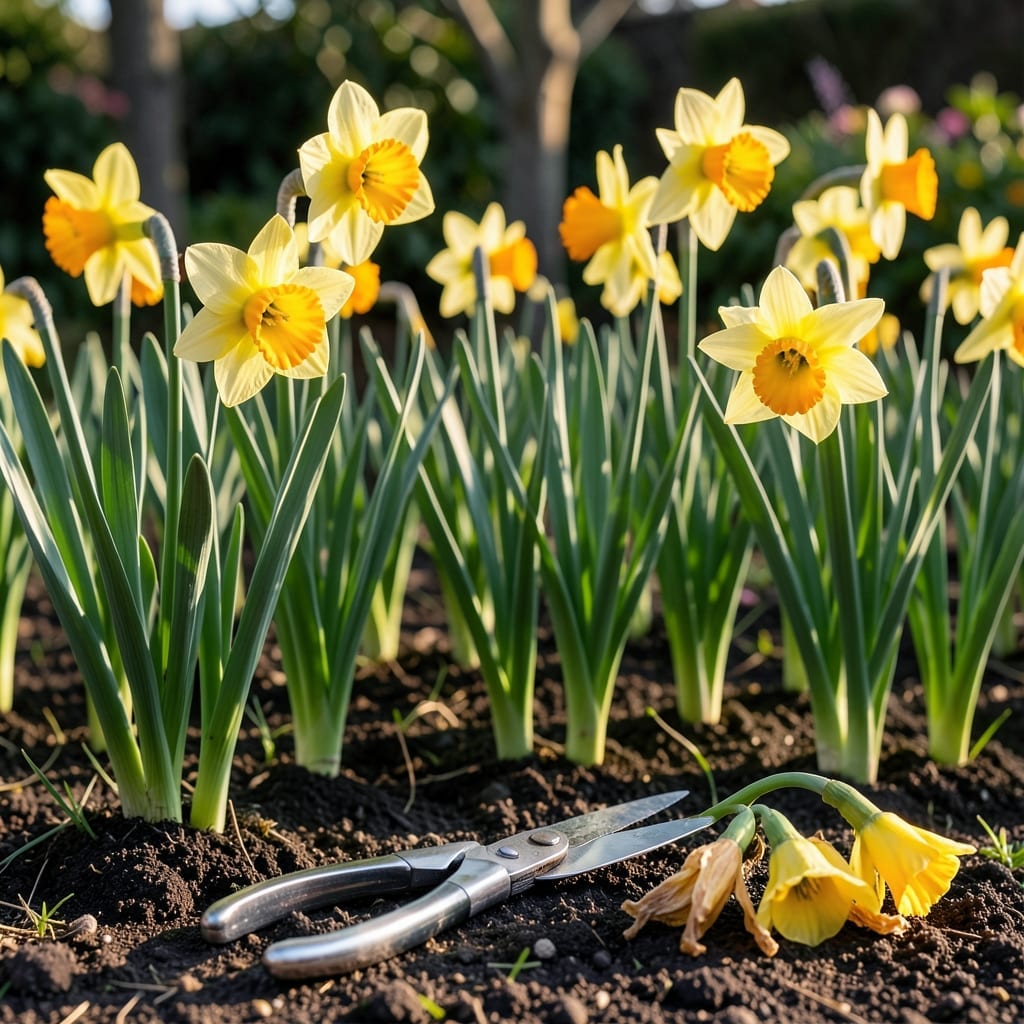
Knowing when to cut back your 🌷 Daffodil can mean the difference between a sad garden next year and a vibrant burst of spring color. Those golden blooms rely on proper post-bloom care to store energy for next season.
Timing is everything with these hardy bulbs. Cut too soon and you risk weak flowers next year. Wait too long and your garden looks messy for no good reason.
I’ll show you the exact signs to watch for and the simple steps to ensure your Daffodils come back stronger than ever.
The secret to vibrant daffodils next spring lies in when you cut them back this year. I’ve learned the hard way that timing is critical for these bulbs to store enough energy. Cutting too early can leave you with fewer blooms or none at all.
Watch for the foliage turning yellow or brown, which signals the bulb has finished photosynthesizing. This usually happens 6-8 weeks after flowering, but the exact timing depends on your climate and daffodil variety. ✂️
| Stage | Action |
|---|---|
| Flowering | Let blooms fade naturally, remove seed pods |
| Post-Bloom | Wait until foliage yellows and wilts |
| Late Spring | Cut back yellowed leaves to ground level |
| Dormancy | Leave bulbs undisturbed until next spring |
One of the biggest mistakes I see is cutting back green foliage just because it looks untidy. Those leaves are working overtime to feed the bulb for next year’s show. If you remove them early, you’re essentially starving your daffodils.
Another key sign is when the foliage pulls away easily from the bulb. At this point, the bulb has absorbed all the nutrients it needs. I like to gently tug on the leaves—if they come away with minimal resistance, it’s safe to cut.
If you’re in a warmer climate, your daffodils might finish their cycle faster. In cooler zones, the process can take a bit longer. Always let the plant lead the way rather than sticking to a rigid calendar.
I also recommend marking your daffodil patches with small stakes or labels. This helps you avoid accidentally disturbing the bulbs while they’re in their critical energy-storage phase. It’s an easy way to keep track of what needs to stay and what can go.
After cutting back, resist the urge to water heavily. The bulbs are entering dormancy and won’t need much moisture. Just keep the soil slightly moist if your area is particularly dry.
Proper timing ensures your daffodils return stronger and more abundant next year. It’s a small effort for a big payoff in spring color. 🌷
If you’re unsure, err on the side of waiting. Daffodils are forgiving plants, but giving them that extra time to store energy will always work in your favor.
I see many gardeners make the same costly mistakes when cutting back daffodils. The most common error is trimming the foliage while it’s still bright green. Those leaves are the bulb’s lifeline for next year’s blooms.
Another frequent misstep is removing the foliage too aggressively. Pulling it off can damage the bulb. I always use sharp pruners to cut cleanly at the base when the time is right.
⚠️ Warning: Common Daffodil Trimming Mistakes
Some gardeners also forget to remove the seed pods after the flowers fade. These pods drain energy that should go to the bulb. I always snip them off as soon as the petals fall.
Another mistake is cutting back at the wrong time of day. I recommend doing this in the early morning when the plants are fresh. This reduces stress on the bulb and helps prevent disease.
Neglecting to clean your tools between cuts can spread diseases. I keep a small bucket of soapy water nearby to wipe my pruners between plants. It’s a simple step that prevents big problems.
Finally, don’t forget to mark your daffodil locations if you’re planting other flowers nearby. Accidentally digging into dormant bulbs can set back next year’s display significantly.
By avoiding these common pitfalls, you’ll give your daffodils the best chance to return with bigger, brighter blooms next spring. ✂️