
Beautiful Plants For Your Interior
Beautiful Plants For Your Interior
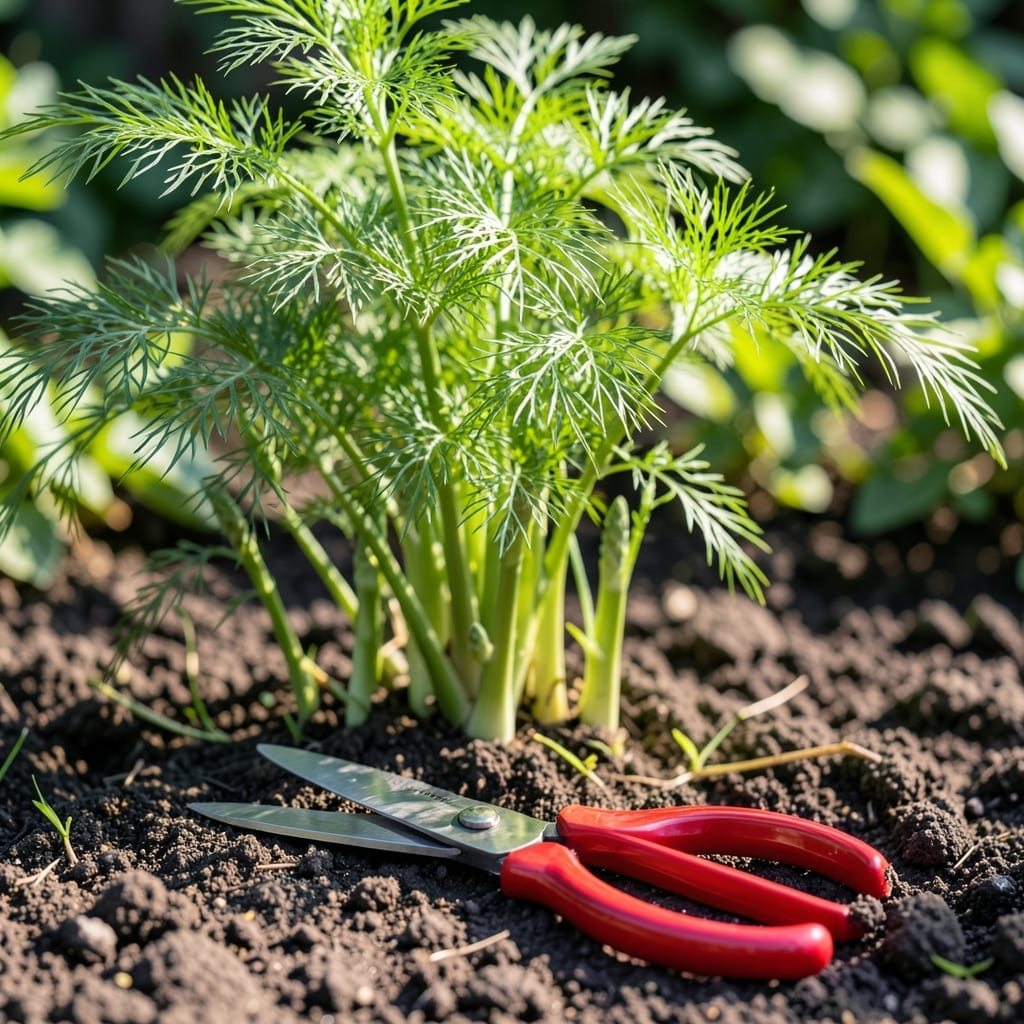
Timing is everything when it comes to keeping your 🥬 Asparagus patch thriving. Cutting it back at the right moment can mean the difference between a weak harvest and a bountiful one next season.
I’ve seen gardeners struggle with this simple yet crucial task, often pruning too early or too late. The good news? There’s a simple seasonal window that works for most climates.
Let me walk you through when and how to do it properly, so your Asparagus stays healthy and productive year after year.
Timing your asparagus pruning is critical for maintaining a healthy patch and ensuring a strong harvest next season. I always wait until the fern-like foliage turns yellow or brown.
This usually happens in late fall or early winter, after the plant has stored enough energy in its roots for next year’s growth. Never prune while the foliage is still green and active.
In colder climates (USDA zones 3-5), I recommend completing this task before the first hard frost. The dead foliage won’t protect the crowns, but it does help mark their location.
For warmer regions (zones 6-10), you can wait until early winter when the foliage naturally dies back. The key is to stop harvesting spears about 8-12 weeks before your first frost date.
This allows the plant to build up reserves in its roots. I’ve found that asparagus pruned at the right time comes back stronger and produces more spears the following year.
If you’re growing asparagus in containers, the timing remains the same, but watch for foliage dieback a bit earlier due to limited root space. Always use clean, sharp pruners to make clean cuts.
Remember, young asparagus plants (1-2 years old) shouldn’t be harvested at all. Let them establish a strong root system first. For these, just remove the dead foliage in late fall.
After pruning, I like to add a 2-3 inch layer of compost or mulch around the base. This protects the crowns and provides nutrients for next year’s growth.
Proper timing also helps prevent disease issues that can arise from leaving dead foliage too long. The plant’s energy goes into root storage, not into maintaining dying foliage.
Pruning asparagus correctly ensures your patch stays productive and disease-free for years. I always start by examining the foliage for signs it’s ready to be cut back.
The first step is to gather the right tools: sharp pruning shears or loppers, and a pair of gardening gloves for protection against the plant’s tough stems.
Begin by cutting the dead foliage down to about 2 inches above the soil level. This height helps protect the crowns while still removing the old growth.
I recommend making clean, angled cuts to prevent water from pooling on the stems. Always cut just above a node or joint to encourage healthy regrowth.
After pruning, rake up all the dead foliage and plant debris. This step is crucial because old foliage can harbor pests and diseases that might affect next year’s growth.
Finally, add a 2-3 inch layer of compost or mulch around the base. This protects the crowns from freezing temperatures and provides nutrients. ✂️