
Beautiful Plants For Your Interior
Beautiful Plants For Your Interior
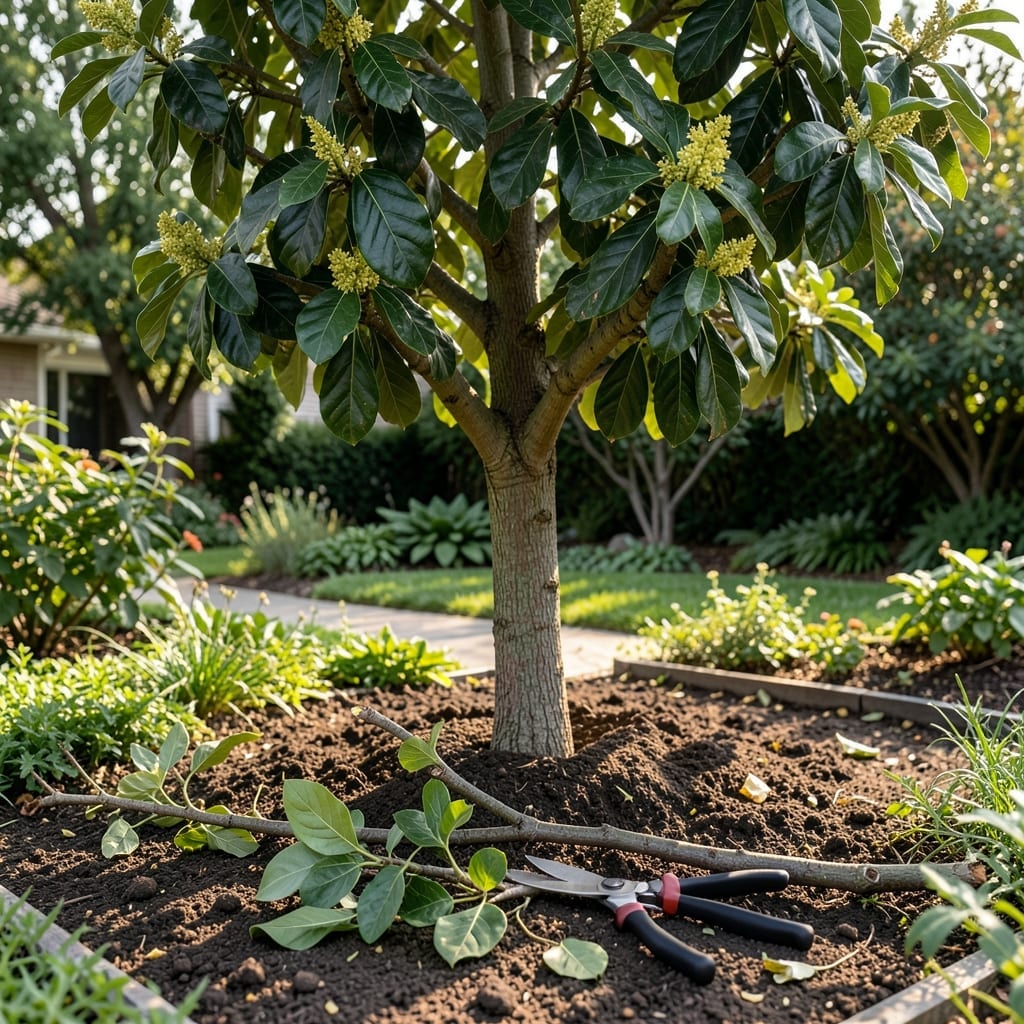
Pruning your Avocado Tree 🥑 at the right time can make all the difference between a thriving, fruit-bearing beauty and a struggling plant.
Timing isn’t just important—it’s the key to avoiding stress and ensuring your tree grows strong and healthy. Cut too early or too late, and you risk stunting its growth or missing out on a bountiful harvest.
Whether you’re a seasoned gardener or just starting out, knowing when to pick up those shears is crucial. I’ll walk you through the best seasons and what to look for before you make the first cut.
Discover how a little timing knowledge can transform your Avocado Tree into the star of your garden.
Timing your avocado tree pruning right can boost its health and fruit yield. I’ve found that late winter to early spring is ideal, just before new growth starts. This timing helps the tree heal fast and focus energy on strong branches.
Pruning in late winter also reduces the risk of cold damage to fresh cuts. In USDA zones 9b-11, this usually means February to March. Avoid pruning in summer or fall, as it can stress the tree or leave it vulnerable to pests.
| Season | Best Time | Reason |
| Late Winter | February | Encourages spring growth, avoids frost damage |
| Early Spring | March | Promotes strong new branches and fruit production |
| Summer | Avoid | Heat stress, pest vulnerability |
| Fall | Avoid | Slows healing, cold exposure risk |
If you live in a cooler climate, wait until the last frost has passed. I always check the 10-day forecast to ensure no surprise cold snaps. This extra caution prevents dieback on fresh cuts.
For young avocado trees, light pruning in the first 2-3 years shapes their structure. Focus on removing crossing branches and those growing inward. This opens the canopy for better air and light penetration.
Mature trees benefit from more aggressive pruning to control size and encourage fruiting. I aim to remove no more than 20-30% of the canopy at once. This keeps the tree healthy while still allowing for vigorous regrowth.
Always use clean, sharp tools to make smooth cuts. I sanitize my shears with rubbing alcohol between trees to prevent disease spread. A clean cut heals faster and reduces stress on the tree.
After pruning, I apply a thin layer of mulch around the base to retain moisture and protect roots. Avoid piling mulch against the trunk, as it can cause rot. Keep it 6 inches away from the trunk.
Watch for new growth a few weeks after pruning. This is a sign your tree is responding well. If you notice wilting or dieback, it might be a sign of over-pruning or poor timing. Adjust your approach next season.
Pruning at the right time and with the right technique ensures your avocado tree stays productive for years. I’ve seen trees bounce back stronger and produce more fruit after a well-timed prune. ✂️
Even with perfect timing, sometimes your avocado tree will show clear signals it needs pruning immediately. These signs often override seasonal guidelines, as ignoring them can harm the tree’s health.
Watch for dead or diseased branches, which can drain the tree’s energy and spread illness. Also, overcrowded foliage blocks sunlight and air circulation, leading to poor growth.
If you notice blackened or brittle branches, these are clear signs of disease or death. Pruning these areas right away helps the tree focus its energy on healthy growth instead.
Crossing or rubbing branches should also be addressed quickly. These create wounds that invite pests and diseases, so removing them early keeps your tree strong and resilient.
An overgrown canopy doesn’t just look messy—it reduces airflow, which can lead to fungal issues. Thinning out dense areas allows light and air to reach all parts of the tree.
Finally, if branches are hanging too low, they can obstruct pathways or get damaged by equipment. Trimming these keeps your garden tidy and your tree safe from harm.
Always sterilize your tools between cuts to prevent spreading pathogens to healthy parts of the tree ✂️