
Beautiful Plants For Your Interior
Beautiful Plants For Your Interior
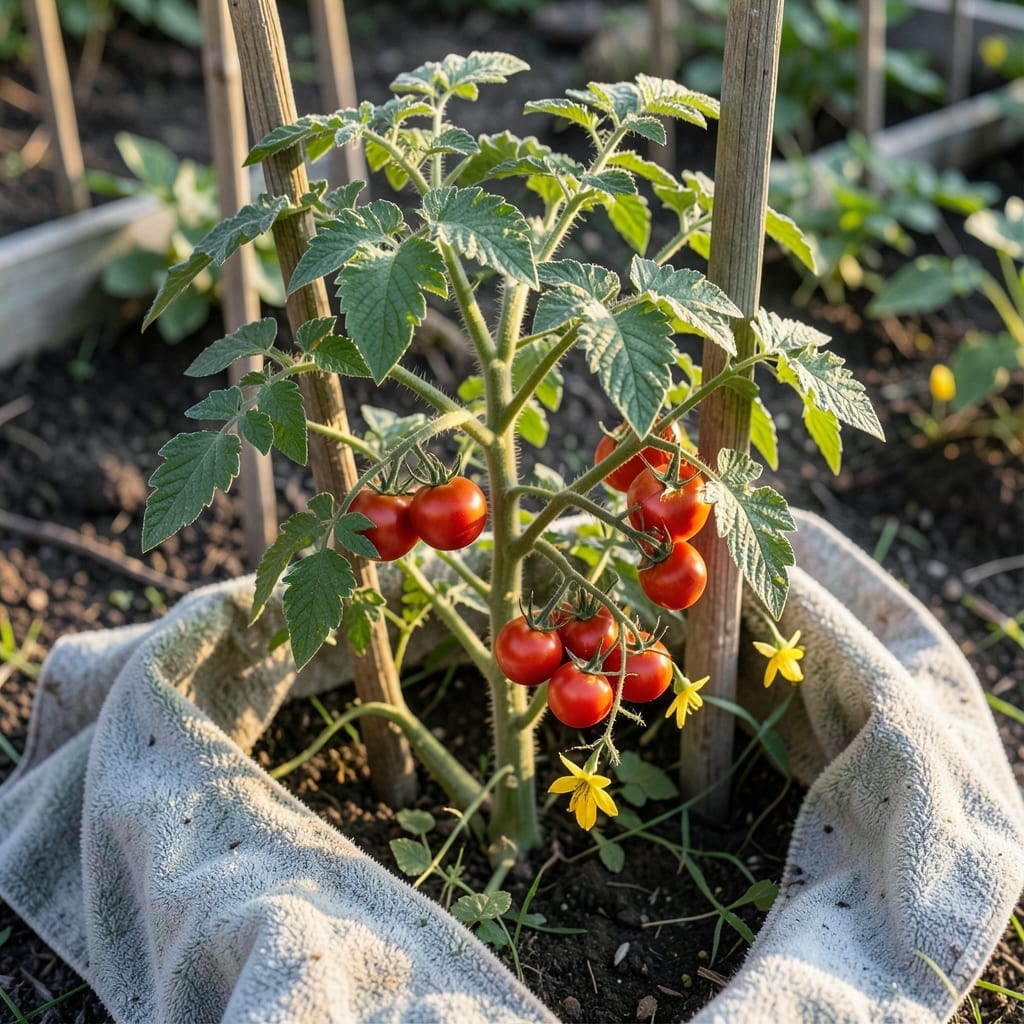
Tomato plants are sensitive to cold, and a single unexpected frost can ruin your entire crop. Knowing exactly when to cover them at night is the key to protecting your investment.
In zone 6, temperatures can drop suddenly, especially in early spring. Even the 🍅 Tomato, a warm-season favorite, needs protection when the mercury dips.
I’ll show you the signs to watch for and the best methods to keep your plants safe. Let’s discover how to shield your garden from those chilly nights.
As a gardener, I know that tomato plants thrive in warmth and can’t handle cold snaps. The first sign it’s time to cover them is when nighttime temperatures drop below 50°F. This is the threshold where growth slows.
Any forecast calling for 32°F or lower means frost is likely, and your plants need immediate protection. Even light frosts can damage leaves and fruits, so don’t wait until it’s too late. 🌱
| Condition | Action Required |
|---|---|
| 50°F or below | Cover plants at night |
| 32°F forecast | Use frost blankets immediately |
| Visible wilting | Check for cold stress |
I always check the weather forecast daily during spring and fall. Unexpected cold fronts can roll in quickly, and tomato plants won’t recover from frost damage. Watch for dark, water-soaked spots on leaves, a sign of cold injury.
Another clue is plant behavior. If your tomatoes look droopy or stressed in the evening, it’s a sign they’re struggling with the cold. Don’t ignore these warnings—act fast to prevent permanent damage. 🌿
I’ve learned that young seedlings are especially vulnerable. Even if mature plants can handle a light chill, newly planted tomatoes need extra care. Cover them if temps dip below 55°F to be safe.
Wind can make cold nights feel even colder. If your garden is exposed to strong breezes, consider covering plants earlier. A frost blanket or old bedsheet can provide a vital buffer against the chill.
I also pay attention to soil temperature. Cold soil can shock roots, even if the air feels mild. Use a soil thermometer to monitor—if it’s below 60°F, your plants may need protection. ✂️
Don’t forget about container-grown tomatoes. Pots can get cold faster than the ground. Move them indoors or cover them if nighttime temps are expected to drop. A small greenhouse or cold frame works wonders.
Finally, I recommend setting up alerts on your phone for frost warnings. Many weather apps offer this feature, and it’s a lifesaver for busy gardeners. A little preparation goes a long way in keeping your tomatoes healthy.
When cold nights threaten, I rely on frost blankets as my first line of defense. These breathable fabrics trap heat while allowing moisture to escape, preventing rot or mold. They’re lightweight and easy to drape over plants. 🌱
For a budget option, I’ve used old bedsheets or towels in a pinch. These work well for light frosts, but avoid plastic if it touches leaves—it can cause cold damage where it makes contact.
I’ve also built simple DIY cloches from clear plastic bottles. Just cut the bottom off and place it over young seedlings. This creates a mini greenhouse effect, but remove caps to allow airflow. ☀️
For larger plants, I use tomato cages wrapped in bubble wrap or frost cloth. This keeps the material from touching leaves while providing insulation. Secure covers with bricks or stakes to prevent wind damage.
If you have potted tomatoes, the easiest solution is to move them indoors or into a garage. Even a few hours of warmth can make a difference. Just
Finally, I always remove covers in the morning once temps rise above 40°F. Leaving them on too long can trap heat and humidity, leading to disease. A little vigilance ensures your plants stay healthy and productive.