
Beautiful Plants For Your Interior
Beautiful Plants For Your Interior
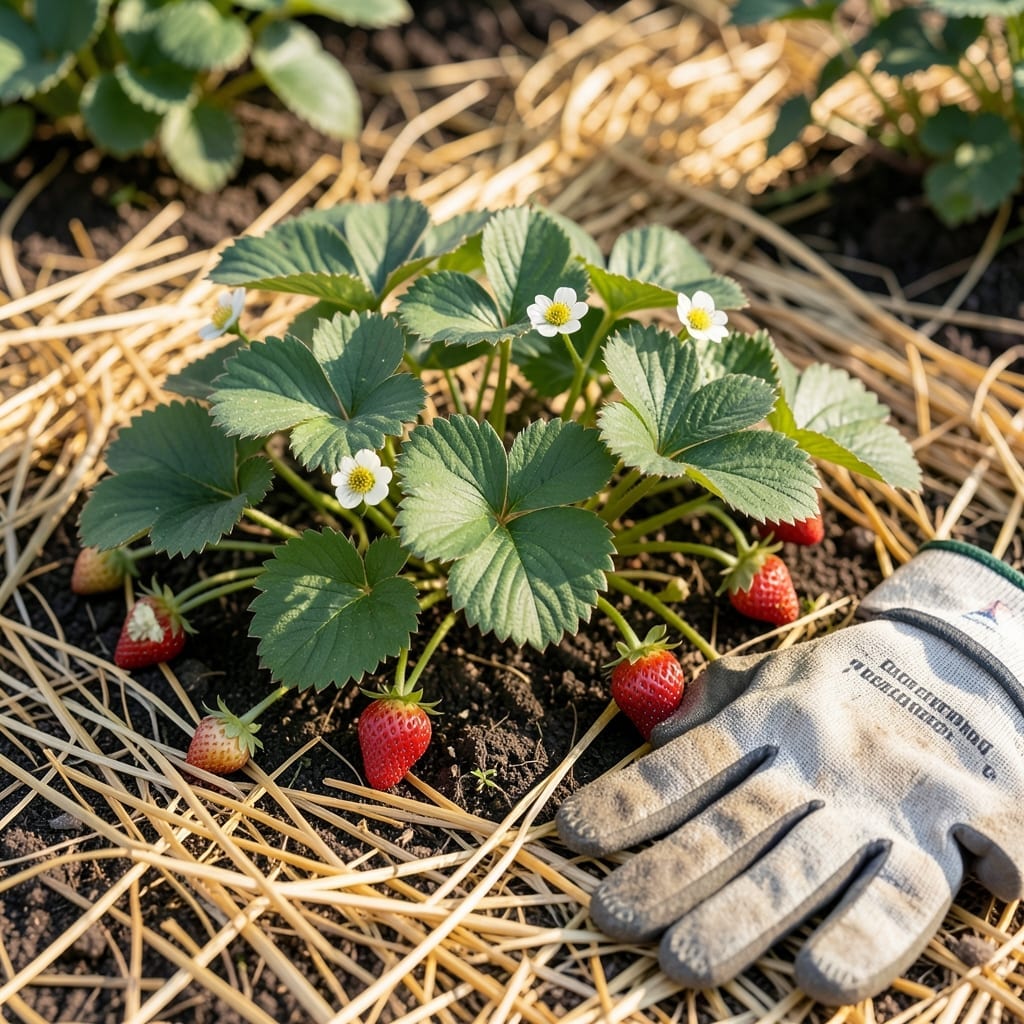
Timing is everything when it comes to protecting your 🍓 Strawberry plants from harsh weather. A well-timed straw cover can be the difference between thriving and struggling.
I’ve learned that applying this protection at the right moment shields your plants from frost damage. It’s about working with nature’s calendar, not against it.
Discover when to act for optimal results and how this simple step can safeguard your harvest. Let’s ensure your Strawberry plants stay strong through the season.
I always watch the temperature forecasts closely when fall arrives. The ideal time to cover strawberry plants is just before the first hard frost hits your region.
In most areas, this means late October or early November. You want to act when nighttime temps consistently drop to 20-25°F (-6 to -4°C) but before the ground freezes solid.
| Stage | Action |
|---|---|
| Early Fall | Monitor weather forecasts |
| First Light Frost | Prepare straw mulch |
| Before Hard Frost | Apply 4-6 inch layer |
| Spring Thaw | Remove mulch gradually |
The plant’s dormancy is your cue. When the leaves start to yellow and die back, it’s nature’s signal that the plant is ready for winter protection.
For June-bearing strawberries, I recommend covering after they’ve gone dormant. Everbearing types might need protection a bit earlier if they’re still producing late fall berries.
In warmer climates (USDA zones 7-9), you might not need to cover at all. But in colder zones 3-6, this protection is essential for crown survival.
I’ve found that wheat straw works best because it’s lightweight and allows air circulation. Avoid hay as it often contains weed seeds that can germinate.
The straw layer should be 4-6 inches thick over the entire plant, including the crown area. This creates an insulating blanket that protects from temperature swings.
This simple step can make the difference between healthy plants ready to produce in spring and damaged ones struggling to recover. 🌱
I always start by choosing the right straw type for my berry patch. Wheat straw is ideal because it’s clean, lightweight, and won’t compact around plants.
Before applying, I remove any weeds and loosen the soil around the plants. This ensures the straw makes good contact with the ground for better insulation.
The crown protection is most critical. I
For raised beds, I apply a slightly thicker layer (6-8 inches) since they’re more exposed to temperature fluctuations. In-ground plants usually need less.
I check the mulch depth after a few weeks. Wind and rain can compress the straw, so I add more if needed to maintain the protective barrier.
This method has helped my strawberries survive harsh winters and come back stronger each spring. The key is consistent coverage without smothering the plants. 🌿