
Beautiful Plants For Your Interior
Beautiful Plants For Your Interior
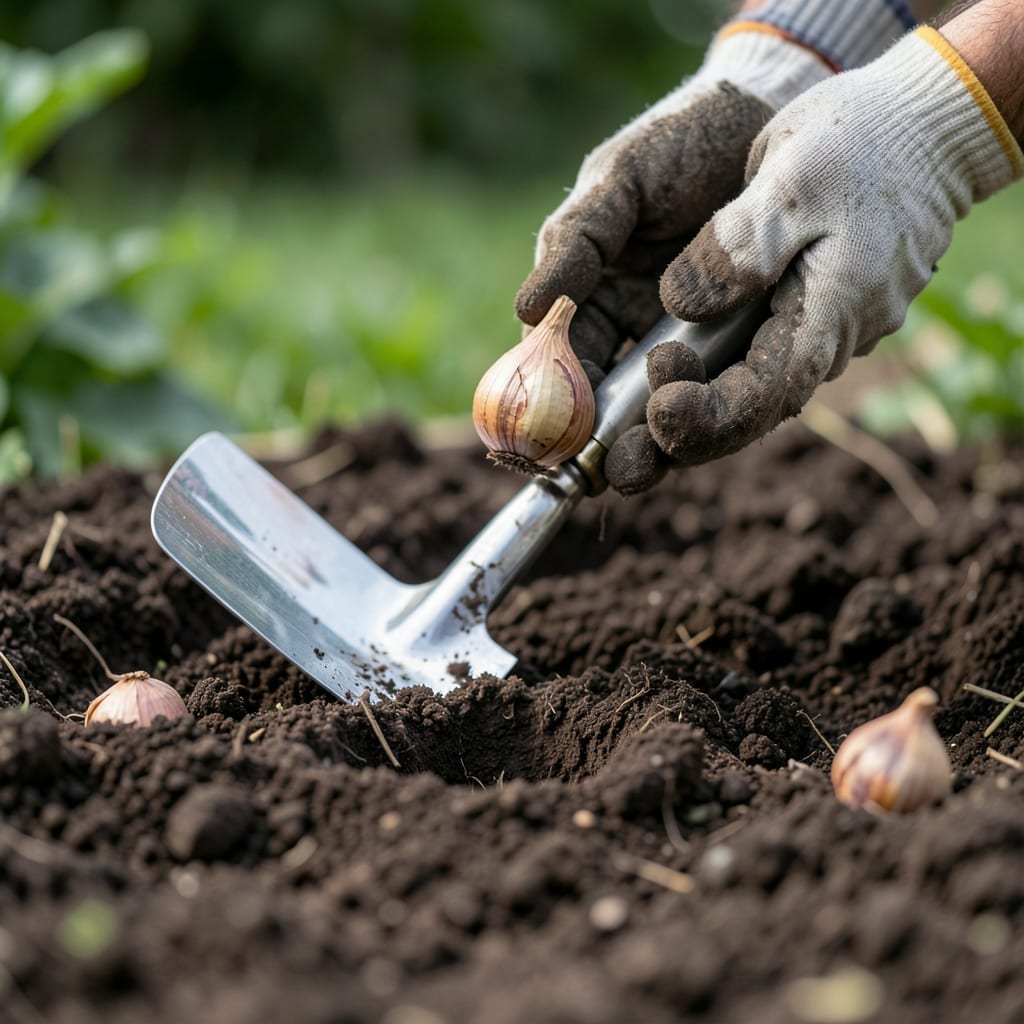
Timing is everything when planting 🌷 Bulbs—plant too early or too late, and you risk poor blooms or no flowers at all. I learned this the hard way my first season.
Getting the schedule right means the difference between a lackluster garden and one bursting with color. For most of us in zone 6, the sweet spot arrives in fall.
There’s a simple window that gives bulbs the chilling period they need to thrive. Miss it, and you’ll be waiting until next year for results.
Discover exactly when to get those bulbs in the ground for the best spring and summer show. It’s easier than you think.
Getting spring-blooming bulbs in the ground at the right time is crucial for vibrant blooms. I always plant tulips, daffodils, and crocuses in fall to allow roots to establish before winter.
The ideal window is 4-6 weeks before the first hard frost, when soil temperatures drop below 60°F. This gives bulbs time to develop a strong root system before dormancy.
| USDA Zone | Best Planting Months | Soil Temp Threshold |
|---|---|---|
| 3-4 | September – Early October | Below 60°F |
| 5-6 | October – Early November | 50-60°F |
| 7-8 | November – Early December | 50-55°F |
| 9-10 | December – January | Below 55°F |
In colder zones like 3-4, I start planting as early as September. The ground freezes faster there, so bulbs need extra time to establish roots before winter sets in.
For moderate zones like 5-6, October is perfect. I’ve found that tulips and daffodils planted in this window produce the most reliable spring blooms.
In warmer zones like 7-8, you can plant as late as November. The soil stays warmer longer, so bulbs still get the chilling period they need.
For zones 9-10, I recommend pre-chilling bulbs in the fridge for 6-8 weeks before planting in December or January. This mimics winter conditions.
Soil temperature is more important than calendar dates. I use a soil thermometer to check. When temps stay below 60°F at 4-inch depth, it’s time to plant.
Always plant 2-3 inches deeper in sandy soil and slightly shallower in clay. This helps prevent frost heaving in winter and ensures proper drainage. 🌱
After planting, I water thoroughly once to settle the soil, then mulch with 2-3 inches of straw or leaves. This insulates bulbs and retains moisture during dormancy.
Remember, spring-blooming bulbs need that cold period to trigger blooming. Planting too late in warm climates can result in blind stems—no flowers at all. 🌷
For summer bloomers like dahlias and gladiolus, timing is different from spring bulbs. These need warm soil to thrive, so wait until all frost danger passes in your area.
In most regions, that means planting 2-4 weeks after your last frost date. For zone 6, that’s typically mid-to-late May. This gives the soil time to warm to at least 60°F, which these bulbs love.
| Bulb Type | Planting Time | Bloom Season |
|---|---|---|
| Dahlias | After last frost | Summer to fall |
| Gladiolus | Every 2 weeks for continuous blooms | Summer |
| Crocosmia | Early spring or fall | Summer |
For fall-blooming bulbs like autumn crocus, plant in late summer. This gives them time to establish before cooler weather arrives. I’ve found August works well for most climates.
Soil temperature is your best guide. Use a soil thermometer to check—60°F is the magic number for most summer bloomers. If you’re unsure, wait until nighttime temps stay above 50°F.
In warmer zones (7-10), you can plant summer bulbs earlier. But in cooler areas, starting them in pots indoors gives a head start. Just harden them off before transplanting.
Remember, these bulbs are tender and won’t survive winter in the ground in cold climates. Dig them up after frost and store in a cool, dry place until next spring. 🌷