
Beautiful Plants For Your Interior
Beautiful Plants For Your Interior
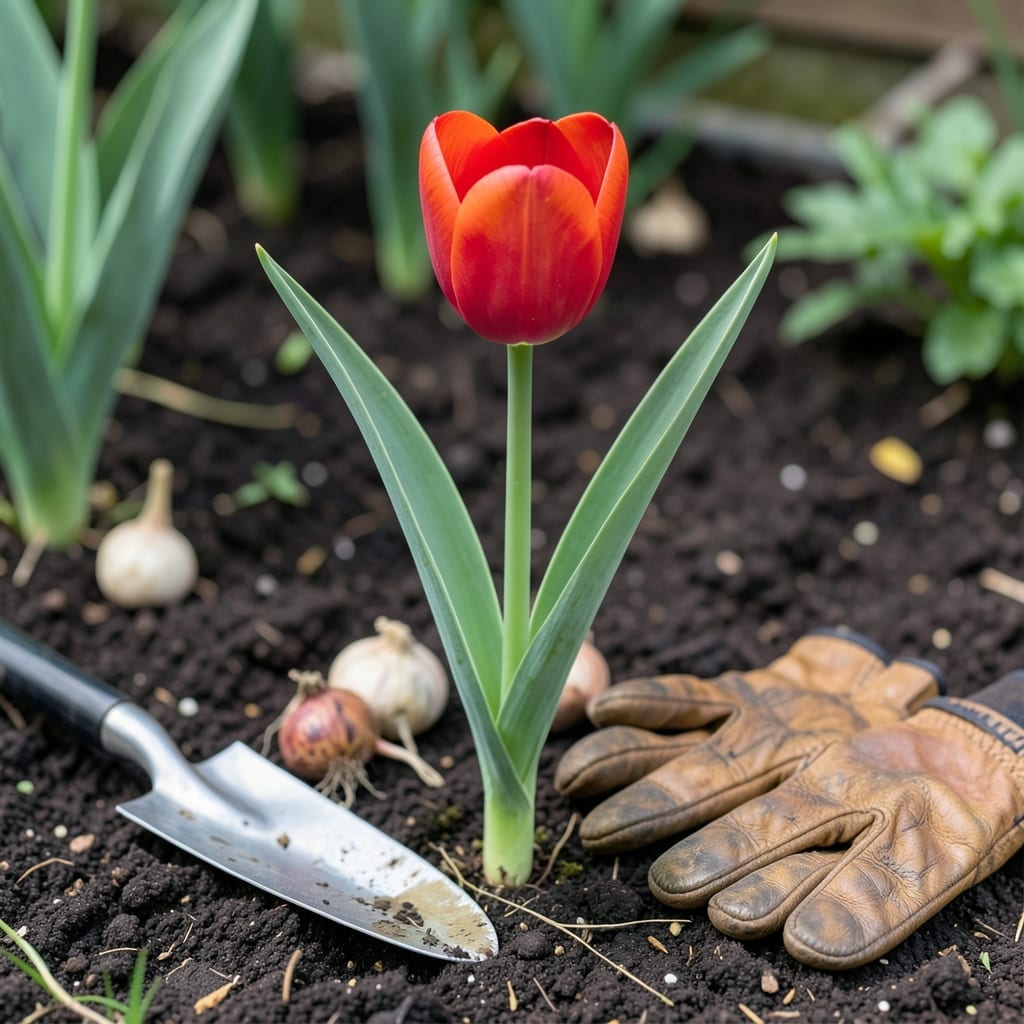
Planting 🌷 Tulip bulbs at the right time is the secret to a vibrant spring garden bursting with color. Get the timing wrong, and you might end up with lackluster blooms—or none at all.
I’ve learned that fall planting gives these beauties the perfect head start. The cool soil helps roots establish before winter, setting the stage for spectacular blooms when warmer weather returns.
Discover the ideal window for your region and how to prepare your garden. With the right approach, you’ll enjoy a stunning display that’s worth the wait.
The ideal window for planting tulip bulbs is in fall, typically between September and November. This timing allows roots to establish before winter dormancy sets in.
I always aim to plant 6-8 weeks before the first hard frost, when soil temperatures drop below 60°F. This ensures strong root growth for vibrant spring blooms.🌷
| Planting Factor | Optimal Details |
| Best Months | September – November |
| Soil Temperature | Below 60°F |
| USDA Zones | 3-8 |
| Planting Depth | 6-8 inches |
In USDA zones 3-8, this fall planting schedule works perfectly. The cool soil triggers root development while preventing premature sprouting above ground.
For warmer climates like zone 8, I recommend planting in late November or even December. The bulbs need that cold period to break dormancy properly.
Northern gardeners in zones 3-4 should plant earlier, in September. This gives bulbs maximum time to establish roots before the ground freezes solid.
The soil temperature is more important than the calendar date. I use a soil thermometer to check for that 40-50°F sweet spot at planting depth.
Planting too early in warm soil can cause blind bulbs that produce leaves but no flowers. Too late, and roots won’t develop enough to support spring growth.
I’ve found that well-draining soil prevents bulb rot during winter thaws. Adding compost at planting time gives tulips the nutrients they need for that spectacular spring show.🌿
Remember, tulips are perennials in ideal conditions. With proper fall planting and care, many varieties will return year after year with beautiful blooms.
Planting tulip bulbs correctly ensures a stunning spring display. The first step is soil preparation—I always loosen the earth to 12 inches deep for proper drainage and root growth.
Adding compost or bulb fertilizer at planting time gives your tulips the nutrients they need. This is especially important in heavy clay soils that might otherwise suffocate the bulbs.🌱
The planting depth is crucial—too shallow and bulbs may freeze, too deep and they’ll struggle to emerge. I use a measuring stick to ensure consistency across my garden beds.
Spacing matters for both aesthetics and health. Crowded bulbs compete for nutrients, leading to smaller blooms. In containers, you can plant slightly closer, but still allow room for growth.
After planting, I water deeply to help roots establish. This initial watering is more important than you might think—it eliminates air pockets and ensures good soil-to-bulb contact.
A mulch layer of straw or shredded leaves protects bulbs from temperature fluctuations. In colder zones, this extra insulation can mean the difference between thriving plants and winter losses.🌿