
Beautiful Plants For Your Interior
Beautiful Plants For Your Interior
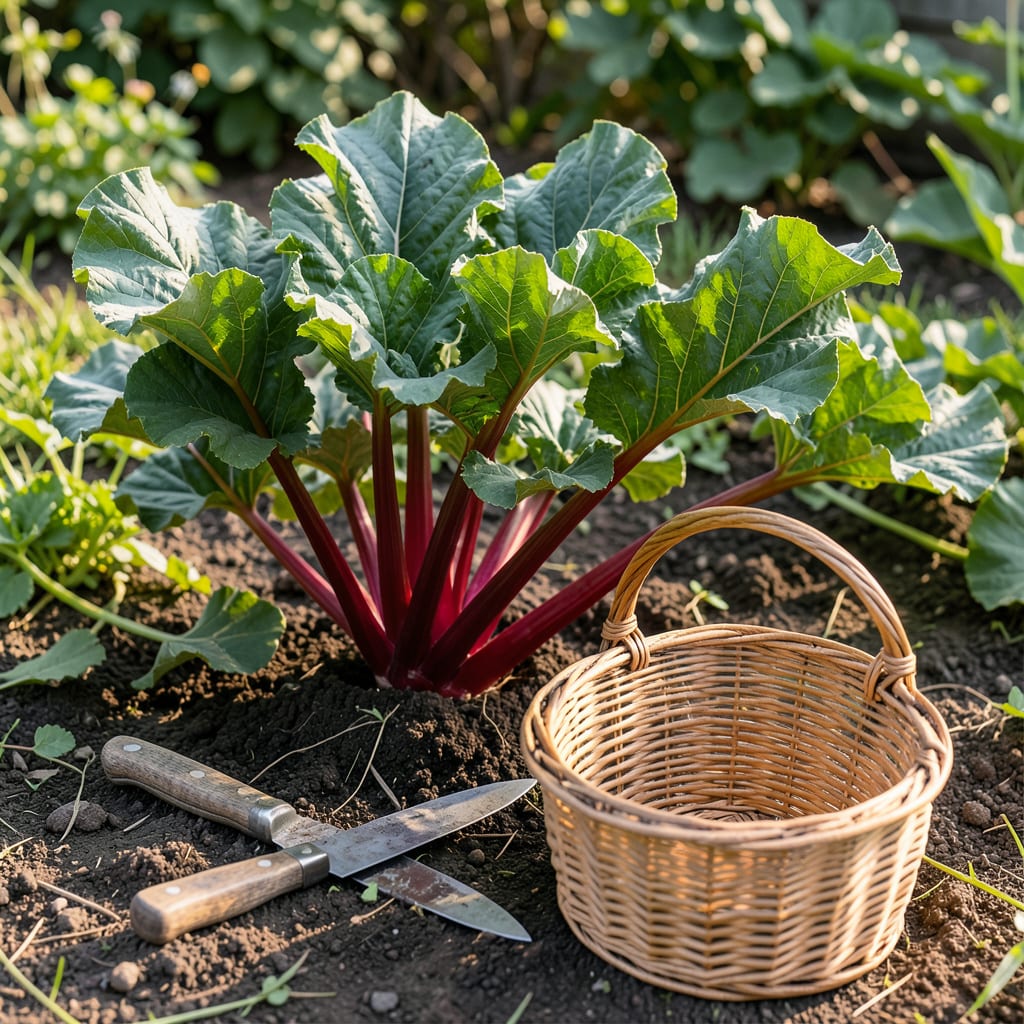
Timing your rhubarb harvest can make or break your season. When stalks reach 10-15 inches and feel firm, you’re in the perfect window.
I’ve learned that picking too early or late affects both flavor and plant health. Let me share the most reliable signs to look for when harvesting your 🌱 Rhubarb.
Rhubarb thrives in cool climates and is ready for harvest primarily in spring. I’ve found that April through June is the sweet spot for most regions in USDA zones 3-8. Early spring brings the first flush of growth. 🌱
In warmer areas, you might start harvesting as early as March, while cooler climates may push the window to late June. Always watch for frost warnings, as a light frost can actually sweeten the stalks. Early summer can offer a secondary harvest if conditions are right.
| Season | Harvest Window | Climate Considerations |
|---|---|---|
| Spring | April – June | Prime time; cool temps ideal |
| Early Summer | June – Early July | Secondary harvest; watch for heat stress |
| Fall | September (if applicable) | Possible in mild climates; avoid after frost |
I always check the stalk length before picking. 10-15 inches is ideal for most varieties. Shorter stalks may not be mature, while overly long ones can turn woody and tough. The color should be deep red or green, depending on the variety.
Another key sign is firmness. Gently squeeze the stalk—it should feel solid and crisp, not soft or bendy. If it snaps cleanly when bent, it’s ready. This test works better than any calendar date for me. ✂️
In my garden, I’ve noticed that morning harvesting yields the best results. The stalks are most hydrated and turgid after a cool night. Avoid picking during the hottest part of the day, as the heat can stress the plant.
For first-year plants, resist the urge to harvest. Let them establish a strong root system for future bounty. In the second year, you can take a light harvest, but full production starts in year three. 🌿
If you live in an area with late frosts, don’t worry—rhubarb is frost-tolerant. A light frost can even enhance the flavor by reducing oxalic acid levels. However, hard freezes can damage the plant, so harvest before temperatures drop below 20°F (-7°C).
In warmer climates, rhubarb may struggle in summer heat. If temperatures consistently exceed 90°F (32°C), the plant may go dormant. In these cases, early morning harvesting and shade cloth can help extend the season.
Finally, always use a sharp knife or garden shears to cut stalks at the base. Never pull them, as this can damage the crown and reduce future yields. Leave at least one-third of the stalks on the plant to ensure continued growth. 🪴
I always look for 10-15 inch stalks as the first sign of readiness. This length ensures the rhubarb plant has matured enough for harvest. Shorter stems often lack the full flavor and texture we want. 🌱
The color should be deep red or vibrant green, depending on your rhubarb variety. A dull or pale hue often means it’s not quite ready. Combined with length, color is a reliable indicator of ripeness.
Firmness is another critical test. Gently squeeze the stalk—it should feel solid and crisp, not soft or bendy. If it snaps cleanly when bent, it’s perfect for picking. This simple test beats any calendar date.
The leaves also tell a story. They should be fully unfurled and vibrant. Curled or wilted leaves often indicate the plant isn’t ready. I check the entire plant before deciding to harvest. ✂️
I’ve found that morning harvesting works best. The stalks are most hydrated and turgid after a cool night. This ensures the best texture and flavor. Avoid picking during the hottest part of the day.
Remember, first-year plants need time to establish. Resist harvesting until the second or third year for a full, healthy yield. Patience now means bigger harvests later. 🌿
I’ve seen many gardeners accidentally harm their rhubarb plants by harvesting too aggressively. Taking more than one-third of stalks at once can stress the plant and reduce future yields. Always leave plenty behind. 🌱
Another common mistake is picking immature stalks. If they’re under 10 inches or bend easily, they’re not ready. Patience ensures the best flavor and plant health.
Over-harvesting: Never take more than ⅓ of stalks at once.
Pulling stalks: Always cut with a sharp knife to avoid crown damage.
Harvesting year one: Let plants establish for full production later.
Using dull tools or pulling stalks can damage the crown, which is the plant’s lifeline. I always use clean, sharp shears and cut at the base. This simple step prevents disease and promotes healthy regrowth. ✂️
Timing matters too. Harvesting during the hottest part of the day stresses the plant. I aim for early morning when stalks are most hydrated. Also, avoid picking after a hard frost, as it can harm the plant.
Finally, don’t ignore the recovery period. After harvesting, give your rhubarb 2-3 weeks to regroup. With proper care, it’ll reward you with years of bountiful harvests. 🌿
Harvest when stalks reach 10-15 inches long. This length ensures full maturity and best flavor. Shorter stalks may lack sweetness and texture.
No, let first-year plants establish their root system. Light harvesting is safe in the second year, but full production starts in year three. Patience pays off!
Early morning is ideal. Stalks are most hydrated and crisp after a cool night. Avoid harvesting during the hottest part of the day.
Overly long stalks become woody and tough. If they’re thicker than 1.5 inches or bend without snapping, they’re past their prime. Check firmness too.
