
Beautiful Plants For Your Interior
Beautiful Plants For Your Interior
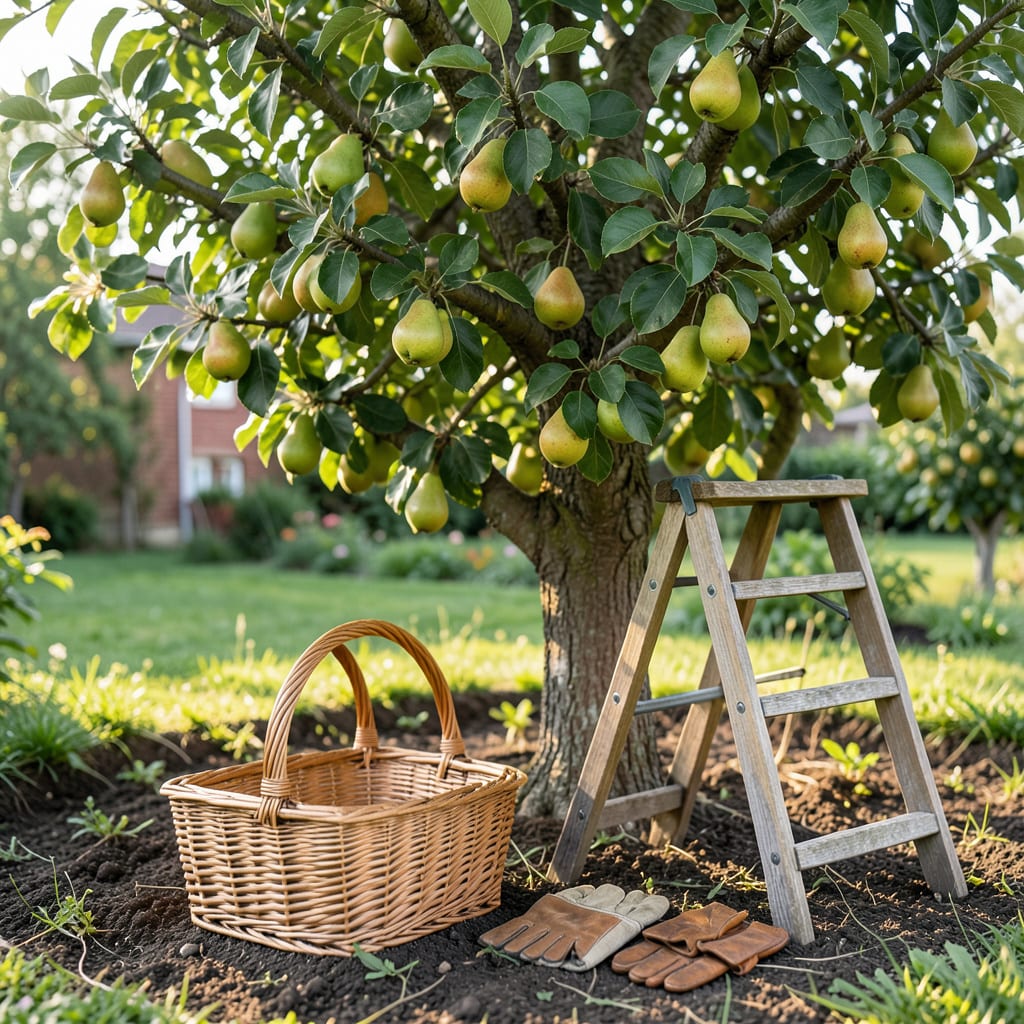
Nothing beats biting into a perfectly ripe 🍐 Pear straight from your tree. But timing is everything—pick too soon and they’re rock hard, wait too long and they turn to mush.
Discover the simple signs and foolproof tests to know exactly when your pears are ready for harvest. It’s easier than you think!
Timing your pear harvest perfectly starts with the stem slip test. This simple method tells you when pears are ready to come off the tree, even if they’re still firm. I’ve found it far more reliable than color alone.
Most European pears like Bartlett or Anjou won’t ripen properly on the tree. They need to be picked mature but unripe, then allowed to ripen indoors. That’s where the stem test shines.
The stem slip test works because pears develop an abscission layer at the stem when mature. This natural separation makes harvesting easier and prevents damage to the fruit or tree.
For Asian pears, which ripen on the tree, the test is slightly different. These varieties should be picked when they’re fully ripe, so look for a slight give when gently pressed near the stem.
I always test multiple pears on different branches, as ripening can vary. Early varieties like Bartlett pears may be ready in late July, while Bosc or Comice often need until September.
If the pear doesn’t budge, it’s not ready. Forcing it off can damage the fruit and reduce its storage life. Patience is key—check every few days as the season progresses.
Once you’ve confirmed ripeness with the stem test, harvest in the cool morning hours to preserve freshness. Use pruners for hard-to-reach fruit, but always leave the stem intact.
Remember, pears continue to ripen after picking. Store them at room temperature to soften, then refrigerate once they reach your desired ripeness. This method ensures you’ll enjoy sweet, juicy pears every time.☀️
Mastering the stem slip test takes practice, but it’s the most reliable way to harvest pears at their peak. Combine it with color changes and days from bloom for even better accuracy.🌿
While the stem slip test is my go-to method, combining it with other ripeness cues ensures you never miss the perfect harvest window. Pears often signal readiness through multiple changes that are easy to spot.
I watch for subtle color shifts—many varieties transition from deep green to lighter yellow or develop a red blush. This change is especially noticeable in Bartlett pears, which turn from green to yellow as they mature.
| Sign | What to Look For |
|---|---|
| Color Change | Green to yellow or red blush |
| Texture | Slight give near stem |
| Days from Bloom | 90-150 days depending on variety |
| Aroma | Sweet scent near stem |
Another reliable sign is texture. Gently press near the stem—if there’s a slight give, the pear is likely ready. This works well for Asian pears, which ripen on the tree and should feel firm but not hard.
Timing also matters. Most pears are ready 120 days after bloom, but this varies by variety. Bartlett pears often ripen in late July, while Bosc pears may need until September. Check your tree’s specific timeline.
Don’t overlook aroma. Ripe pears emit a sweet fragrance near the stem. If you smell that characteristic scent, it’s a strong indicator that harvest time is near. I often use this cue alongside the stem test for confirmation.
Combining these ripeness signs with the stem slip test gives you the most accurate results. Pears rarely show all cues at once, so I rely on at least two or three to make my final decision.🌿
Even experienced gardeners make harvesting errors with pears. The most common mistake I see is waiting for full ripeness on the tree. Most pears, especially European varieties, should be picked mature but firm, then ripened indoors.
Another frequent issue is harvesting too early. If pears are still hard and the stem won’t separate, they’re not ready. Forcing them off can damage the fruit and reduce storage life. Patience is key—check every few days as the season progresses.
Don’t wait for pears to ripen on the tree—most varieties won’t! Harvest when the stem slips easily and finish ripening indoors.
Ignoring variety-specific timelines is another misstep. Bartlett pears may be ready in July, while Bosc pears often need until September. I always note my tree’s bloom date and count 120 days forward for a rough estimate.
Mishandling fruit during picking can cause bruising. I use pruners for hard-to-reach pears, but always leave the stem intact. Handle gently to avoid premature spoilage or damage to the tree.
Finally, don’t overlook storage conditions. Pears continue to ripen after picking, so store them at room temperature until they soften, then refrigerate. This simple step extends their freshness and flavor.🌿
Use the stem slip test: gently lift and twist the pear. If it separates easily, it’s ready. Most varieties should be picked firm and ripened indoors.
No, most pears won’t ripen properly if left on the tree until soft. Harvest when mature but firm, then let them ripen inside at room temperature.
Pick in the cool morning hours to preserve freshness. This helps maintain flavor and extends storage life.
Most European pears use the stem slip test, but Asian pears should be picked when fully ripe. Check for slight give near the stem.
