
Beautiful Plants For Your Interior
Beautiful Plants For Your Interior
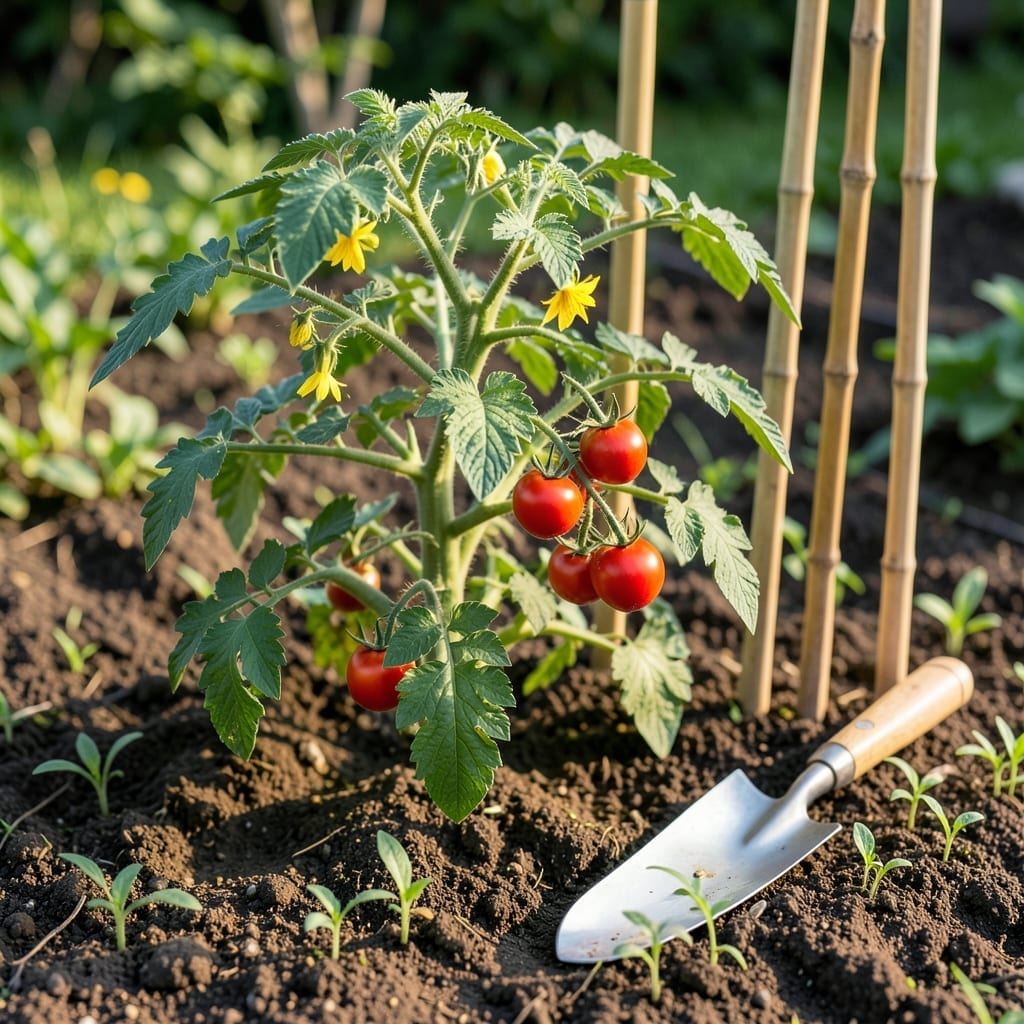
Timing is everything when planting Tomato 🍅 in Tennessee—plant too early and frost may kill your seedlings, too late and you’ll miss the prime growing season.
Get it right, and you’ll enjoy a bumper harvest of juicy, homegrown Tomato all summer long. The difference between success and disappointment often comes down to just a few weeks.
I’ve learned the hard way that Tennessee’s 6b-7a zones demand precision, not guesswork. The good news? There’s a simple, proven window that gives your plants the best start.
Discover exactly when to plant and why this timing matters more than you might think. Your future self—and your taste buds—will thank you.
Tennessee’s diverse climate means tomato planting times vary by USDA hardiness zone. In Zone 6, we wait until after April 15 for the last frost, while Zone 8 gardeners can start earlier. Soil temperature is just as critical as air temperature.
I always check that my soil has warmed to at least 60°F before planting. Tomatoes are warm-season crops that won’t tolerate cold soil, even if air temperatures are rising. This is especially true for Middle Tennessee gardeners in Zone 7.
| Zone | Last Frost Date | Planting Window | Soil Temp Requirement |
|---|---|---|---|
| 6 | April 15 | Mid-April to May 1 | 60°F+ |
| 7 | April 1 | Early April to April 20 | 60°F+ |
| 8 | March 15 | Late March to April 1 | 60°F+ |
In East Tennessee, which is mostly Zone 6, I’ve found that waiting until late April gives the best results. The higher elevations can have unexpected late frosts that damage young plants.
For West Tennessee gardeners in Zone 8, the growing season starts earlier. You can often plant as early as late March if the weather has been consistently warm. I recommend using black plastic mulch to help warm the soil faster.
No matter your zone, transplants are better than seeds for Tennessee. Start your seedlings indoors about 6-8 weeks before your planned transplant date. This gives them a head start before moving them outside.
I always harden off my seedlings for a week before planting. This means gradually exposing them to outdoor conditions. It prevents transplant shock and helps them adjust to Tennessee’s sometimes unpredictable spring weather.
Remember that microclimates matter too. Urban areas like Nashville may be warmer than rural spots. I use a soil thermometer to check conditions at planting depth, which is about 4-6 inches deep.
If you’re eager to get started, you can use season extenders like row covers or cold frames. These can protect plants from unexpected late frosts and allow for slightly earlier planting.
Finally, always have a backup plan. Tennessee weather can be unpredictable. I keep frost cloths on hand just in case temperatures drop after I’ve planted my tomatoes. It’s better to be prepared than to lose your plants to a surprise cold snap. 🌱
Before planting tomatoes in Tennessee, I always start by testing my soil’s pH level. Tomatoes thrive in slightly acidic soil (6.0-6.8), so adjustments may be needed. A simple test kit from your local garden center works perfectly.
Next, I focus on soil enrichment. Tennessee’s clay-heavy soil often needs organic matter like compost or aged manure. This improves drainage and provides essential nutrients for robust growth.
I’ve found that site selection is just as important as soil prep. Tomatoes need full sun and protection from wind. In my experience, a south-facing spot works best in Tennessee’s climate.
For container gardeners, use 5-gallon pots minimum and ensure they have drainage holes. I prefer fabric pots as they prevent root circling and allow better aeration.
Don’t forget to warm the soil before planting. In early spring, I lay down black plastic mulch for 2 weeks to raise soil temperature to the ideal 60°F minimum.
Finally, I always harden off seedlings for 7-10 days before transplanting. This gradual exposure to outdoor conditions prevents shock and ensures stronger, more resilient plants.
☀️