
Beautiful Plants For Your Interior
Beautiful Plants For Your Interior
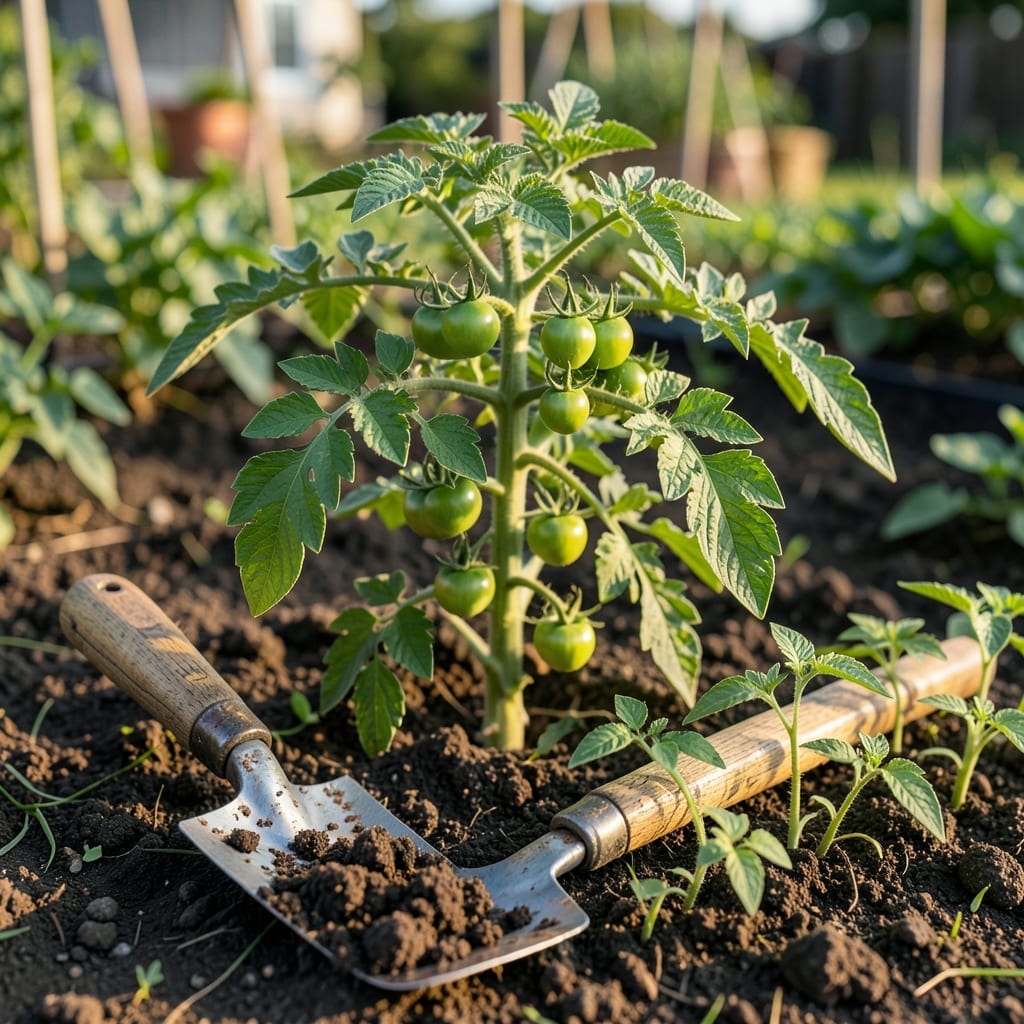
Timing is everything when planting your General Garden in Maryland, where finicky weather can make or break your season. The difference between a thriving garden and a frustrating flop often comes down to just a few weeks.
In zones 7a-7b, you’ll want to align your planting with the state’s unique climate patterns. Too early, and a late frost could wipe out your efforts. Too late, and summer heat might stress your plants before they establish.
I’ve seen gardeners struggle with timing year after year, but the solution is simpler than you think. With the right calendar, you can avoid the guesswork and set your General Garden up for success from the start.
Discover how to sync your planting schedule with Maryland’s seasons and frost dates. Your most productive growing season yet is just around the corner.
Planting in Maryland means working with USDA zones 5-8, each with unique frost dates that shape your growing season. I always check my local zone first to avoid costly mistakes.
In Zone 7a-7b (most of central Maryland), the last frost typically hits around April 15, while the first frost arrives near October 15. This gives us about 195 frost-free days for gardening.
| Zone | Last Frost Date | First Frost Date | Frost-Free Days |
|---|---|---|---|
| Zone 5 | April 20-30 | October 10-20 | 160-180 |
| Zone 6 | April 10-20 | October 20-30 | 180-200 |
| Zone 7 | April 1-15 | October 15-25 | 190-210 |
| Zone 8 | March 20-April 1 | November 1-10 | 220-240 |
The Eastern Shore (Zone 7b-8) enjoys earlier last frosts and longer growing seasons. I’ve found cool-season crops like lettuce and peas thrive when planted 4-6 weeks before the last frost.
For warm-season plants like tomatoes and peppers, I wait until soil temps hit 60°F, usually 2-3 weeks after the last frost. This prevents stunted growth from cold shock.
Western Maryland (Zone 5-6) runs cooler. Here, I delay planting heat-lovers like eggplant until late May to be safe. Always use a soil thermometer for accuracy.
Microclimates matter too. Urban areas and south-facing slopes warm faster. I’ve seen Baltimore gardens start 2 weeks earlier than rural spots.
Don’t forget fall planting! In Zone 7, I sow kale and spinach in late August for a second harvest before winter hits. Timing is just as crucial as spring.
For the most precise dates, I recommend checking with your local extension office. They track historical weather data and can confirm frost trends for your exact location.
Remember: these are average dates. Maryland weather can surprise us, so I always keep row covers handy for late frosts.
Maryland’s climate is perfect for both cool-season crops and warm-season favorites. I start my lettuce, spinach, and peas in early March to beat the heat, as they thrive in 50-60°F soil. These hardy plants can even handle a light frost, making them ideal for early spring planting.
For warm-season crops like tomatoes, peppers, and cucumbers, I wait until after the last frost date, typically mid-April in most of Maryland. This ensures the soil is warm enough for germination and healthy growth. Always check your local USDA zone for precision.
Flowers also have their ideal windows. I plant pansies and snapdragons in early spring for a burst of color. For summer blooms, marigolds and zinnias go in after the last frost. These flowers not only brighten the garden but also attract pollinators like bees and butterflies.
If you’re eager to get a head start, consider starting seeds indoors 6-8 weeks before the last frost. This works especially well for tomatoes and peppers, which need a longer growing season. Just be sure to harden off the seedlings before transplanting them outside.
Remember, soil temperature is just as important as air temperature. Use a soil thermometer to check that it’s consistently above 60°F for warm-season crops. This small step can make a big difference in your garden’s success.
Finally, don’t forget about succession planting. I plant radishes and bush beans every few weeks for a continuous harvest. This technique keeps my garden productive all season long without overwhelming me at harvest time. 🌱