
Beautiful Plants For Your Interior
Beautiful Plants For Your Interior
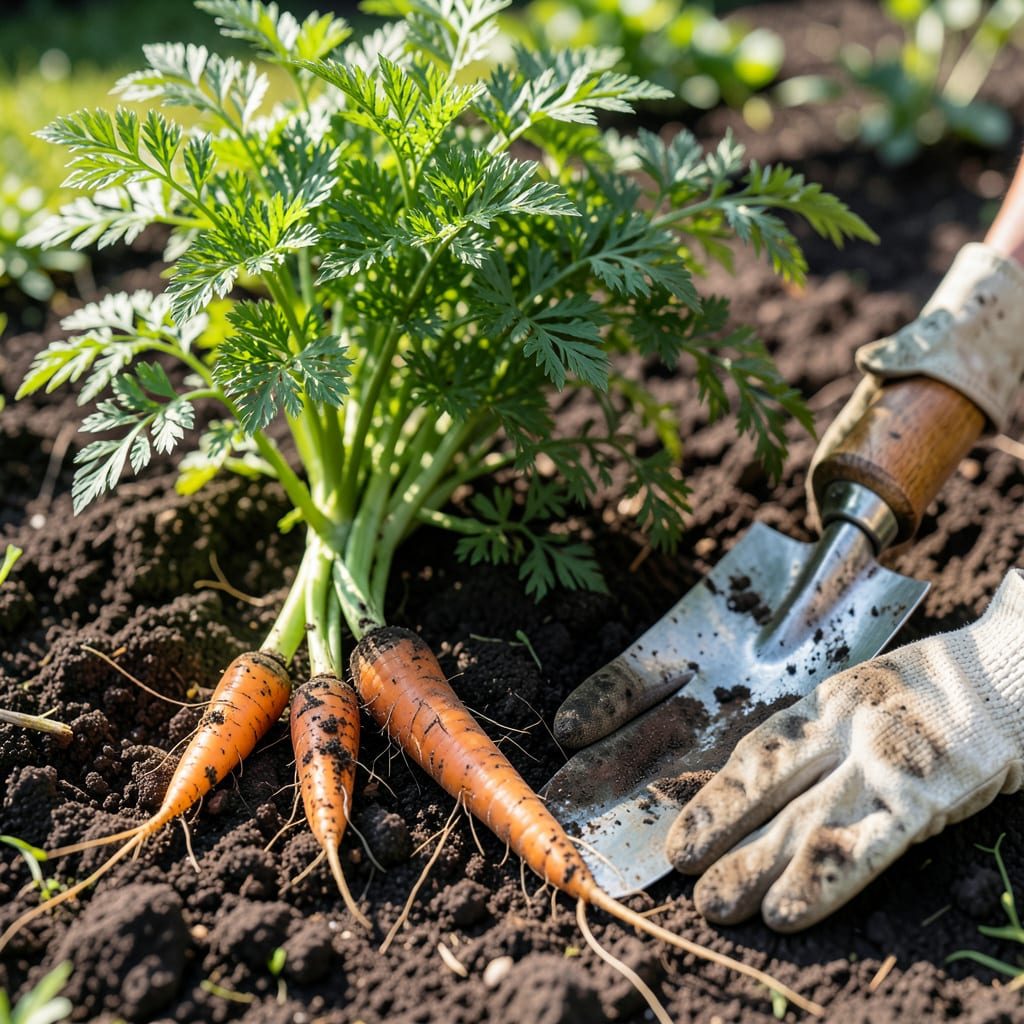
Knowing exactly when to harvest your 🥕 Carrot can mean the difference between sweet, crisp roots and tough disappointments. Timing is everything for this garden favorite.
I’ll show you the key signs to look for, from size to color, so you can pull them at their peak. Let’s make sure your harvest is a success.
Timing your carrot harvest perfectly ensures the best flavor and texture. I always check for visual cues before pulling them from the soil. The most reliable sign is the shoulder diameter peeking above the soil line.
Most varieties reach maturity between 50 to 100 days after planting. I’ve found that 0.75 to 1 inch in diameter is the sweet spot for most homegrown carrots. Color intensity also matters—a vibrant orange or variety-specific hue signals readiness.
| Sign | Description |
|---|---|
| Shoulder Diameter | 0.75-1 inch for mature carrots |
| Color Intensity | Bright orange or variety-specific |
| Foliage Condition | Slight yellowing is normal |
| Days to Maturity | 50-100 days depending on variety |
| Root Size | 6-8 inches long for most types |
Another clue is the foliage condition. When the green tops start to yellow slightly, it often means the roots are ready. But don’t wait too long—overmature carrots can become woody and lose their sweetness.
I like to gently brush away the soil at the base of the plant to check the root size. If the top of the carrot is visible and looks firm and crisp, it’s time to harvest. Baby carrots can be pulled earlier, around 30 to 50 days. 🌱
For early varieties, such as ‘Paris Market’, harvest when they’re about 2 to 3 inches long. These are perfect for snaking or fresh eating. Main crop varieties, like ‘Nantes’, need more time to reach their full size.
If you’re growing rainbow carrots, the color will be more varied. Purple or red varieties often have a deeper hue when ready. Always refer to the seed packet for specific maturity times for your chosen variety.
Weather can also influence harvest timing. In cooler climates, carrots may take longer to mature. If a hard frost is forecasted, it’s best to pull them early to prevent damage. Carrots can handle light frosts, which can even sweeten their flavor. ☀️
Remember, soil conditions play a role too. Carrots grown in loose, well-draining soil will develop more uniformly. If your soil is heavy or compacted, the roots might fork or stunt, making it harder to judge readiness.
Finally, trust your sense of touch. A ready carrot will feel firm to the touch when you gently squeeze the root through the soil. If it feels soft or spongy, it’s not quite ready yet. Happy harvesting! ✂️
Carrots offer versatile harvest options depending on your needs. I love pulling baby carrots early for their tender texture and sweet flavor. These are typically ready when they’re 2 to 3 inches long, usually around 30 to 50 days after planting.
For mature carrots, patience pays off. Most varieties reach their full potential at 6 to 8 inches long, which takes about 75 days. The flavor deepens as they grow, making them perfect for storage or hearty dishes. 🌱
| Stage | Size | Flavor Profile | Best Use |
|---|---|---|---|
| Baby Carrots | 2-3 inches | Extra sweet, tender | Fresh eating |
| Early Carrots | 4-5 inches | Sweet, crisp | Salads, snacks |
| Mature Carrots | 6-8 inches | Rich, earthy | Storage, cooking |
I’ve noticed that ‘Paris Market’ carrots, a round variety, are ideal for container gardening. They mature quickly and are ready at about 2 inches in diameter. Their unique shape makes them a fun addition to any garden.
For main crop varieties like ‘Nantes’ or ‘Danvers’, waiting the full 75 to 100 days ensures the best texture. These carrots develop a sweet, robust flavor that’s perfect for soups or roasting. ☀️
If you’re growing rainbow carrots, the harvest timing remains similar, but the colors add a beautiful touch to meals. Purple and red varieties often have a slightly spicier taste, which mellows when cooked.
Remember, soil type and weather conditions can affect growth rates. Sandy, loose soil helps carrots grow straight and long, while heavy clay can stunt their development. Always check the seed packet for variety-specific guidance. ✂️
Harvesting carrots at the wrong time can ruin months of hard work. I’ve seen premature pulling lead to underdeveloped roots that lack sweetness and texture. Waiting too long, though, can make them woody and bitter. 🌱
Another common error is improper pulling techniques. Yanking carrots by their greens can break the tops, leaving the roots stuck in the soil. Always loosen the soil around the carrot first, then gently pull by the foliage.
⚠️ Warning: Avoid harvesting carrots when the soil is too dry or waterlogged. Dry soil makes pulling difficult, while soggy soil can cause roots to rot before you even get them out of the ground.
I’ve also made the mistake of ignoring weather conditions. A hard frost can damage carrots, so I always check the forecast. If frost is expected, I harvest them early or add a protective mulch layer. ☀️
Storage errors are another pitfall. Leaving freshly harvested carrots in the sun can cause them to wilt quickly. I immediately move mine to a cool, shaded spot and remove the greens to prevent moisture loss.
Lastly, don’t overlook variety-specific timing. Some carrots mature in 50 days, while others need 100 days. Always refer to the seed packet for guidance to avoid guessing. ✂️
Most varieties are ready at 0.75 to 1 inch in diameter. Baby types can be pulled at 2 to 3 inches long, while main crops reach 6 to 8 inches. Always check the seed packet for specifics.
Yes, overmature carrots become woody and bitter. They also risk splitting or rotting in wet soil. Harvest before a hard frost to prevent damage.
First, loosen the soil around the roots with a fork. Then gently pull by the foliage, not the tops. This prevents snapping the greens.
Slight yellowing of greens often signals readiness. But if foliage turns fully yellow or brown, the carrots may be past their prime.
