
Beautiful Plants For Your Interior
Beautiful Plants For Your Interior
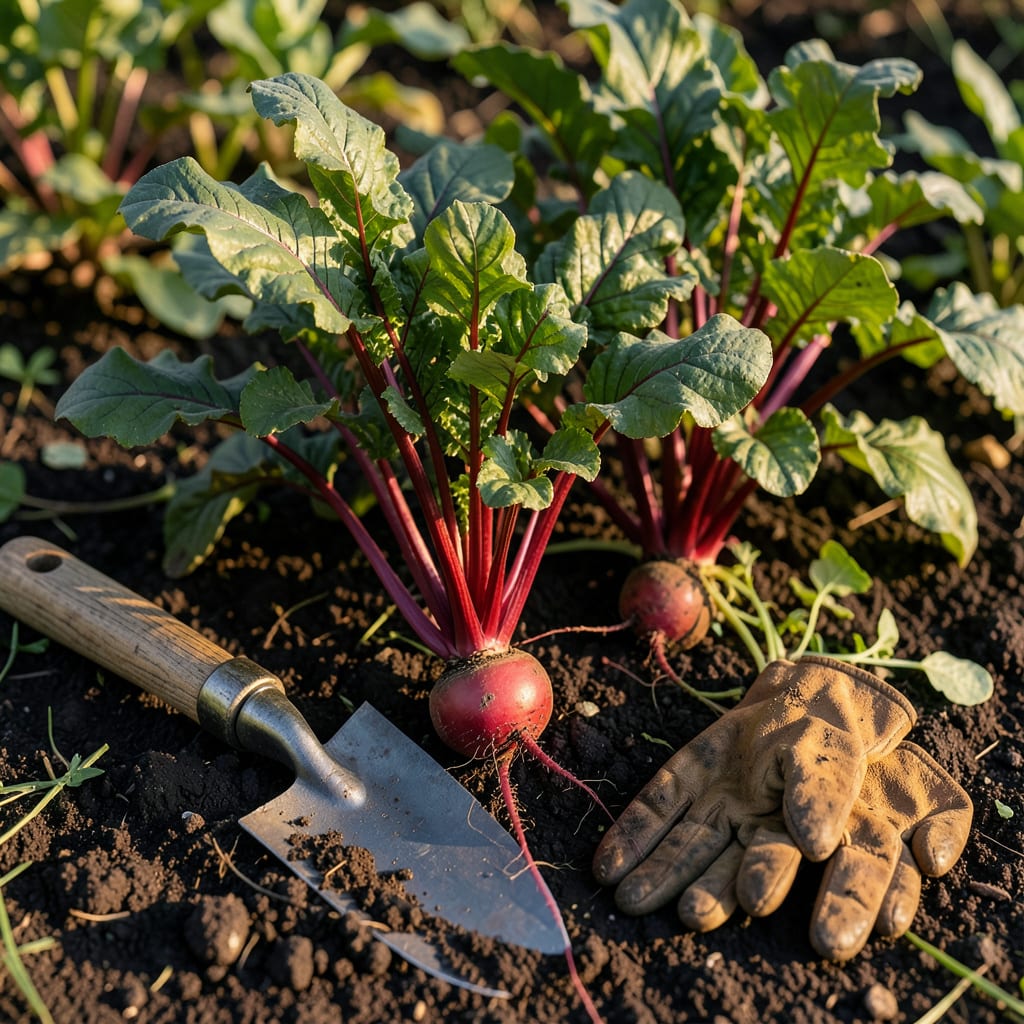
Timing your beet harvest perfectly can transform your crop from tough and bitter to sweet and tender. The 🥬 Beet doesn’t announce when it’s ready, but there are clear signs to watch for.
I’ll show you exactly what to look for above and below the soil. With these simple clues, you’ll know precisely when to pull them for the best flavor and texture.
I’ve learned that beets reveal their readiness through subtle but clear signals. The most reliable indicator is root size—aim for 1-3 inches in diameter for peak sweetness and tenderness.
Another telltale sign is when the shoulders of the beet begin to protrude above the soil line. This makes them easier to spot and confirms they’ve reached a harvestable stage.
| Sign | What to Look For |
|---|---|
| Root Size | 1-3 inches in diameter |
| Shoulder Protrusion | Top of beet visible above soil |
| Leaf Condition | Deep green and healthy |
| Skin Texture | Smooth and firm to touch |
| Days to Maturity | 50-70 days after sowing |
Don’t ignore the leaves—they’ll be vibrant green and full of life when your beets are ready. If they start to yellow or wilt, it might indicate the roots are past their prime.
The skin of a ready beet should feel firm and smooth, not soft or rubbery. Gently brush away some soil to check the texture if you’re unsure.
Most beet varieties reach maturity in 50-70 days, but this can vary. Early varieties like ‘Detroit Dark Red’ may be ready in 50 days, while larger types need closer to 70 days.
If you’re growing baby beets, you can harvest them as soon as they reach 1 inch in diameter. These smaller roots are incredibly tender and perfect for quick pickling or fresh eating.
I always recommend checking a few roots before harvesting the entire crop. Gently dig around one or two to gauge their size and condition. This prevents premature or overdue harvesting.
Remember that overmature beets can become woody and bitter. If left too long, they’ll also develop a tough, fibrous texture that’s hard to reverse.
For the sweetest flavor, harvest beets in the cool morning hours. This is when their sugar content is highest, ensuring the best taste and texture.
Finally, consider your soil conditions. Beets grow best in loose, well-draining soil, so if your ground is compacted, it might affect their development and readiness.
With these signs in mind, you’ll never have to guess when your beets are perfect for picking 🌱
I’ve found that harvest timing dramatically impacts your beets’ flavor and texture. Picking them too early means missing out on their full sweetness, while waiting too long can lead to woody roots.
The ideal window is when beets are 1-3 inches in diameter. At this stage, they’ve developed their maximum sugar content while staying tender. Smaller beets are sweeter but may lack depth of flavor.
Temperature plays a big role in flavor development. Cooler weather, especially light frosts, can actually increase sugar content in beets, making them sweeter than those harvested in warm conditions.
Soil moisture also affects texture. Beets grown in consistent moisture tend to be more tender, while those from dry soil can become tough. I always water evenly in the weeks leading up to harvest.
For storage potential, beets harvested at their peak size store better than overmature ones. The skin should be unblemished and the greens fresh when you pull them from the soil.
I’ve noticed that baby beets harvested at 1 inch have a delicate, almost honey-like sweetness that’s perfect for fresh eating. However, they don’t store as well as their fully mature counterparts.
Timing your harvest right means you’ll enjoy the best of both worlds: sweetness and tenderness in every bite 🌱
I’ve seen many gardeners make simple mistakes that ruin their beet harvest. The most common error is waiting too long to pull them from the soil.
Another frequent misstep is harvesting too small. While baby beets are tender, picking them before they reach 1 inch means missing out on their full flavor potential.
Avoid these errors to protect your beet crop: Don’t pull by greens—it can break the roots. Don’t wait for giant size—they’ll turn woody. Don’t harvest in heat—sweetness drops.
Improper pulling techniques can damage your beets. Always loosen the soil around the roots first, then gently lift them out. Never yank by the leafy tops, as this can separate the greens from the roots.
Many gardeners also overlook post-harvest handling. Leaving beets exposed to sunlight after picking can cause them to dry out or become tough. I always move mine to a shady spot immediately.
Lastly, don’t ignore the greens. If they look wilted or yellowed, it’s often a sign the roots are past their prime. Healthy tops mean a fresh harvest ready for your table.
Steer clear of these mistakes, and you’ll enjoy perfect beets every time 🌱
Gently brush away soil at the base to check the shoulder size. When the top 1-3 inches of the root is visible above soil, they’re ready. Also look for vibrant green leaves about 6 inches tall.
Only up to a point. After reaching 3 inches, they become woody and lose sweetness. However, a light frost can actually increase sugar content, making them sweeter.
Yes, you can carefully snip off outer leaves, leaving 2-3 inches of growth. Avoid removing more than 1/3 of the greens at once to keep roots developing.
Harvest in the cool morning hours when sugar content is highest. This helps preserve their sweet flavor and crisp texture. Avoid harvesting during hot afternoons.
