
Beautiful Plants For Your Interior
Beautiful Plants For Your Interior
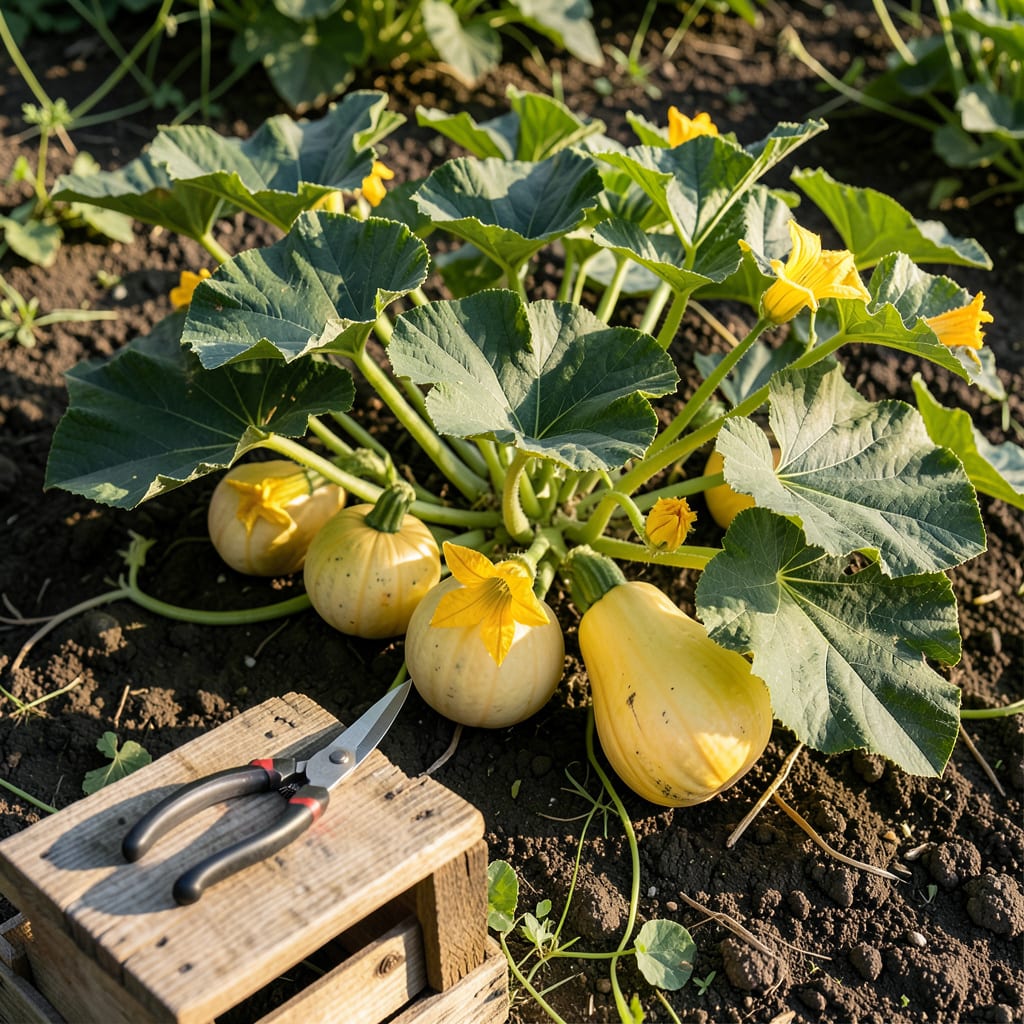
There’s nothing quite like growing your own 🎃 Winter Squash, but timing the harvest can be tricky. Unlike summer varieties, these need to fully mature to reach their peak flavor and storage potential.
I’ll show you the key signs to look for, from rind hardness to stem changes. With these tips, you’ll know exactly when your crop is ready to pick.


I always start with the rind hardness test—it’s the most reliable way to check if your winter squash is ready. Press your thumbnail into the skin. If it resists puncture, the squash is mature. This works for butternut, acorn, and pumpkin varieties. A soft rind means it needs more time on the vine.
A fully mature winter squash will have a deep, consistent color. For example, butternut turns a rich tan, while acorn squash develops a dark green hue. The color should be uniform, with no pale or streaky spots. This visual cue works alongside the rind test for confirmation.
| Variety | Rind Test | Color Cue |
|---|---|---|
| Butternut | Hard, no puncture | Rich tan/brown |
| Acorn | Firm, resists pressure | Dark green |
| Pumpkin | Thick, tough skin | Deep orange |
The rind test is my go-to because it’s foolproof. If your thumbnail leaves a mark or punctures the skin, the squash isn’t ready. This test ensures the fruit is mature enough for storage. Winter squash needs this hardness to prevent spoilage during storage.
Another sign is the vines dying back. As the squash matures, the vines start to yellow and wither. This is nature’s way of telling you the plant has finished its job. However, don’t rely on this alone—always combine it with the rind test for accuracy.
For pumpkins and larger varieties, the ground spot (where it touches the soil) turns from white to a creamy yellow or orange. This is a great secondary indicator. But remember, the rind test is still the most important check for all types.
If you’re growing spaghetti squash, the rind should be hard and the color a pale yellow. The stem will also start to dry and turn woody. These combined signs mean it’s time to harvest. I’ve found that spaghetti squash can be tricky, so double-check with the thumbnail test.
Timing matters too. Most winter squash varieties take 80–120 days to mature. If you planted in spring, start checking around late summer. Keep an eye on the weather—harvest before the first frost, as cold temperatures can damage the squash.
I always recommend harvesting on a dry, sunny day. This helps the squash cure properly, which extends its storage life. Avoid picking when the vines or fruit are wet, as this can introduce rot. A little patience ensures you get the best flavor and longest storage time.
Once you’ve confirmed the squash is ready, use pruning shears or a sharp knife to cut the stem, leaving 2–3 inches attached. This helps prevent rot during storage. Never carry the squash by the stem, as it can break and reduce shelf life.
By mastering the rind test and combining it with visual cues, you’ll harvest winter squash at its peak every time. This ensures sweet, flavorful squash that stores well for months. It’s a simple test, but it makes all the difference. 🌱
I always check the stem first when determining if my 🎃 winter squash is ready. A green, flexible stem means it’s still maturing, while a dry, woody stem signals it’s harvest time.
The stem’s transformation from soft and green to hard and brown happens as the squash matures. This change ensures the fruit has reached its full sugar content and developed a protective rind. ✂️
How to Check the Stem:
If the stem is partially dry but not fully woody, I give it a few more days in the garden. Rushing this stage can lead to poor storage life and underdeveloped flavor.
Another tip: vines may die back as the squash nears maturity. This is a natural sign that your crop is almost ready. Don’t panic—it’s part of the process! 🌿
I’ve found that butternut squash stems dry out slightly faster than acorn squash. Monitoring daily helps me catch the perfect harvest window for each variety.
Remember, the stem test works best when combined with the rind hardness test. Together, they give me confidence that my squash is truly ready for storage. 🌱
I’ve seen many gardeners rush the harvest, but picking winter squash too early is one of the biggest mistakes. If the rind isn’t hard or the stem is still green, the squash won’t store well or develop its full flavor. Patience is key here.
Another common error is using improper cutting tools. Never twist or pull the squash from the vine—this can damage both the fruit and plant. Instead, use clean pruning shears to make a clean cut. ✂️
⚠️ Avoid These Harvesting Errors:
Leaving the stem too short is another issue. Always leave 2–3 inches of stem attached to prevent moisture loss and rot. A missing or damaged stem can lead to early spoilage during storage.
Timing also matters with weather conditions. Harvesting during or after rain can introduce fungal diseases. I always wait for a dry, sunny day to pick my squash, ensuring the best start for curing and storage.
Finally, don’t ignore the first frost date. Winter squash must be harvested before frost hits, as cold temperatures can ruin the crop. I mark my calendar and check the forecast as fall approaches to avoid this costly mistake. 🌱
Harvesting too soon results in poor flavor and short storage life. The squash won’t develop its sweet, rich taste and the soft rind can’t protect it from spoilage. Always wait for the hard rind and dry stem signs.
No, frost can damage the squash and ruin its quality. Always harvest before the first frost date in your area. Check the forecast and pick during a dry, sunny day for best results.
Store in a cool, dry place with good air circulation. Keep the stem intact and avoid stacking to prevent rot. Properly cured squash can last 2-6 months in storage.
Most share the same maturity signs, but colors vary by type. Butternut turns tan, acorn stays dark green, and pumpkins become deep orange. Always use the rind test for confirmation.
