
Beautiful Plants For Your Interior
Beautiful Plants For Your Interior
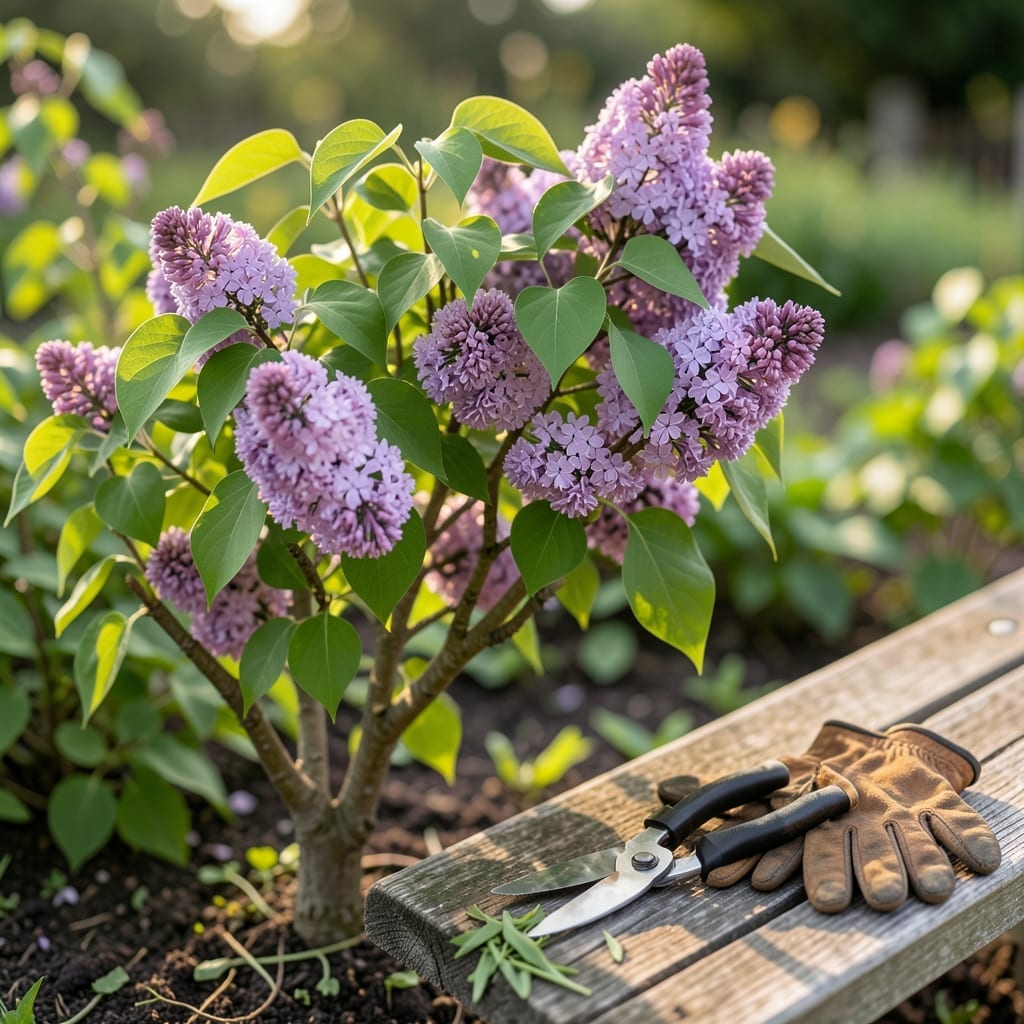
Timing your lilac bush trimming wrong can cost you a season of blooms. That beautiful 🌸 Lilac in your yard deserves the best care to thrive and produce vibrant flowers year after year.
I’ve seen too many gardeners accidentally prune at the wrong time, only to miss out on those gorgeous spring blossoms. The good news? There’s a simple, science-backed window that ensures your Lilac stays healthy and blooms abundantly.
Discover the exact timing and techniques to keep your shrub looking its best while avoiding common pruning pitfalls. Let’s get started.
I get asked this question a lot: when is the best time to trim lilac bushes? The answer is simple but critical for next year’s blooms. You should prune immediately after the flowers fade in late spring or early summer. ✂️
This timing works because lilacs set their next year’s flower buds right after the current blooms die back. If you wait too long, you risk cutting off those new buds and missing out on flowers.
💡 Pro Tip: For common lilacs (Syringa vulgaris), prune within 2 weeks of the last bloom fading. This gives the plant time to develop new growth and flower buds for next season.
The biological reason behind this timing is fascinating. Lilacs bloom on old wood, meaning the buds that will open next spring form on the previous year’s growth. Pruning too late in summer or in fall removes these buds.
For gardeners in colder climates (USDA zones 3-5), stick to this late spring window. In warmer zones (6-7), you might have a slightly longer window, but don’t push it past mid-summer. 🌡️
If your lilac is a reblooming variety like ‘Bloomerang’, it can flower again later in summer. Even then, I recommend pruning right after the first flush of blooms to encourage a second round.
Dead or diseased branches are the exception to this rule. You can remove these any time of year. In fact, I encourage it—it keeps your plant healthy and prevents the spread of disease. ✂️
For young lilacs, focus on shaping rather than heavy pruning. Remove any crossing branches or suckers at the base. This helps establish a strong structure for future blooms.
Remember, lilacs are hardy plants, but they reward good timing with abundant flowers. A little patience and attention to their natural cycle will give you the best results year after year. 🌸
If you’re unsure whether your lilac has finished blooming, look for brown flower clusters. Once they’ve all turned brown and started to drop, that’s your signal to grab the pruners.
Pruning lilacs at the wrong time can leave you with a bloomless shrub next year. If you trim in fall or winter, you’re likely cutting off the flower buds that have already formed for the next season. ✂️
Lilacs produce their flower buds on old wood, meaning the growth from the previous year. Pruning in late summer or later removes these buds, leaving your plant with far fewer flowers or none at all.
Reduces or eliminates blooms and stresses the plant.
If you’ve already pruned at the wrong time, don’t panic. Lilacs are resilient plants. Focus on proper care, like watering deeply and ensuring full sun exposure, to help recovery. 💧
Another risk of off-season pruning is increased disease susceptibility. Open cuts in cold, wet weather can invite fungal infections. Always prune on a dry, sunny day to minimize risks. ☀️
For early spring pruning, you might still get some blooms, but they’ll likely be sparser. The plant uses energy reserved for flowers to recover from the cuts instead.
If you notice no flowers after pruning, it’s a clear sign you trimmed at the wrong time. Next year, wait until right after blooming to prune. Your lilac will thank you with a burst of color. 🌸