
Beautiful Plants For Your Interior
Beautiful Plants For Your Interior
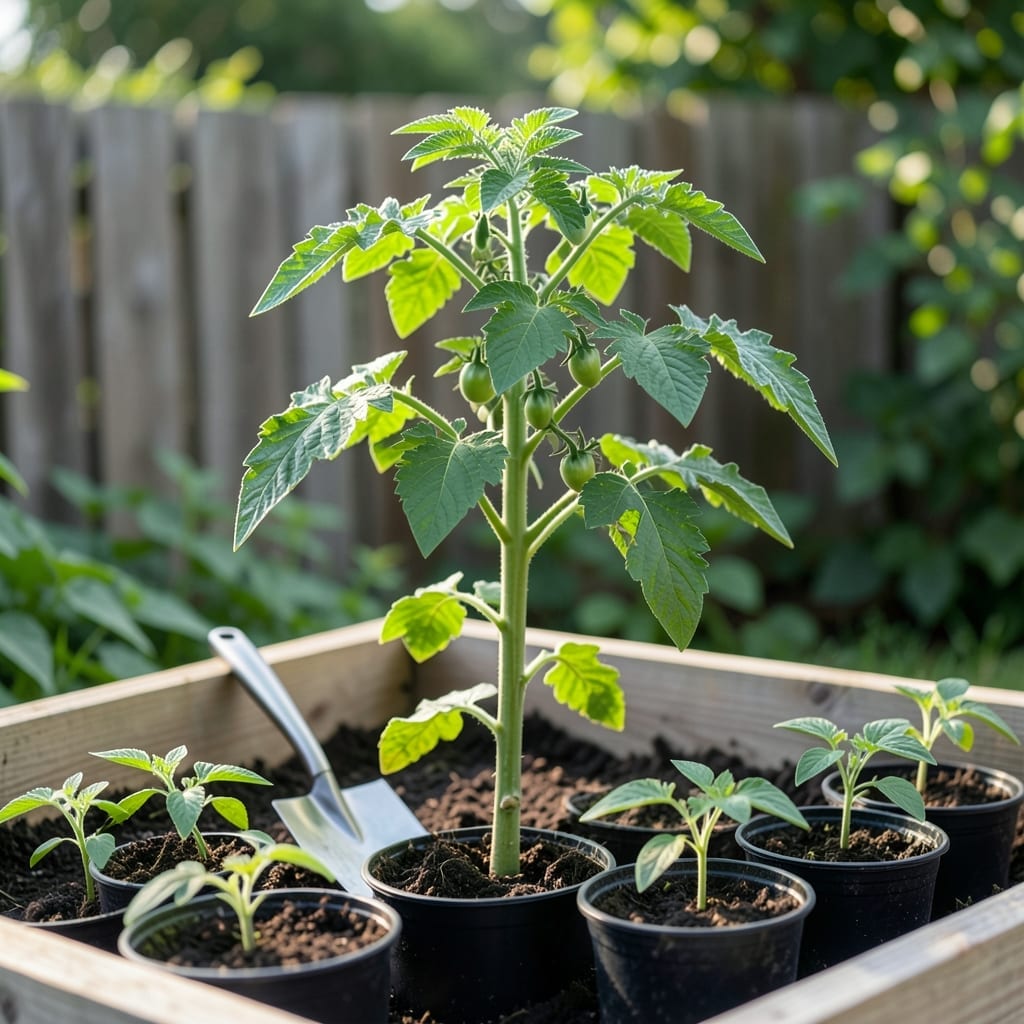
California’s diverse climate zones make it a gardener’s paradise, but timing is everything for the best harvests. Whether you’re near the foggy coast or in the warm central valleys, knowing when to plant can transform your garden.
The Golden State’s unique microclimates allow for year-round growing, yet each region has its own rhythm. From cool-season greens to heat-loving peppers, the 🥕 Vegetables you choose must match your local conditions.
I’ve spent years testing planting schedules across California, and the results might surprise you. Even in 10a, small adjustments can lead to bigger, healthier yields.
Discover how to align your planting calendar with nature’s cues. With the right timing, you’ll enjoy fresh produce almost any month of the year.
California’s unique climate diversity means planting times vary dramatically. From the cool coastal fog of San Francisco to the scorching deserts of Palm Springs, each region has its own rhythm. I’ve found that understanding your local microclimate is the first step to success.
In coastal areas, mild temperatures allow for year-round planting of cool-season crops like lettuce and spinach. However, warm-season vegetables like tomatoes and peppers need the soil to warm up in late spring.
| Region | Cool-Season Crops | Warm-Season Crops |
|---|---|---|
| Coastal | Year-round | Apr–Jun, Aug–Sep |
| Inland Valleys | Feb–Mar, Sep–Oct | Apr–Jun, Jul for fast varieties |
| Desert | Oct–Feb | Feb–Mar, Aug–Sep |
| Mountains | May–Jun, Jul for cold-hardy | Late May–Jun only |
For inland valleys like Sacramento, I recommend starting cool-season crops in early spring or fall. These areas experience hot summers, so heat-tolerant varieties are essential for summer planting.
The desert regions present a unique challenge. I’ve learned to plant cool-season vegetables in winter when temperatures are milder. Warm-season crops go in very early spring or late summer to avoid the intense summer heat.
In the mountain zones, the growing season is much shorter. I always wait until after the last frost (usually late spring) to plant anything sensitive to cold. Even then, frost cloth can be a gardener’s best friend for extending the season.
No matter your region, soil temperature is crucial. I use a soil thermometer to check that it’s at least 60°F for warm-season crops. For cool-season varieties, 40–60°F is ideal.
Don’t forget about succession planting. In areas with long growing seasons, I plant fast-growing crops like radishes or bush beans every 2–3 weeks for continuous harvests. This technique works especially well in coastal California.
Microclimates can vary even within your own yard. I’ve noticed that a south-facing wall can create a warmer spot perfect for heat-loving plants, while a shady corner might be ideal for leafy greens during summer.
Finally, always check your local frost dates. While coastal areas might never see frost, inland and mountain regions have very defined growing seasons. I mark these dates on my calendar every year to stay on track.
With this zone-specific approach, you’ll maximize your harvest and minimize disappointments. Happy planting 🌱
California’s mild winters and long growing seasons allow for year-round vegetable gardening. I’ve found that cool-season crops like lettuce and spinach thrive in spring and fall. These are perfect for coastal and inland areas where temperatures stay moderate.
For summer, focus on heat-tolerant varieties like tomatoes, peppers, and cucumbers. These need full sun and consistent watering to produce their best yields. Inland valleys are ideal for these warm-season favorites.
Winter planting is trickier but doable in coastal regions. I’ve had success with garlic and onions, which can handle cooler temperatures. These crops establish roots during winter and grow rapidly as the weather warms.
Desert areas require extra care. Avoid mid-summer planting due to extreme heat. Instead, start seeds indoors or use shade cloth to protect young plants. I recommend early morning planting to reduce stress on seedlings.
Mountain regions have shorter growing seasons. Focus on fast-maturing varieties like bush beans and leaf lettuce. Use row covers to extend the season and protect from unexpected frosts.
No matter your region, soil preparation is key. I always amend with compost before planting to ensure nutrient-rich soil. This simple step boosts growth and improves yields across all seasons. ☀️