
Beautiful Plants For Your Interior
Beautiful Plants For Your Interior
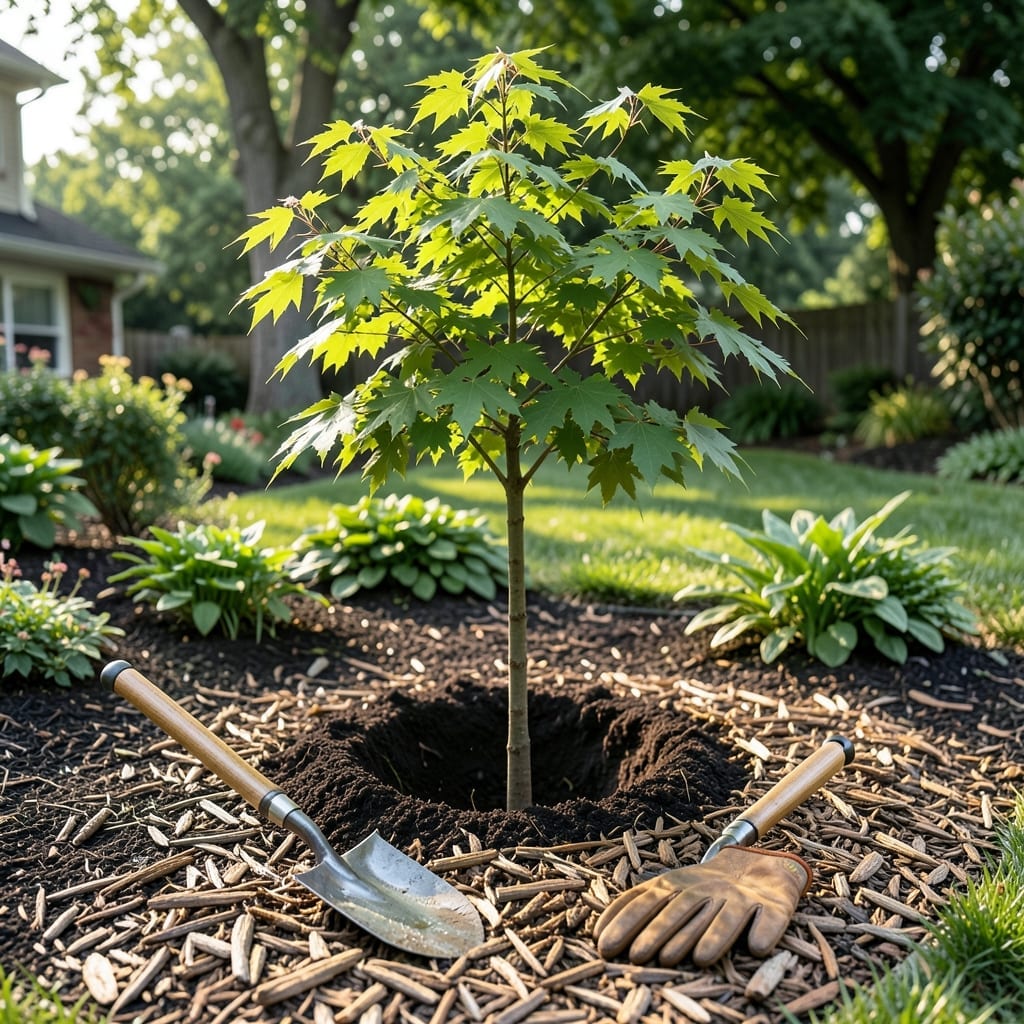
Timing is everything when planting 🌳 trees in Wisconsin—plant too early or too late, and your saplings may struggle to survive the state’s harsh winters or sweltering summers.
Discovering the ideal windows for zones 4b-5a can make all the difference for your Tree’s growth. The right timing ensures your Tree establishes strong roots before extreme weather hits.
Whether you’re planting in spring or fall, understanding Wisconsin’s unique climate is the key to success. I’ll walk you through the best approach for each season.
Learn how to align your planting schedule with nature’s rhythm. Your Tree will thank you with years of healthy growth and beauty.
Wisconsin spans USDA zones 3-5, and timing your tree planting right is crucial. In zone 3, aim for late April to early May or early September to avoid frost damage. Zone 4 offers a slightly wider window. 🌳
The best planting times vary by region. In zone 5, you can plant from early April to mid-May or late September to mid-October. These windows ensure root establishment before extreme weather hits.
| Zone | Spring Window | Fall Window | Key Consideration |
|---|---|---|---|
| 3 | Late April – Early May | Early September | Avoid late frosts |
| 4 | Mid April – Mid May | Early to Mid September | Soil workability |
| 5 | Early April – Mid May | Late September – Mid October | Longer growing season |
Spring planting allows trees to establish roots before summer heat. However, fall planting can be ideal as it gives roots time to grow before winter dormancy. I always check soil temperature—it should be above 40°F. ✂️
In northern Wisconsin, the growing season is shorter. Here, early spring planting is often better. In southern zones, you have more flexibility, but avoid planting during summer droughts. 🌡️
For deciduous trees like sugar maples, early spring is ideal. They need time to develop strong root systems before winter. Evergreens like white pines do well with fall planting in most zones.
I always recommend testing soil moisture before planting. If the soil is waterlogged from spring rains, wait a few days. For fall planting, ensure trees are in the ground 6 weeks before the first hard frost. ☀️
Container-grown trees can be planted anytime during the growing season. But for bare-root trees, stick to early spring or fall. This gives them the best chance to adapt to their new home. 🌿
Remember, mulching after planting helps retain moisture and regulate soil temperature. I use 2-3 inches of organic mulch, keeping it away from the trunk to prevent rot. This simple step can boost survival rates significantly.
Wisconsin’s climate variability means you should always check local conditions. A late spring frost or early fall freeze can impact your planting schedule. When in doubt, consult your local extension office for zone-specific advice. 💧
Choosing between spring or fall planting in Wisconsin depends on your tree type and local climate. Both seasons offer unique advantages for root establishment and growth.
I’ve found that spring planting allows trees to grow roots before summer heat, while fall planting gives them a head start before winter dormancy.
In my experience, deciduous trees like sugar maples thrive when planted in early spring, while evergreens often prefer fall planting.
For Wisconsin’s zones 4b-5a, aim for April-May or September-October. These windows avoid extreme temperatures and give roots time to establish.
Always mulch after planting to retain moisture and regulate soil temperature, which is especially important in Wisconsin’s variable climate. 🌳