
Beautiful Plants For Your Interior
Beautiful Plants For Your Interior
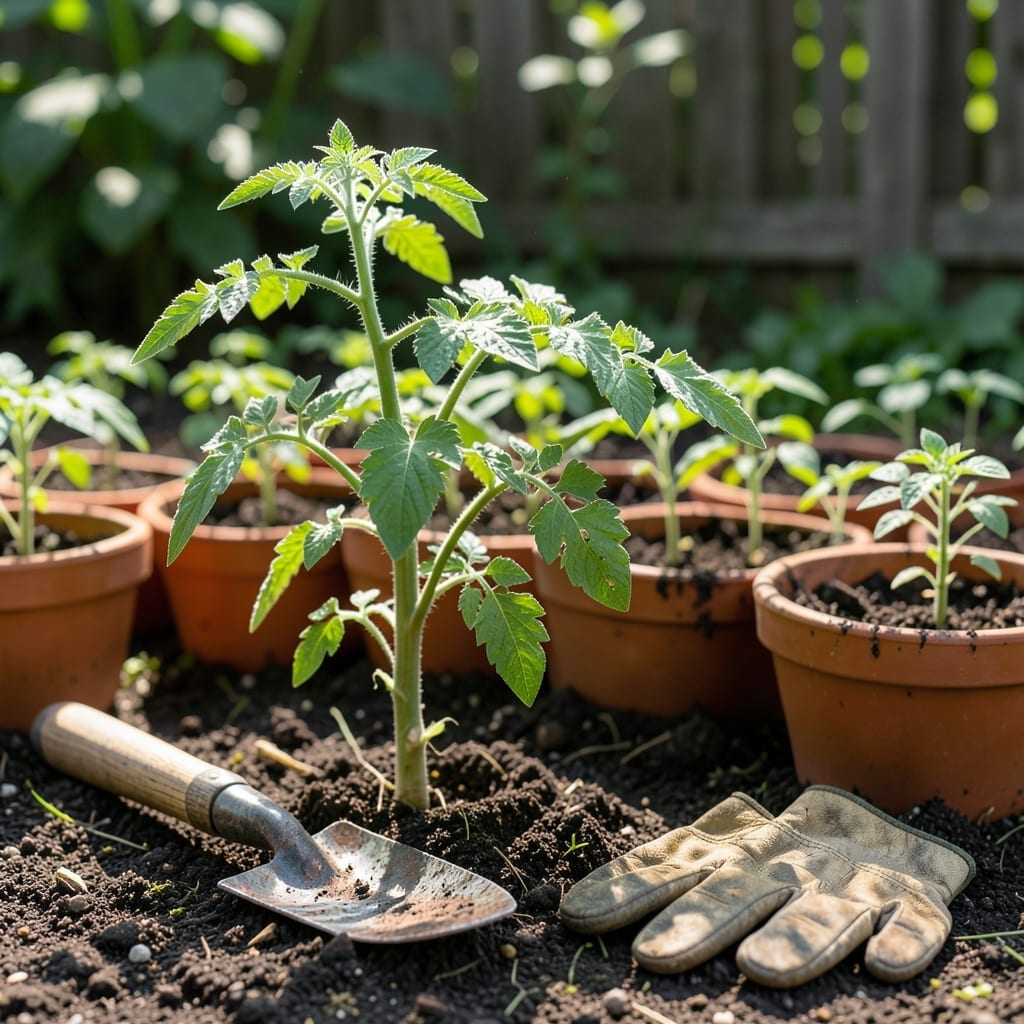
Timing is everything when planting a 🌱 Garden in Michigan—plant too early and frost can wipe out your seedlings, too late and you’ll miss the growing season.
As someone who’s learned this the hard way, I know getting that timing right makes all the difference. Michigan’s 5b-6a zones have unique challenges that can trip up even experienced gardeners.
What if you could confidently know exactly when to start your seeds or transplant your seedlings for maximum success? This isn’t about luck—it’s about understanding your local climate.
Let me walk you through the perfect planting windows for our state, so you can enjoy a thriving garden without the guesswork. The right timing turns good intentions into bountiful harvests.
Michigan spans USDA zones 4-6, with the Upper Peninsula in cooler zones and Lower Peninsula in warmer ones. This variation means your planting window shifts significantly by region.
For most of Lower Michigan (zones 5b-6a), the last frost date is around May 15, while the Upper Peninsula may see frost until June 1. Always check your local frost dates for precision.
| Crop Type | Planting Window | Soil Temp Requirement |
|---|---|---|
| Cool-Season Vegetables | April – Early May | 40-50°F |
| Warm-Season Vegetables | Mid-May – June | 60-70°F |
| Perennial Flowers | Spring or Fall | 50-60°F |
| Herbs | After last frost | 55-65°F |
In zone 5b (Detroit, Lansing), I start peas and spinach in early April as they tolerate light frost. Tomatoes and peppers wait until mid-May when soil warms to 60°F.
For zone 4 (Upper Peninsula), I delay planting warm-season crops until early June. The shorter season means I prioritize fast-maturing varieties like bush beans or early tomatoes.
Soil temperature is critical. I use a soil thermometer to check conditions before planting. Cool crops like lettuce germinate at 40°F, but corn needs at least 55°F.
In zone 6a (Grand Rapids, Kalamazoo), I can plant carrots and beets in late March under row covers. This protects them from late frosts while giving them a head start.
For flowers, I plant pansies in early spring as they handle cold. Marigolds and zinnias go in after the last frost when the soil is warm enough for their roots.
I always recommend succession planting for crops like radishes and lettuce. Plant new seeds every 2-3 weeks to extend your harvest through fall.
Remember, Michigan’s growing season is about 150 days in most areas. Plan your planting schedule to maximize this window, and don’t forget to account for fall frosts starting in October.
Using cold frames or hoop houses can extend your season by 4-6 weeks on either end, letting you plant earlier in spring and harvest later into fall. 🌱
Michigan’s cool springs and warm summers create ideal windows for different crops. I always start with cool-season vegetables that thrive in 40-60°F soil, giving them a head start before summer heat arrives.
For early planting, focus on peas, lettuce, spinach, and radishes. These can go in the ground 4-6 weeks before the last frost, typically late March to early April in Lower Michigan.
| Crop Type | Planting Time | Examples |
|---|---|---|
| Cool-Season | Early Spring/Fall | Peas, Lettuce, Spinach |
| Warm-Season | After Last Frost | Tomatoes, Peppers, Corn |
Once the soil warms to 60°F and all frost danger passes—usually mid-May—I switch to warm-season crops. Tomatoes, peppers, and corn need this warmth to grow strong and productive.
For fall harvesting, I plant another round of cool-season crops in late summer. Kale, carrots, and beets can handle light frosts, extending my garden’s productivity into October.
I’ve found that succession planting works wonders. After harvesting early lettuce, I immediately plant bush beans in the same space. This keeps my garden productive all season without waste.