
Beautiful Plants For Your Interior
Beautiful Plants For Your Interior
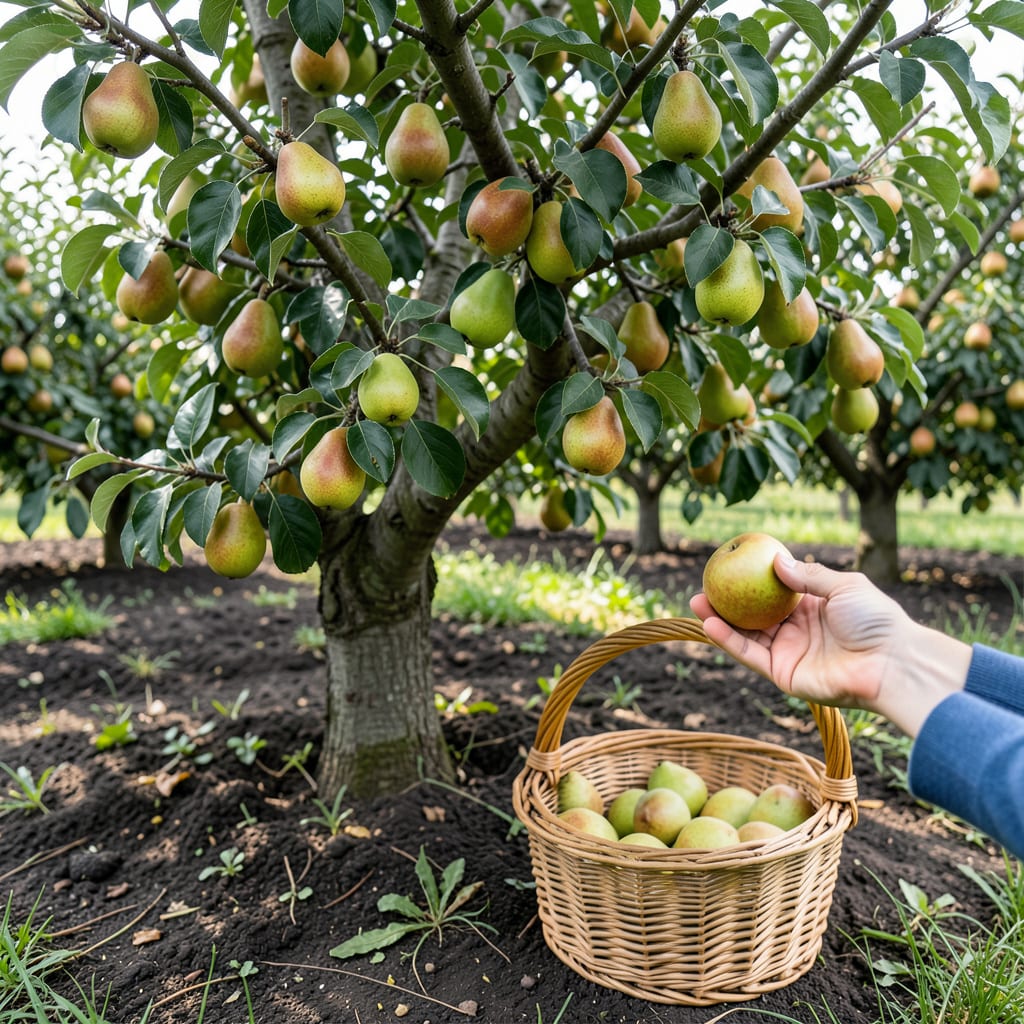
Picking Pear 🍐 at just the right moment makes all the difference between a crisp, sweet bite and a mealy letdown. Unlike other fruits, they won’t ripen properly on the tree.
I’ll show you how to spot the perfect window—usually from late summer to early fall—and what signs to look for before you harvest. Let’s get it right the first time.


Timing your pear harvest perfectly starts with knowing your tree variety. Each type has unique ripeness cues, from color shifts to days after bloom. I’ve found Bartlett pears often turn yellow when ready.
For Anjou or Bosc, look for a subtle color change and a slight softening at the stem. Remember, pears ripen off the tree, so don’t wait for full softness before picking.
| header-cell” style=”border-color:#6fd544″>Days After Bloom | body-cell” style=”border-color:#6fd544″>Green to Yellow | body-row”> | body-cell” style=”border-color:#6fd544″>Green to Yellow-Green | body-row”> | body-cell” style=”border-color:#6fd544″>Green to Russet Brown | 140-160 |
|---|
The tilt test works well for most pears. Gently lift the fruit and tilt it sideways. If it separates easily from the branch, it’s ready to pick.
For Bosc pears, the russeting becomes more pronounced. Anjou pears may not change color as dramatically, so I rely on the days after bloom count.
I always check the stem end for a slight softening. If it yields to gentle pressure, the pear is at its optimal harvest window. This is especially true for Bartletts.
Remember that early varieties like Bartlett ripen in late summer, while late varieties such as Bosc may need until early fall. Climate affects this, so adjust based on your local conditions.
If you’re growing Asian pears, they’re different. These often ripen on the tree and should be picked when fully crisp and sweet. Look for a golden hue and a strong aroma.
For all varieties, morning harvesting works best. The fruit is firmer, and the cool temperatures help preserve freshness. I use a gentle twisting motion to avoid damaging the tree or fruit.
Finally, taste testing a few pears helps confirm readiness. If they’re still hard and tasteless, wait a few more days. Pears picked at the right time will ripen beautifully indoors. ☀️
Knowing when to pick pears can be tricky since they ripen off the tree. I rely on three simple tests to confirm they’re ready. These methods ensure I harvest at the peak moment every time.
First, the tilt test is my go-to. I gently lift the pear and tilt it horizontally. If it detaches easily, it’s ready to pick. This works for most varieties like Bartlett and Anjou. 🌿
Next, the stem separation test helps. I gently twist the pear while it’s still on the branch. If the stem detaches cleanly, it’s time to harvest. This is especially useful for Bosc pears.
The gentle pressure test is another reliable method. I press near the stem end with my thumb. A slight give indicates the pear is at the right stage. Avoid squeezing too hard, as this can bruise the fruit.
I avoid waiting for pears to soften on the tree, as they won’t ripen properly. Instead, I pick them firm but mature and let them ripen indoors. This method ensures sweet, juicy pears every time.
For Asian pears, the approach is different. These should be picked when fully crisp and sweet on the tree. Look for a golden color and a strong, sweet aroma at the stem.
Harvest in the cool morning hours to keep fruits firm. I always handle pears gently to prevent bruising. With these tests, I consistently get the best harvest from my trees. ✂️
Even experienced gardeners make harvesting mistakes with pears. I’ve learned that picking too early or too late can ruin the entire crop. Pears won’t ripen properly if left on the tree too long.
One common error is waiting for softness on the tree. Pears should be picked firm but mature and allowed to ripen indoors. If you wait for them to soften outside, they’ll often become mealy or overripe.
Picking too early results in hard, tasteless fruit.
Picking too late leads to mushy, overripe pears.
Ignoring variety-specific signs can mean missing the window.
Another mistake is ignoring variety-specific signs. Bartlett pears turn yellow when ready, while Bosc pears develop a russet color. Anjou pears may not change color much, so I count the days after bloom.
Improper storage after harvest can also cause problems. Pears should be stored in a cool, dry place to ripen evenly. Avoid stacking them too high, as this can lead to bruising or uneven ripening.
Finally, rough handling during picking can damage the fruit. I always use a gentle twisting motion and handle pears with care. With these tips, you’ll avoid the most common pitfalls and enjoy a perfect pear harvest. 🌳
Check the stem end for a slight give when pressed with your thumb. Pears ripen off the tree, so they should be picked firm but will soften indoors over 2-3 days.
Varieties like Anjou and Bosc don’t change color dramatically. Instead, look for subtle shifts to yellow-green or russet and use the tilt test to confirm readiness.
Avoid harvesting wet fruit as it can spread disease. Wait for dry conditions and pick in the cool morning hours for best results.
They’ll remain hard and tasteless, even after ripening indoors. Always wait until they pass the tilt test and show variety-specific signs.
