
Beautiful Plants For Your Interior
Beautiful Plants For Your Interior
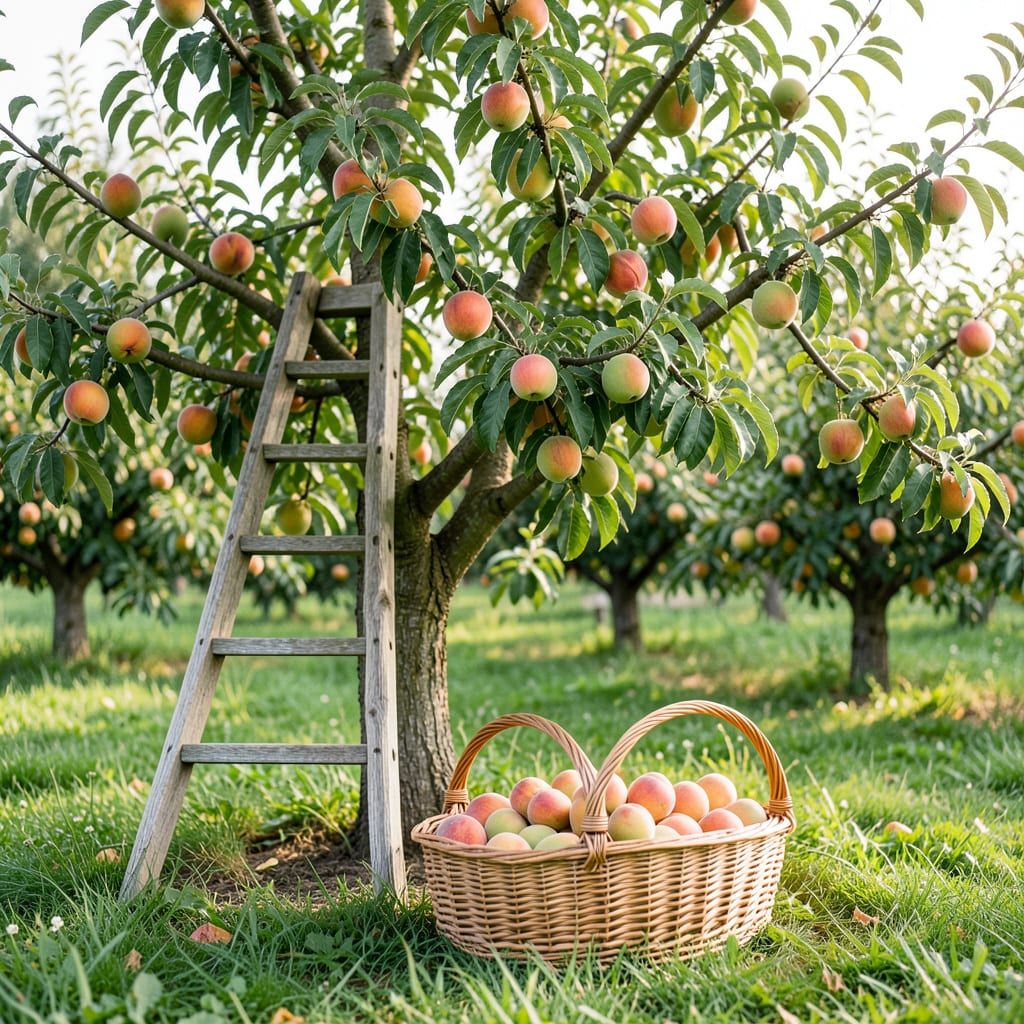
Nothing beats biting into a perfectly ripe 🍑 peach—juicy, sweet, and bursting with flavor. But how do you know it’s ready to pick?
Timing is everything with Peach trees. I’ll show you the key signs to watch for and when to harvest for that ideal taste, whether you’re in zone 5-8 or elsewhere.


The best time to pick peaches depends on your variety and climate zone. Early-season types like Redhaven ripen in June-July, while late varieties such as Elberta may wait until August-September. 🌳
In USDA zones 5-8, most peaches reach maturity between 90-150 days after flowering. Warmer zones see earlier harvests, while cooler areas may need extra weeks. The key is watching the fruit, not just the calendar. ☀️
| Variety | Harvest Window | Days to Maturity | USDA Zones |
|---|---|---|---|
| Redhaven | June-July | 100-110 | 5-8 |
| Elberta | July-August | 120-140 | 5-9 |
| Donut Peach | July-August | 110-130 | 6-8 |
| Contender | August-September | 130-150 | 4-8 |
For clingstone peaches, the flesh clings to the pit, so they’re best for canning or preserving. These often ripen 1-2 weeks earlier than freestone types, which separate easily from the pit. 🌿
Freestone peaches like Suncrest are ideal for fresh eating. They typically need 120-140 days to mature. In zone 7, I’ve found they’re ready around mid-July if spring was warm. 🌱
In cooler climates (zone 5), peaches may take 10-14 extra days to ripen. Watch for color changes from green to golden-yellow as your primary indicator. A slight softness at the stem end is another clue.
For dwarf peach trees, the timeline is similar, but the fruit may ripen a week earlier due to their compact size. These are great for container gardening in patios or small yards. ✂️
If you’re in zone 9 or warmer, you might harvest peaches as early as May for early varieties. However, chill hours are critical—most peaches need 600-900 hours below 45°F to set fruit properly.
Remember, microclimates matter! A south-facing wall or urban heat island can speed up ripening. I always check my local extension office for adjusted timelines based on recent weather patterns. 💧
Finally, taste testing is the best way to confirm ripeness. Sample one or two fruits before harvesting the whole tree. If they’re sweet and juicy, it’s time to pick the rest! 🌻
Identifying a ripe peach starts with its color transformation. As it matures, the fruit shifts from green to golden-yellow or deep red, depending on the variety. This change is most noticeable on the side exposed to sunlight. ☀️
The stem end should show a slight softness when gently pressed. If it’s rock-hard, the peach needs more time. A fully ripe peach will also separate easily from the branch with a gentle twist. 🌱
Avoid picking based on size alone. Some varieties stay small but are perfectly ripe. Instead, trust the tactile test—a ripe peach feels slightly soft, like a ripe avocado. 🌿
Another pro tip: smell the stem end. A ripe peach emits a sweet, floral aroma. If there’s no scent, it’s not ready. This is especially useful for freestone peaches, which are often sweeter. 🌳
In my experience, early morning is the best time to check for ripeness. The fruit is firm after a cool night, making it easier to assess true softness as the day warms up. 💧
Finally, taste test one before harvesting the whole tree. If it’s juicy and sweet, the rest are likely ready. If it’s tart or hard, wait another 2-3 days and check again. ✂️
Once you’ve harvested your peaches, proper post-harvest care ensures they stay juicy and flavorful. Store them at room temperature if they need to ripen further, but move them to the refrigerator once fully ripe. 🌿
If your peaches are slightly underripe, place them in a paper bag with a banana or apple. The ethylene gas they release speeds up ripening. Check daily to avoid overripening. ☀️
Pro Tip: Handle peaches gently to avoid bruising. Store them stem-side down to prevent juice leakage and keep them fresh for 3-5 days in the fridge.
Inspect your peaches for signs of spoilage, like mushy spots or mold. Discard any damaged fruit immediately to prevent it from affecting the rest. A dry, wrinkled skin indicates overripeness. 🌱
For long-term storage, consider freezing or canning your peaches. Slice and pit them, then treat with lemon juice to prevent browning before freezing. This preserves their flavor for months. ✂️
Remember, freshly picked peaches taste best when enjoyed within a few days. Share extras with neighbors or use them in homemade preserves to extend their shelf life. 💧
Look for a golden-yellow or deep red color with no green near the stem. It should yield slightly to gentle pressure and have a sweet aroma at the stem end.
Early-picked peaches will be hard and tart, lacking sweetness. They won’t ripen properly off the tree, even if stored. Always wait for the color change and softness first.
Place underripe peaches in a paper bag with a banana or apple. The ethylene gas will help them ripen in 1-2 days. Check daily to avoid overripening.
At room temperature, they last 2-3 days. For longer storage, refrigerate them stem-side down for 3-5 days or freeze for months.
