
Beautiful Plants For Your Interior
Beautiful Plants For Your Interior
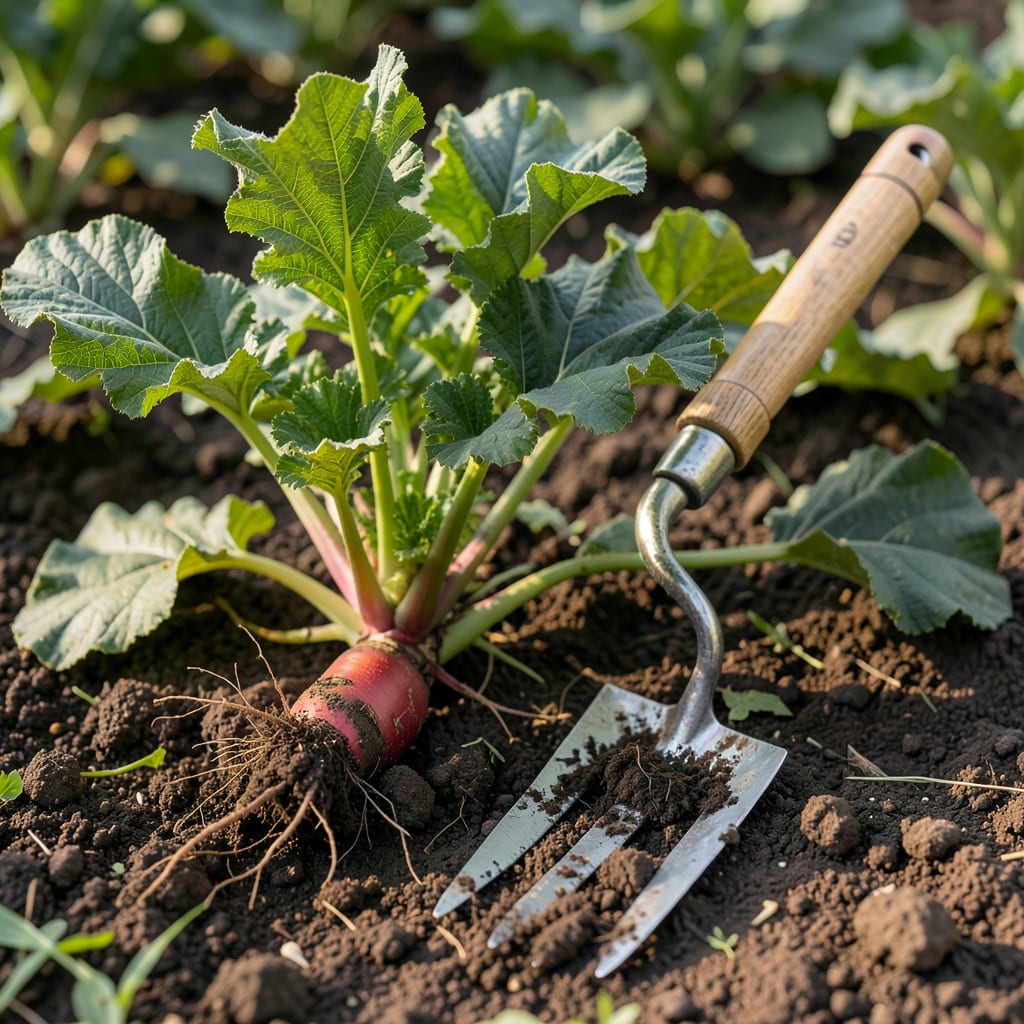
Timing your horseradish 🌱 harvest can mean the difference between a mild root and a fiery, flavor-packed ingredient. Knowing the precise moment to pick ensures maximum pungency and yield.
I’ll show you the seasonal signs to watch for and why fall or early spring is ideal. Discover how to dig and store roots for the best flavor and preservation.


I always watch for visual cues that my horseradish is ready to harvest. The most telling sign is yellowing leaves, which indicate the plant is diverting energy to its roots. This typically happens in late fall as temperatures drop. 🌱
Another key indicator is plant age. Horseradish reaches peak pungency at 10-12 months after planting. If you planted in early spring, late fall of the same year is ideal. The roots should be 1-2 inches thick and 6-12 inches long for best flavor. 🌿
| Harvest Sign | Description |
|---|---|
| Leaf Color | Turns yellow, dies back |
| Root Size | 1-2 inches diameter, 6-12 inches long |
| Frost Exposure | After first hard frost |
| Plant Age | 10-12 months old |
| Foliage Condition | Frost-killed or dying back |
I’ve found that frost exposure significantly boosts horseradish pungency. The cold triggers the plant to produce more allyl isothiocyanate, the compound responsible for its signature heat. This is why post-frost harvesting is so highly recommended. ✂️
Check the root size by gently brushing away soil at the base. If they’re thick and firm, they’re ready. Small, thin roots mean the plant needs more time. I use a garden fork to carefully expose the top portion without damaging the roots.
In USDA zone 6, I aim for harvest between October and November. For warmer zones, you might wait until December. The key is that first hard frost, which usually occurs around October 15th in my area.
Early spring is your second-best harvest window. As soon as the ground thaws, dig before new growth starts. The roots will be slightly milder than fall-harvested ones but still packed with flavor.
I avoid harvesting during summer months when the plant is actively growing. The roots are smaller and less pungent then. The plant is focusing on leaf production, not root development, during this period.
Remember that horseradish leaves can be misleading. Just because the tops look healthy doesn’t mean the roots are ready. Always check multiple signs before deciding to harvest.
For the best results, I harvest on a dry day when the soil isn’t waterlogged. This makes digging easier and reduces the risk of root rot during storage. Use a sharp spade to cut a wide circle around the plant.
After digging, I immediately brush off excess soil and let the roots dry in a well-ventilated area for a few hours. This helps prevent mold during storage and prepares them for grating or preservation.
I’ve found the optimal harvest windows for horseradish are late fall and early spring. The absolute best time is after the first hard frost, when cold triggers maximum pungency in the roots. 🌱
In USDA zones 3-9, this typically means October through November. The frost kills the foliage but boosts the allyl isothiocyanate levels, giving you that signature horseradish heat. 🌿
🌱 Key Takeaway
Harvest horseradish after first frost in fall or early spring before new growth starts for peak flavor and pungency.
For spring harvesting, dig as soon as the ground thaws but before new shoots appear. These roots will be milder but still flavorful. I aim for March or April in my zone 6 garden. ✂️
Avoid summer harvesting entirely. The roots are small, watery, and lack pungency during active growth. The plant focuses on foliage, not root development, from May through August.
In warmer zones like 8-9, you might harvest as late as December. Cooler zones 3-5 should aim for September through October before the ground freezes solid.
I always check the 10-day forecast for that first hard frost. Once temperatures drop to 28°F or below, I wait 1-2 weeks then harvest. This timing ensures the roots have developed their full potential.
I’ve learned the hard way that timing mistakes can ruin your horseradish harvest. Picking too early means small roots with weak flavor, while waiting too long risks woody texture. Always aim for that 10-12 month sweet spot. 🌱
Another common error is using the wrong tools. A regular shovel can slice through roots, but a garden fork lets you gently loosen the soil. I also avoid pulling by the leaves, which can break the roots. ✂️
⚠️ Warning
Avoid harvesting in wet soil or during summer. Wet conditions promote rot, while summer roots lack pungency.
Many gardeners also skip the curing process. After digging, I always let roots dry for 24-48 hours in a cool, dark place. This step prevents mold and enhances flavor concentration. 🌿
Storing improperly is another misstep. Never leave roots in the ground over winter in cold climates. Instead, store in damp sand in a root cellar or refrigerator at 32-40°F. This keeps them fresh for months.
Finally, don’t overlook plant health before harvest. Diseased or pest-damaged roots won’t store well. I inspect plants regularly and remove any showing yellow spots or wilting leaves.
Look for yellowing leaves and foliage dying back after the first frost. The roots should be 1-2 inches thick and 6-12 inches long. This indicates peak pungency.
No, summer roots are small, watery, and lack flavor. The plant focuses on leaf growth then, not root development. Always wait for fall or early spring for the best results.
Fall-harvested roots are spicier due to frost exposure, while spring roots are milder. Both are flavorful, but fall is preferred for maximum heat. Harvest before new growth appears in spring.
Let roots dry for 24-48 hours in a cool, dark place. Then store in damp sand in a root cellar or refrigerator at 32-40°F to keep them fresh for months.
