
Beautiful Plants For Your Interior
Beautiful Plants For Your Interior
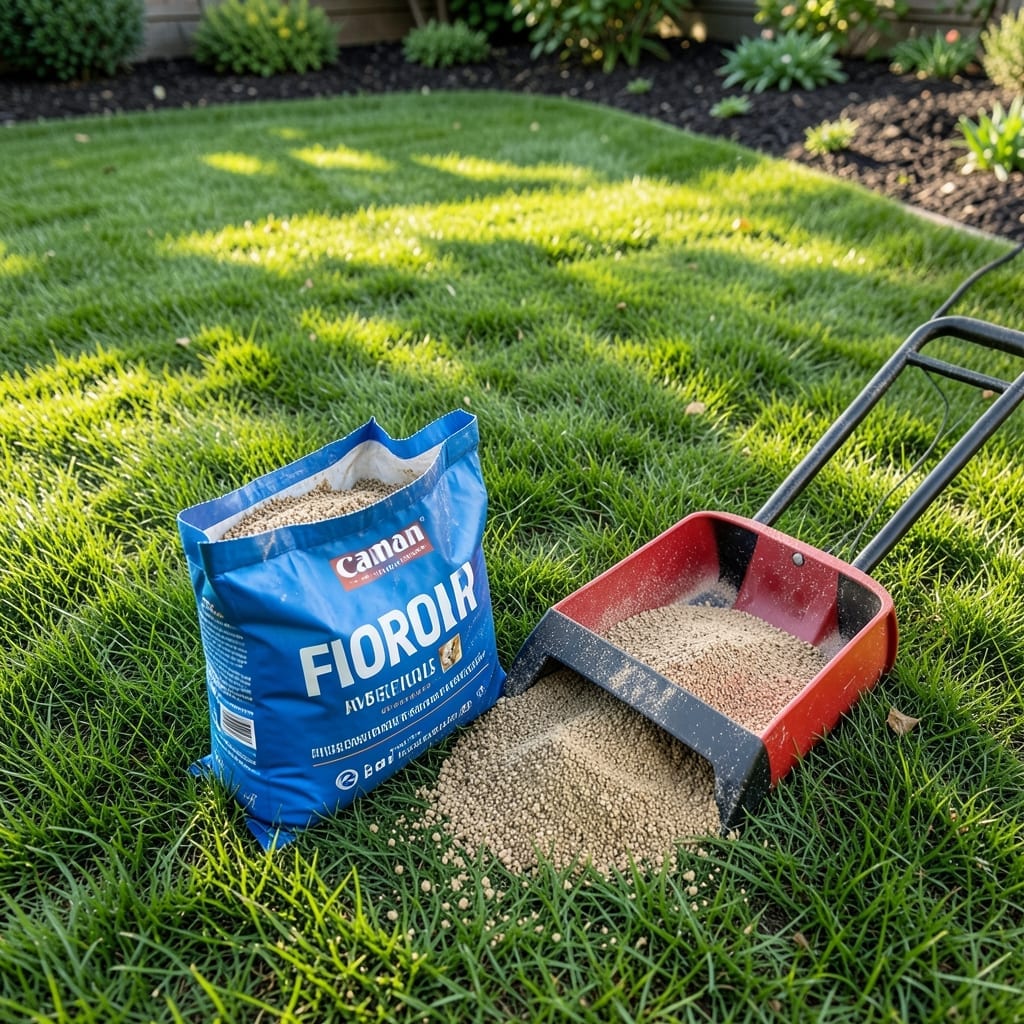
Timing your lawn fertilization can mean the difference between a lush, green yard and wasted effort. Early morning or late afternoon are your best windows for success.
I’ve seen firsthand how applying fertilizer at the wrong time leads to poor absorption and even grass burn. The 🌱 Lawn Grass in your yard deserves better.
Cooler temperatures and reduced evaporation during these times help nutrients penetrate deeply. This means more efficient use of your product and healthier results.
Let me walk you through why these time slots work best and how to make the most of your fertilization efforts. Your lawn will thank you.
I’ve tested countless fertilization schedules, and the best results always come from early morning or late afternoon applications. These windows avoid the harsh midday sun.
Cooler temperatures during these times reduce evaporation rates, allowing your lawn to absorb more nutrients. The grass blades also retain morning dew, which helps dissolve fertilizer granules.
| Time Slot | Benefit | Key Factor |
|---|---|---|
| Early Morning | Maximizes absorption | Dew helps dissolve fertilizer |
| Late Afternoon | Reduces heat stress | Cooler temperatures |
The science behind this is simple: photosynthesis slows in extreme heat, so fertilizing during cooler periods ensures your lawn can process nutrients efficiently.
In my experience, 6-9 AM and 4-6 PM are the sweet spots. These times avoid the peak UV index while still giving your lawn time to dry before evening.
Another advantage is reduced footprint risk. Fertilizer applied in the morning or late afternoon is less likely to stick to shoes or pets, as the grass will have time to absorb it.
I always recommend checking the weather forecast too. If rain is expected within 24 hours, you might want to delay application to prevent runoff.
For cool-season grasses like Kentucky bluegrass, early morning works best. For warm-season varieties such as Bermuda, late afternoon can be ideal.
Remember, consistency matters. Stick to your chosen time slot for each fertilization cycle to maintain even growth and color across your lawn.
Finally, always water your lawn lightly after fertilizing. This helps activate the nutrients and prevents potential burn spots from concentrated granules.☀️
Applying fertilizer at the wrong time can undo all your hard work. I’ve seen midday applications waste product and stress grass.
Nutrient loss happens quickly under hot sun. The fertilizer evaporates before your lawn can absorb it.
⚠️ Avoid These Fertilizing Times
Midday heat causes burnt grass and wasted nutrients. Evening applications risk overnight moisture issues.
Grass burn is a common issue with midday fertilization. The heat intensifies the fertilizer’s effects, damaging blades.
Evening fertilizing might seem safe, but overnight dew can prevent proper absorption. This leads to uneven distribution and poor results.
Environmental runoff is another risk. Heavy rain after fertilizing can wash nutrients into waterways, harming ecosystems.
I always recommend early morning or late afternoon to avoid these pitfalls. Your lawn gets the best chance to thrive without stress.