
Beautiful Plants For Your Interior
Beautiful Plants For Your Interior
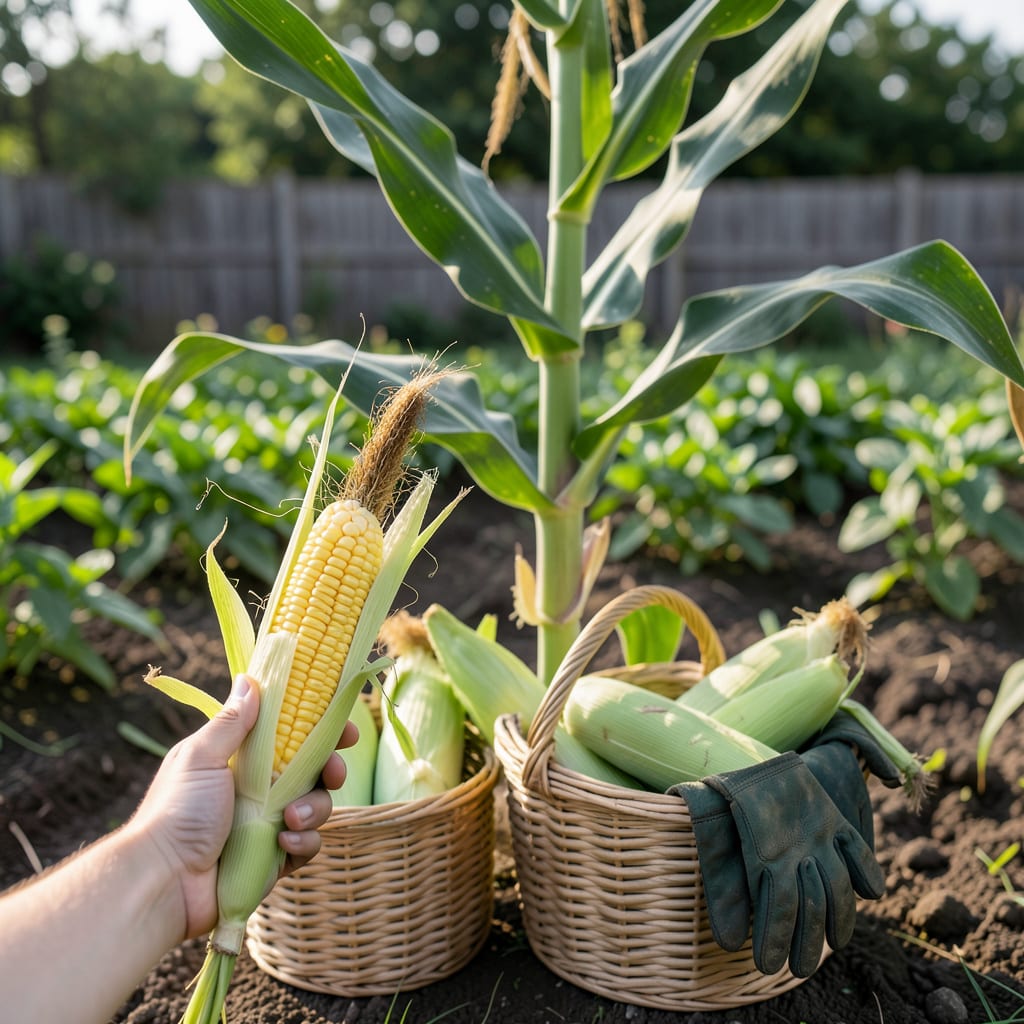
There’s nothing worse than peeling back a husk only to find underripe kernels staring back at you. With 🌽 Sweet Corn, timing separates the juicy, crisp winners from the disappointing, starchy flops—so how do you nail that perfect window?
I’ve ruined my share of harvests by guessing, but the secret lies in three foolproof signs. Whether you’re a first-timer or just tired of hit-or-miss results, I’ll show you exactly what to look for—and when—to guarantee every ear is worth the wait.


After months of tending your sweet corn, the big question arrives: Is it ready? Picking too early means watery kernels, but waiting too long turns them starchy. The secret lies in three visual clues—no fancy tools required. I’ll show you exactly what to look for.
First, forget the calendar. While most varieties take 60–100 days to mature, weather and soil conditions can speed up or delay ripening. Instead, rely on your senses. The silk, kernels, and ear will tell you everything you need to know.
Look for brown, dry silk—green or moist means it’s not ready. The silk should pull away easily when touched.
Peel back the husk slightly and pierce a kernel with your fingernail. If it releases milky liquid, it’s perfect. Clear liquid? Too early.
Gently squeeze the ear through the husk. A firm, rounded shape means it’s filled out. If it feels skinny or lumpy, give it more time.
Let’s dive deeper into the silk test. The silk is the corn’s “umbilical cord,” channeling nutrients to the kernels. When it turns dark brown and crispy, the kernels have stopped growing. If the silk is still pale or sticky, the corn needs more time.
Now, the kernel test is my favorite because it’s foolproof. Peel back just enough husk to expose a few rows of kernels. Press one with your thumbnail. If it squirts milky juice, you’ve hit the sweet spot. Watery liquid means it’s underripe; no liquid or a doughy texture means it’s overripe.
The ear plumpness check is the quickest way to assess readiness without damaging the husk. Run your hand along the ear—it should feel smooth and uniformly thick. Gaps or unevenness indicate the kernels haven’t fully developed yet.
Timing matters too. I always harvest in the early morning when sugars are highest. If you can’t pick immediately, twist the ear downward and snap it off the stalk cleanly. Avoid yanking, which can damage the plant and reduce future yields.
Pro tip: If you’re growing multiple varieties, label them with their days to maturity. Early types like ‘Early Sunglow’ may be ready in 60 days, while ‘Ambrosia’ can take up to 90 days. Keep a garden journal to track progress year to year.
Remember, sweet corn doesn’t keep getting sweeter on the stalk—it actually loses sugar after picking. So once those three signs align, don’t delay. Grab your basket and get harvesting! Your taste buds will thank you for that perfect, crisp bite.
Still unsure? Try the “thumbnail test” on a few ears. If most pass, harvest the rest. It’s better to check a few than to miss the window entirely and end up with tough, mealy corn.
Not all 🌽 sweet corn matures at the same pace. The variety you planted plays a huge role in when those ears will be ready. Early-season types like ‘Early Sunglow’ might be ready in just 60 days, while late-season giants like ‘Ambrosia’ can take up to 100 days.
Climate also tweaks the timeline. Cooler springs slow growth, while hot summers can speed it up. If you’re in USDA Zone 6, expect most varieties to hit peak ripeness between August and September. But don’t rely on the calendar alone—visual cues are your best guide.
| Variety | Days to Harvest | Best For |
|---|---|---|
| Early Sunglow | 60–65 | Short seasons, early harvests |
| Bodacious | 75–80 | Sweet flavor, disease-resistant |
| Peaches and Cream | 80–85 | Bicolor kernels, tender texture |
| Ambrosia | 90–100 | Extra-sweet, late-season |
*Days from planting; adjust for your climate.
If you planted a mid-season variety like ‘Bodacious,’ start checking ears around day 75. Gently peel back the husk to inspect the silk color and kernel texture. Remember, corn doesn’t ripen further once picked, so timing is critical.
For late-season varieties, patience is key. ‘Ambrosia’ might take 100 days, but the payoff is ultra-sweet kernels. Keep an eye on the weather forecast—a sudden heatwave can accelerate ripening, while rain delays it.
Pro tip: If you planted multiple varieties, label your rows with popsicle sticks and harvest dates. This way, you won’t confuse an early ‘Early Sunglow’ with a late ‘Ambrosia’ and miss the perfect window.
Once you’ve hit the days-to-harvest mark for your variety, test a few ears daily. The silk should be brown and dry, and kernels should release a milky liquid when pierced. That’s your green light to start picking!
Harvest in the early morning for the sweetest flavor, and refrigerate immediately to lock in freshness. Nothing beats the taste of corn picked at its peak—now you’ve got the tools to make it happen every time. 🌽
Even experienced gardeners can mess up their 🌽 sweet corn harvest by misreading the signs. The most common blunder? Waiting for the husks to turn yellow. By then, it’s often too late—the kernels turn starchy and tough. Let’s fix that before it happens to you.
Another frequent mistake is ignoring the silk test. If you see green or moist silk, walk away. That corn isn’t ready. I’ve ruined entire batches by harvesting too early because I didn’t check the silk first. Don’t make my mistake—brown and dry is the only green light.
*Fix overripe corn by using it for stock; underripe ears may sweetten in 48 hours.
The kernel test trips up a lot of gardeners too. If you pierce a kernel and get clear liquid, it’s underripe. But if there’s no liquid at all, it’s past prime. Only milky liquid means it’s perfect. I keep a nail file in my pocket to test kernels without damaging my thumbnail.
Timing your harvest wrong is another easy mistake. Picking in the afternoon heat means the corn loses sweetness faster. I always harvest before 10 AM when sugars are highest. If you can’t process it immediately, toss the ears in the fridge—unhusked—to slow sugar loss.
Finally, don’t assume all ears on a stalk ripen at once. The top ears mature first, followed by the lower ones 1–2 days later. Check each ear individually. I use a permanent marker to mark husks I’ve tested so I don’t recheck the same ones. This small step saves so much guesswork!
If you’ve already picked underripe corn, don’t panic. Leave it at room temperature for 24–48 hours—it might sweeten slightly. Overripe corn? Use it for cornmeal or stock instead of eating fresh. With these fixes, even a near-miss harvest won’t go to waste.
Start checking daily once the silk begins to brown, usually around 60 days after planting. Early varieties may ripen faster, while late-season types need more time. A quick thumbnail test on a few ears every morning ensures you won’t miss the perfect window.
While early morning is ideal for maximum sweetness, evening harvests work if you refrigerate the ears immediately. Avoid leaving picked corn at room temperature—sugars convert to starch within hours. If you must harvest later, do it before sunset and chill promptly.
Uneven ripening often happens due to pollination issues or inconsistent watering. The top of the ear usually matures first. If only a few rows are underdeveloped, the ear is still edible—just trim those kernels. For future crops, ensure even moisture and plant in blocks for better pollination.
Keep ears unhusked in the fridge’s crisper drawer for up to 5 days. For longer storage, blanch for 4 minutes, cool in ice water, then freeze in airtight bags. Never leave corn at room temperature—it loses 50% of its sweetness within 24 hours.
