
Beautiful Plants For Your Interior
Beautiful Plants For Your Interior
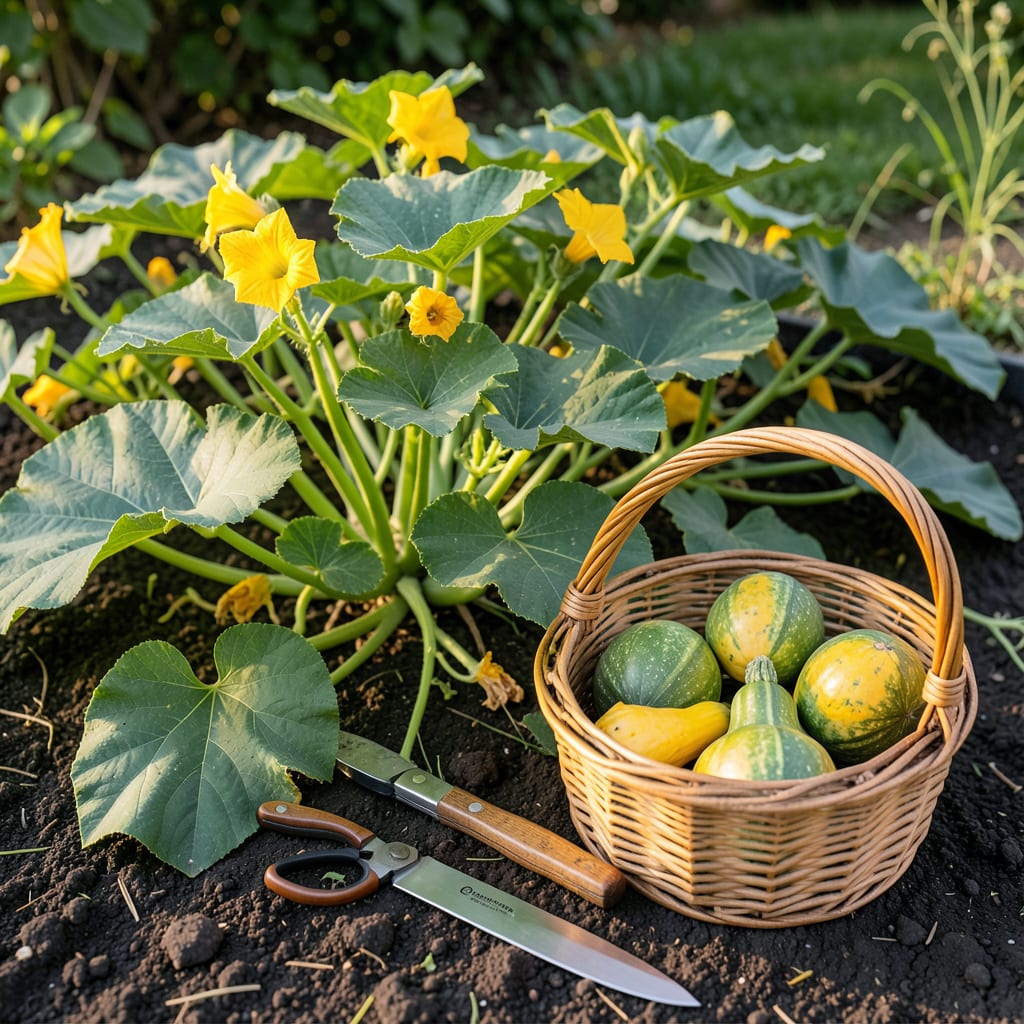
Knowing the perfect moment to pick your 🎃 Squash can make all the difference. Too early and it’s bland, too late and it’s tough.
I’ll show you the most reliable signs to look for, like stem dryness and rind hardness, so you can harvest at peak flavor every time.


Timing your squash harvest perfectly ensures the best flavor and texture. I always check for visual cues first, as they’re the most reliable indicators of ripeness across all varieties.
Summer squash like zucchini are ready when the rind is tender and the skin shines. For winter squash, a hard rind and dry stem signal full maturity. Each type has its own telltale signs.
| Variety | Rind Condition | Stem Sign | Size Benchmark |
|---|---|---|---|
| Zucchini | Tender, shiny | Soft stem | 6-8 inches |
| Butternut | Hard, matte | Dry, woody | 8-12 inches |
| Acorn | Firm, dull | Brown, corky | 4-7 inches |
| Spaghetti | Hard, yellow | Fully dry | 8-10 inches |
For summer squash, I look for a glossy skin and a size of about 6-8 inches. The stem should still be soft, indicating it’s at its peak for eating fresh.
Winter squash like butternut or acorn need a hard rind that resists puncturing with a fingernail. The stem should be dry and woody, and the color deep and uniform.
I also check the vines and leaves. If they’re starting to die back, it’s a strong sign your winter squash is ready. This usually happens in late summer or early fall.
Size matters too. A butternut squash should be about 8-12 inches long, while acorn squash are typically 4-7 inches in diameter. Smaller varieties like gem squash are ready at just 3-4 inches.
Color is another key indicator. Butternut turns deep tan, acorn develops a dark green with orange patches, and spaghetti squash turns a bright yellow. These color changes signal the sugars have developed fully.
I avoid harvesting when the rind is soft or the stem is green. These are clear signs the squash isn’t ready yet. Picking too early often results in bland, watery flesh.
With these visual signs, I confidently harvest squash at the perfect time for the best taste and storage life. ☀️
Testing squash rind hardness is crucial for determining ripeness. I use simple, reliable methods to check if my squash is ready for harvest without guessing.
The nail test is my go-to. I press my fingernail into the rind. If it punctures easily, the squash needs more time. A hard rind that resists my nail means it’s ready.
The tapping test is another favorite. I gently tap the squash with my knuckles. A hollow sound indicates maturity, while a dull thud means it needs more time on the vine.
For winter squash, I always check the stem. A dry, woody stem confirms the squash has reached full maturity and will store well. If the stem is still green, I wait a few more days.
I avoid harvesting after rain, as moisture can soften the rind temporarily and give a false reading. The nail test works best on dry days when the squash is at its true hardness.
By combining these tests, I ensure my squash is perfectly ripe with the best flavor and storage potential. These simple checks take the guesswork out of harvesting. 🌱
Deciding when to pick squash depends on your immediate use or storage plans. I always consider the growth stage, as it affects both taste and keeping quality.
Early harvest is ideal for summer squash like zucchini. At this stage, the rind is tender and the flesh is perfect for fresh eating. I pick these when they’re small and the skin is still soft.
| Stage | Rind Condition | Best For | Storage Life |
|---|---|---|---|
| Early | Tender, soft | Fresh eating | Short-term |
| Full Maturity | Hard, firm | Long-term storage | Months |
For long-term storage, I wait until full maturity. The rind becomes hard and firm, and the stem dries out. This stage ensures the squash will keep well for months in a cool, dry place.
Winter squash like butternut or acorn must reach full maturity before harvest. I check for a hard rind and a dry stem. These squash develop their sweet flavor and long storage capability at this stage.
If I’m picking for immediate use, I may harvest slightly early. The flesh will be more tender, but it won’t store as long. For winter squash, early picking means missing out on the full sweetness and texture.
By matching the harvest time to my needs, I ensure the best taste and storage life for my squash. 🌱
Harvesting too soon results in underdeveloped flavor and texture. The flesh will be watery and bland, especially in winter varieties. Always check the rind hardness first.
A light frost won’t damage mature winter squash, but it will ruin tender summer varieties. Harvest all summer squash before any frost appears.
Fully mature winter squash keeps for 2-6 months in a cool, dry place. Summer squash only lasts 1-2 weeks in the fridge. Storage time depends on ripeness at harvest.
Green streaks often indicate it’s not fully ripe yet. Wait for the rind to turn a uniform tan color and the stem to dry completely before picking.
