
Beautiful Plants For Your Interior
Beautiful Plants For Your Interior
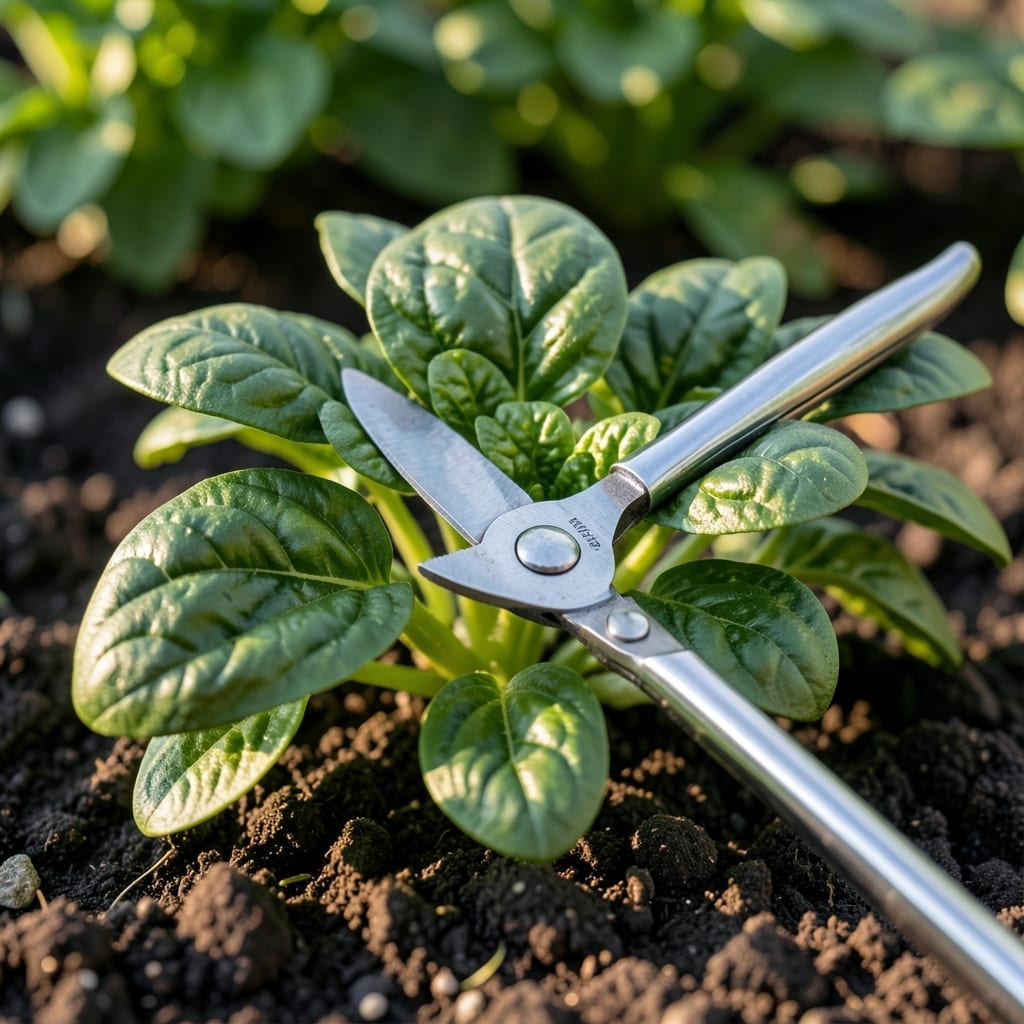
I remember the first time I planted spinach in summer – what a disappointment. This cool-weather crop has a very specific window when it truly thrives.
For gardeners in zone 6, the magic happens when you plant between March and April. That’s when the 🥬 spinach grows most vigorously before the heat sets in.
The harvest window typically falls between May and June, giving you those tender, flavorful leaves we all love. But here’s the thing – timing isn’t just about calendar dates.
Discover how to read your local climate cues and soil conditions to nail that perfect spinach season every time. It’s simpler than you might think.
As a gardener, I know that spinach thrives in cool weather, making it a perfect crop for spring and fall. The timing varies by region, so understanding your USDA hardiness zone is key to success. In most areas, spinach grows best when temperatures stay between 50°F and 75°F. 🌱
For northern zones like Zone 3-5, I recommend planting as soon as the soil is workable in early spring. In milder climates like Zone 6-8, you can plant in late winter for an early harvest or late summer for a fall crop. The growing season is shorter in hotter regions. 🌿
| Zone | Planting Time | Harvest Window |
|---|---|---|
| 3-5 | Early spring | May-June |
| 6-8 | Late winter/late summer | April-May / Oct-Nov |
| 9-11 | Fall-winter | Dec-Feb |
In Zone 9-11, where winters are mild, I’ve had success growing spinach as a winter crop. The cool season allows the plants to thrive without bolting to seed too quickly. Just be sure to provide some afternoon shade in warmer areas. ✂️
For spring planting, I always aim to sow 4-6 weeks before the last frost date. This gives the plants enough time to establish before the heat of summer sets in. Spinach maturation takes about 40-60 days, so timing is everything. 🌱
If you’re in a hot climate, consider shade cloth to protect your spinach from scorching sun. I’ve found that morning sun with afternoon shade works best. Also, mulching helps retain moisture and keeps the soil temperature stable. 💧
For fall planting, start seeds 6-8 weeks before the first frost. This ensures a bountiful harvest before the cold weather slows growth. In my garden, I often plant in late August for a October harvest. 🌿
Remember, spinach is a cool-season crop, so it won’t tolerate prolonged heat. If temperatures rise above 80°F, the plants will bolt, producing flowers instead of leaves. To avoid this, I harvest regularly and keep the soil moist. ☀️
Another tip: succession planting every 2-3 weeks can extend your harvest. This way, you’ll have a continuous supply of fresh spinach throughout the season. I’ve used this method to enjoy multiple harvests from a single bed. 🪴
Finally, always check your local frost dates and adjust accordingly. Spinach is frost-tolerant, but hard freezes can damage the leaves. With the right timing and care, you’ll be rewarded with tender, flavorful greens all season long. 🌱
I love using succession planting to keep my spinach harvest going strong. By sowing new seeds every 2-3 weeks, I can enjoy fresh greens all season long.
This method works best in spring and fall when temperatures stay below 75°F. Spinach bolts quickly in heat, so timing is everything for a continuous supply.
For my spring crops, I begin planting as soon as the soil is workable. The first batch matures just as the second one is getting established, creating a seamless transition.
In milder climates, I can extend the season into winter using row covers. These protect young plants from light frosts while still allowing sunlight to reach them.
Remember that spinach varieties differ in their cold tolerance. I always check the seed packet for days to maturity to time my plantings perfectly.
With proper planning, I’ve harvested fresh spinach for up to 8 months of the year. The key is staying ahead of temperature changes and pest pressure 🌱