
Beautiful Plants For Your Interior
Beautiful Plants For Your Interior
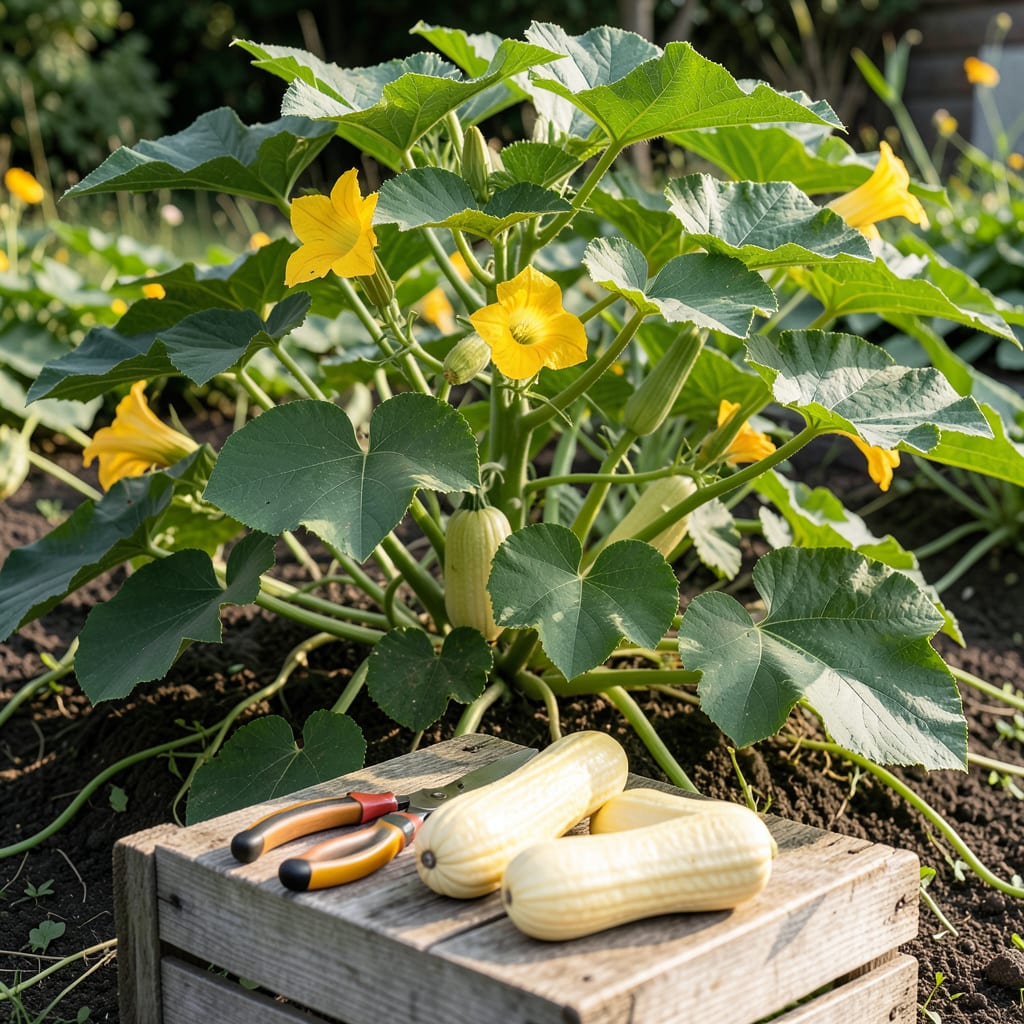
Knowing exactly when to harvest 🎃 Spaghetti Squash can mean the difference between a perfect, stringy delight and a disappointment. Timing is everything with this unique winter squash.
I’ll show you the key signs to look for—from rind hardness to vine changes—that signal your Spaghetti Squash is ready to pick. Let’s make sure you get it right.


Timing your spaghetti squash harvest perfectly ensures the best texture and flavor. I look for visual and tactile cues that indicate ripeness, starting with the rind’s appearance and hardness.
A fully mature spaghetti squash will have a deep yellow or orange rind that’s dull, not shiny. The skin should feel hard and solid, resisting pressure when gently squeezed. This is your first sign it’s ready.
| Sign | Description |
|---|---|
| Rind Color | Deep yellow or orange, dull finish |
| Rind Hardness | Cannot be punctured with a thumbnail |
| Stem Condition | Dry, brown, and woody |
| Vine Appearance | Starts to wither and die back |
The thumbnail test is a foolproof method I swear by. Try pressing your thumbnail into the rind—if it leaves a mark or punctures the skin, the squash needs more time.
Another key indicator is the stem and tendrils. When the stem near the squash turns brown and dry, and the tendrils closest to it are withered, your squash is likely ready.
Don’t overlook the vines themselves. As the growing season progresses, healthy green vines will begin to die back. This natural decline signals that the plant is redirecting energy away from growth.
The sound test can also help confirm readiness. Tap the squash lightly—a hollow sound indicates maturity, while a dull thud suggests it’s not quite there yet.
Spaghetti squash typically reaches maturity in 80 to 100 days, depending on the variety and growing conditions. In most regions, this means late summer to early fall is harvest time.
If you’re growing multiple squashes, check each one individually. Size isn’t always uniform, and some may ripen faster than others, especially if they received more sunlight or nutrients.
Finally, remember that spaghetti squash continues to ripen off the vine, but only slightly. It’s best to harvest when fully mature for the best stringy texture and sweet flavor. 🌱
I always recommend using practical tests to confirm your spaghetti squash is ready. The thumbnail test is my go-to—press your nail into the rind. If it resists, it’s mature.
The tapping method also works well. A ripe squash produces a hollow sound when tapped, while an unripe one sounds dull. This takes practice but becomes reliable with experience.
Another reliable method is checking the tendrils near the stem. When they turn brown and crisp, the squash is likely ready. This is a subtle but telling sign of maturity.
The stem condition is equally important. A mature spaghetti squash will have a dry, corky stem that’s firmly attached. If the stem is still green, wait a few more days.
I also pay attention to the vines. When they start to yellow and wilt, it’s a strong indicator that the squash is nearing harvest time. This is nature’s way of signaling the end of the growing cycle.
For the most accurate results, I combine multiple tests. If the rind is hard, the tendrils are dry, and the squash sounds hollow, it’s time to pick. Trust your senses—they rarely lead you astray. 🌱
Harvesting spaghetti squash at the wrong time can drastically affect its texture and flavor. I’ve learned that picking too early results in squash that won’t form those signature stringy strands we love.
An underripe squash often has a soft, shiny rind and moist stem, and its flesh remains firm and starchy. Even if it looks close, it won’t develop the sweet, nutty flavor or proper consistency.
| Scenario | Result |
|---|---|
| Too Early | Firm flesh, no strands, poor flavor |
| Just Right | Stringy texture, sweet, ideal storage |
| Too Late | Tough skin, mushy flesh, limited storage |
On the other hand, waiting too long can lead to overripe squash with a tough, thick rind that’s hard to cut. The flesh may turn mushy, and the flavor can become bland or bitter.
Overmature squash also stores poorly. The skin may soften or rot faster in storage, reducing its shelf life. I’ve found that squash left too long on the vine often develops seed cavities that are oversized and watery.
Timing your harvest right ensures the best storage potential. A perfectly ripe spaghetti squash can last several weeks in a cool, dry place, maintaining its quality and flavor. 🌱
Most varieties reach full maturity in 80 to 100 days after planting. This typically falls in late summer to early fall, depending on your climate and planting date.
A ripe spaghetti squash has a deep yellow or orange rind with a dull finish. If it’s still shiny or pale, it needs more time on the vine.
No, wait until the stem turns brown and dry. A green stem means the squash isn’t fully mature, and the flavor and texture won’t be ideal.
Underripe squash won’t form the signature stringy strands and will taste starchy. The rind may also be too soft for proper storage.
