
Beautiful Plants For Your Interior
Beautiful Plants For Your Interior
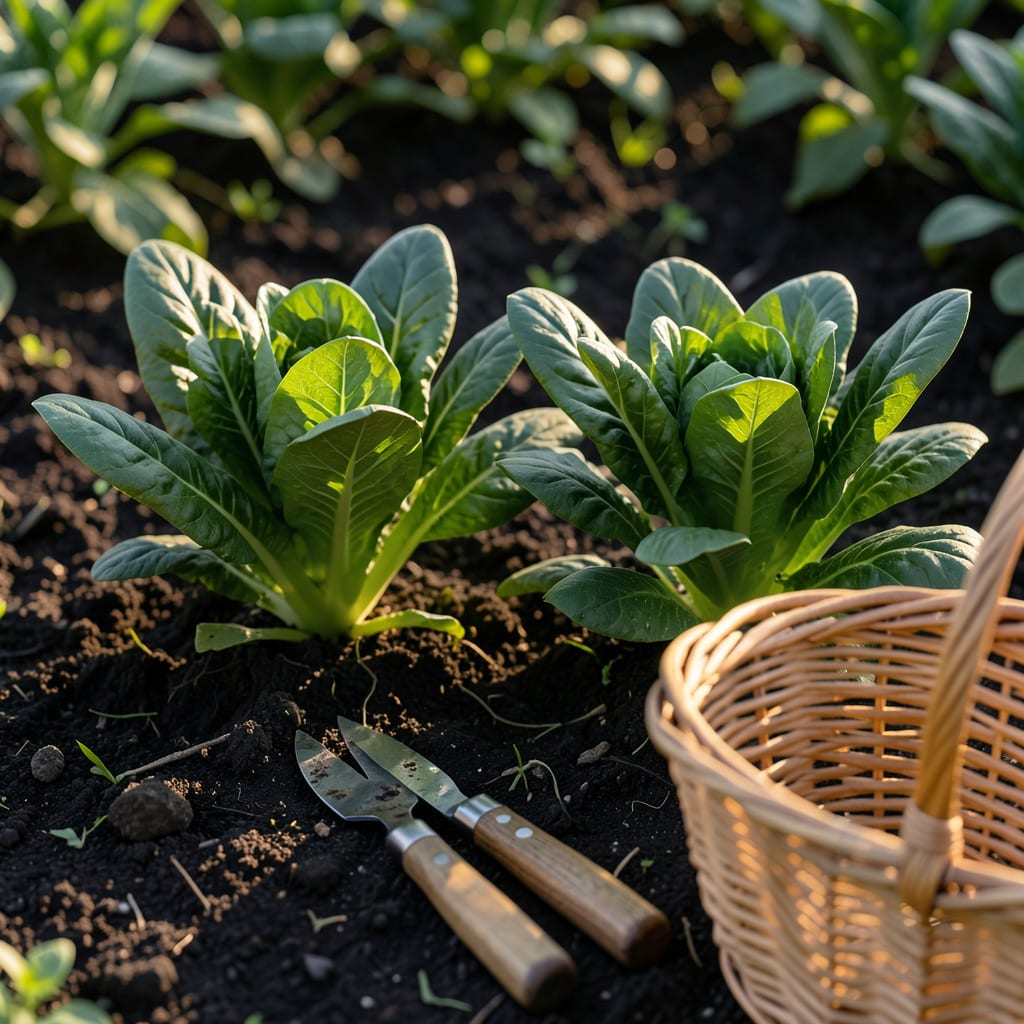
Nothing beats the satisfaction of growing your own Romaine Lettuce 🥬, but knowing the perfect harvest time can be tricky. Picking too soon or too late affects flavor and growth.
Discover the clear signs to look for, from leaf size to head firmness, so you can enjoy crisp, fresh greens at their peak. Let me show you how.


I always check for leaf length first when determining if my romaine lettuce is ready. The outer leaves should reach 6-10 inches long for the best flavor and texture. This is the most reliable visual cue I use in my garden.
Next, I gently squeeze the head of the lettuce. A ready-to-harvest romaine will feel firm and dense, not loose or floppy. The center should look mature but not overgrown or bolting.
| Harvest Indicator | What to Look For |
|---|---|
| Leaf Length | 6-10 inches long |
| Head Firmness | Dense and solid |
| Leaf Color | Deep green and vibrant |
| Stem Thickness | Thick and sturdy |
The color of the leaves is another important sign. Ready romaine has deep green outer leaves with lighter inner leaves. If the leaves are pale or yellowing, the plant isn’t ready yet.
I also examine the stem at the base. A mature plant will have a thick, sturdy stem that can support the head. A thin stem usually means the plant needs more time to develop.
The center of the head should be compact but not tight. If it’s too tight, the lettuce might be overmature. I’ve found that romaine is perfect when the center is just beginning to form that classic upright shape.
Timing matters too. Romaine typically reaches maturity in 70-85 days after planting, depending on the variety. I start checking for readiness at about 55 days and monitor daily after that.
Weather conditions affect harvest time as well. In cooler spring weather, my romaine takes a bit longer to mature. During warmer fall days, it might reach harvest size a week or two sooner than expected.
I always harvest in the early morning when the leaves are most crisp. This ensures the best texture and flavor. The plant is also more hydrated at this time, which helps with regrowth.
Remember that romaine lettuce can be harvested in stages. You can pick the outer leaves first and allow the inner leaves to continue growing. This extends your harvest window significantly.
By paying attention to these visual and tactile cues, I consistently harvest my romaine at the perfect time for the best taste and texture in my garden ✂️
I always use sharp garden shears or a clean knife for harvesting my romaine. The tool should be sterilized to prevent disease transfer between plants in my garden.
For a full harvest, I cut the entire head 1-2 inches above the soil line. This allows the base to regrow new leaves for a second, smaller harvest in a few weeks.
Harvesting Steps:
1. Morning Harvest – Pick in early morning for crispest leaves.
2. Check Moisture – Ensure soil is dry to prevent rot.
3. Clean Cut – Use sharp tool for clean, quick cut.
4. Leave Stump – Keep 1-2 inches of stem for regrowth.
If I only need a few leaves, I pick the outer leaves first, leaving the inner ones to continue growing. This staggered harvest method extends my romaine supply for weeks.
I avoid pulling the entire plant from the soil. This damages the roots and prevents any chance of regrowth. A clean cut is always better for the plant’s health.
After cutting, I immediately water the remaining plant to help it recover. The extra moisture encourages new growth from the center of the stem.
For the best results, I harvest before the plant bolts or flowers. Once romaine starts to bolt, the leaves become bitter and the plant focuses on seed production instead of leaf growth ✂️
I’ve seen many gardeners wait too long to harvest their romaine, which leads to bitter leaves and bolting. Once the plant starts flowering, the flavor turns unpleasantly sharp, and the leaves become tough.
Harvesting during extreme heat is another common mistake. The leaves wilt quickly, losing their crispness. I always aim to pick my romaine in the cool morning hours for the best texture.
⚠️ Avoid These Harvest Mistakes:
Waiting Too Long: Causes bitterness and bolting.
Harvesting in Heat: Leads to wilted, limp leaves.
Using Dull Tools: Crushed stems invite disease and rot.
Using dull tools is a mistake I learned to avoid early on. A jagged cut can damage the stem, making the plant more susceptible to disease. I always use sharp shears for a clean, precise cut.
Pulling the entire plant from the soil is another error I see often. This prevents any chance of regrowth. Instead, I cut the head 1-2 inches above the soil to allow for a second harvest.
Finally, I never harvest romaine that’s underwatered or stressed. The plant needs consistent moisture to develop properly. I check the soil regularly and water deeply to keep my romaine healthy and ready for picking ✂️
Romaine typically reaches harvest readiness in 70-85 days after planting. Start checking at 55 days, as some varieties mature faster in warm conditions.
Waiting too long causes bitterness and bolting. The leaves turn tough, and the plant focuses on flowering instead of leaf growth. Harvest before this stage for best flavor.
Picking outer leaves first allows inner ones to keep growing. This extends your harvest window for weeks while keeping the plant productive.
Morning harvest ensures crisp, hydrated leaves with peak flavor. The cooler temps prevent wilting, and plants recover better for potential regrowth.
