
Beautiful Plants For Your Interior
Beautiful Plants For Your Interior
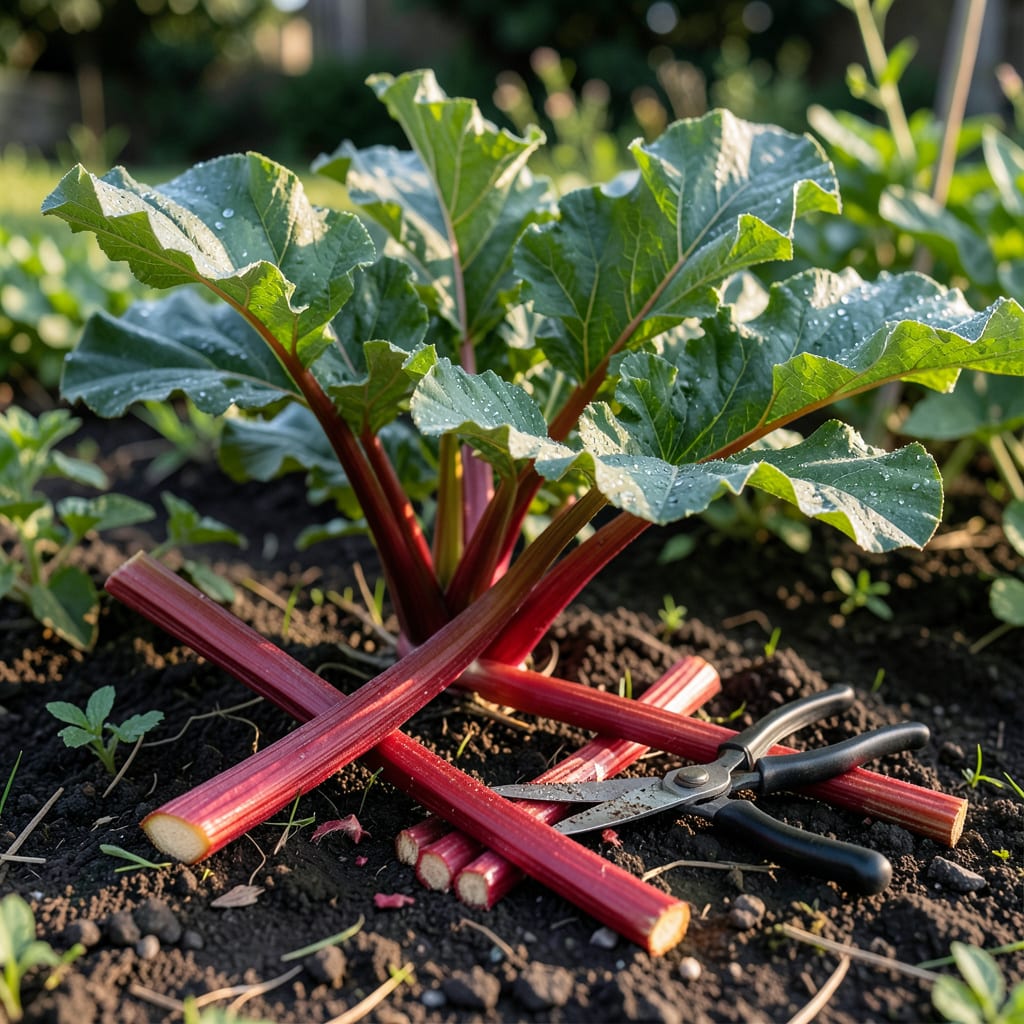
Ever stood in your garden wondering if your 🌱 Rhubarb is ready for picking? Getting the timing right is the key to that perfect balance between tart and sweet.
I’ll show you exactly what to look for in stem color, size, and texture. With these simple signs, you’ll never second-guess your harvest again.


I always tell gardeners that rhubarb readiness isn’t just about time—it’s about visual cues. The most reliable sign is stalk length, which should reach 10-15 inches for most varieties.
Another key indicator is stalk thickness. Mature rhubarb should be 1-1.5 inches wide at the base. Thin, spindly stalks mean your plant needs more time to develop its full potential.
| Sign | Ready When |
|---|---|
| Stalk Length | 10-15 inches long |
| Stalk Thickness | 1-1.5 inches wide |
| Stalk Color | Deep red or vibrant green (variety-dependent) |
| Stalk Firmness | Firm and crisp, snaps cleanly |
| Leaves | Fully unfurled and healthy |
Don’t rely on color alone to determine ripeness. Some varieties stay green even when ripe, while others turn deep red. The firmness test is more reliable—gently bend a stalk. If it snaps cleanly, it’s ready.
I check my rhubarb patch weekly in early spring when growth accelerates. The first harvestable stalks usually appear in April or May, depending on your USDA zone and spring temperatures.
For first-year plants, resist the temptation to harvest. These need time to establish strong roots. I recommend waiting until the second year for your first light harvest, then full harvesting by year three.
The leaf size offers another clue. When leaves are fully unfurled and at least 12 inches wide, the stalks beneath are typically ready. But remember, the leaves themselves are toxic—only harvest the stalks.
I’ve found that morning harvesting yields the crispest stalks. Use a sharp knife or simply grab and twist the stalk at the base. Never cut more than 1/3 of the stalks at once to keep your plant healthy.
Watch for seed stalk formation—this means your rhubarb is bolting and energy is being diverted from stalk production. If you see these forming, I recommend removing them immediately to prolong your harvest window.
In my experience, cool temperatures produce the sweetest stalks. A light frost can actually enhance flavor, but hard freezes will damage the plant. Always monitor weather conditions during your harvest season.
Finally, remember that consistent watering and rich soil produce the best rhubarb. My plants thrive with 1-2 inches of water weekly and a spring feeding of compost or balanced fertilizer.
Timing your rhubarb harvest is crucial for the best flavor and yield. I’ve found that early spring is the prime window, typically from April to June, depending on your climate. Cooler regions may see a slightly later start, while warmer zones can begin earlier.
Rhubarb thrives in USDA zones 3-8, and the first harvest is usually ready about 365 days after planting. However, I always recommend waiting until the second year for the best results, as first-year plants need time to establish strong roots.
🌱 Best Harvest Window
Harvest rhubarb in April-June for peak flavor. Avoid picking in the first year to allow the plant to mature fully.
Frost can actually sweeten rhubarb stalks, so a light spring frost can enhance the flavor. But be cautious—if a hard freeze is forecasted, I recommend delaying your harvest to protect the plant from damage.
In my experience, morning harvesting is ideal. The stalks are crisp and hydrated after the cool night, making them easier to snap cleanly at the base. This also helps the plant recover faster during the heat of the day.
If you’re in a region with a longer growing season, you might get a second, smaller harvest in late summer or early fall. Just ensure the plant has enough energy to recover before the first frost hits.
Remember, rhubarb is a perennial, so with proper care, it can produce for 10 years or more. I always leave at least 1/3 of the stalks on the plant to ensure its health and productivity for the next season.
Watch for seed stalks appearing in late spring—remove them immediately to redirect the plant’s energy into producing more edible stalks.
I see gardeners make the same rhubarb harvesting mistakes every year. Over-harvesting is the most common—never take more than 1/3 of stalks at once, or you’ll stress the plant.
Another big error is picking too early. First-year plants need all their energy to establish roots, so resist the temptation to harvest.
⚠️ Warning: Avoid These Harvesting Pitfalls
I always check for plant health signals before harvesting. If the leaves look wilted or stalks seem thin, give your rhubarb more time to recover.
Proper cutting technique matters too. Use a sharp knife and cut at the soil line, not the crown. This prevents rot and keeps your plant productive.
Remember, frost can affect flavor. After a hard frost, wait a week before harvesting to let the oxalic acid levels drop for better taste.
Lastly, always leave some stalks unharvested to keep your rhubarb patch thriving for years to come 🌱
Harvest when stalks reach 10-15 inches long. This length ensures optimal flavor and texture for pies and jams. Shorter stalks lack maturity and sweetness.
No, wait until the second year for the first light harvest. First-year plants need to establish strong roots. Full production begins in the third year.
Morning is ideal when stalks are crisp and hydrated. Use a sharp knife or twist at the base. Avoid harvesting during midday heat.
Stalks should be 1-1.5 inches wide at the base. Thin, spindly stalks indicate the plant needs more growth time. Always check firmness too.
