
Beautiful Plants For Your Interior
Beautiful Plants For Your Interior
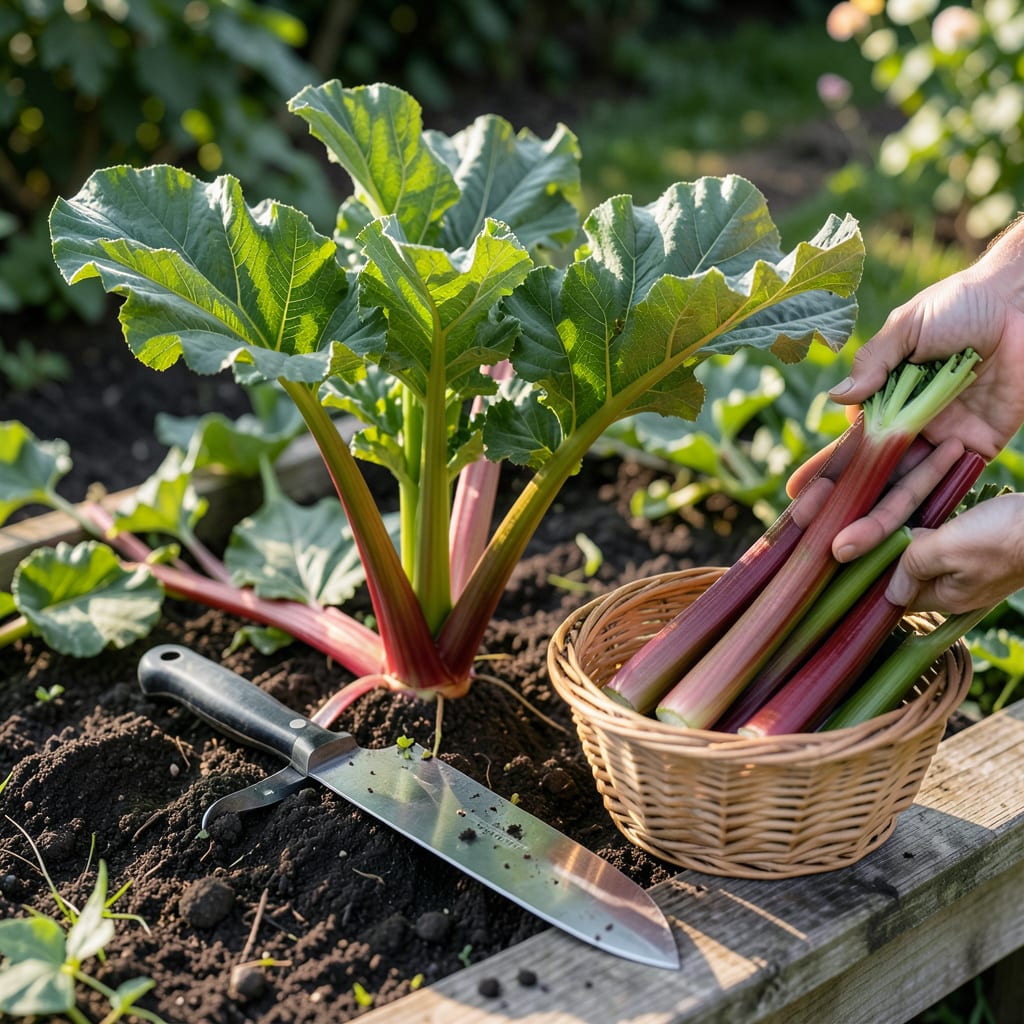
Knowing the perfect moment to pick your 🌱 Rhubarb can transform your harvest from disappointing to delicious. Timing truly makes all the difference with this spring favorite.
I’ll show you the clear visual signs to watch for and when to expect them in your garden. With these tips, you’ll never second-guess your Rhubarb’s readiness again.


I always look for thick, rigid stalks as the first sign my rhubarb is ready. The stalks should be 10-15 inches long and snap cleanly when pulled.
Another clear indicator is fully unfurled leaves with deep color. For red varieties, look for rich crimson; green types should be vibrant, not pale.
| Sign | Ready Indicator | Not Ready Sign |
|---|---|---|
| Stalk Length | 10-15 inches | Shorter than 8 inches |
| Stalk Thickness | Thick and rigid | Thin or spindly |
| Leaf Size | Fully unfurled | Still curled or small |
| Plant Age | 2+ years old | First year growth |
| Color | Deep red or green | Pale or dull |
The harvest window typically spans from April to June, depending on your USDA zone. In cooler zones, rhubarb may mature slightly later.
I check my plants weekly in spring once they start growing. The first harvest is usually the most exciting moment of the gardening year.
Remember that first-year plants should never be harvested. They need all their energy to establish strong root systems for future growth.
For established plants, I harvest about 1/3 of the stalks at a time. This ensures the plant stays healthy and continues producing.
Always pull stalks rather than cutting them. Grab the stalk near the base and gently twist while pulling. It should snap off cleanly.
After harvesting, I remove the leaf blades (which are toxic) and compost them. The stalks are what you want to keep for your garden rewards.
In my experience, morning is the best time to harvest. The stalks are most crisp after the cool night temperatures.
With these signs in mind, you’ll always know the perfect moment to start enjoying your rhubarb bounty. 🌱
I’ve learned the hard way that over-harvesting can weaken your rhubarb plants for years. Never take more than 1/3 of the stalks at once to keep them thriving.
Another critical mistake is cutting stalks with a knife. Always pull stalks by hand to avoid damaging the plant crown and inviting disease.
⚠️ Warning: Harvesting first-year rhubarb stunts root development. Wait until year two for your first pick to ensure long-term health.
I also avoid harvesting late in summer when stalks become woody or bitter. The best flavor comes from spring and early summer harvests.
Never ignore plant stress signs like wilting or yellowing leaves. These indicate it’s time to stop harvesting and let the plant recover.
I always check for pest damage before harvesting. Aphids and slugs love rhubarb leaves, and their presence can affect stalk quality.
Finally, remember that leaf blades are toxic. Always remove and compost them immediately after harvesting to keep your garden safe. ✂️
I’ve found that USDA zone makes a big difference in rhubarb harvest timing. In cooler zones (1-4), expect stalks to be ready in late May to June.
For moderate zones (5-7), the harvest window typically starts in April and runs through early June. Warmer areas may see earlier growth.
In warmer zones (8-10), rhubarb may be ready as early as March. However, these areas often require shade protection to prevent bolting.
I always monitor soil temperature too. Rhubarb thrives when soil reaches 40-50°F in spring. Use a soil thermometer for accuracy.
Early varieties like ‘Valentine’ may mature 1-2 weeks sooner than late types like ‘Canada Red’. Check your plant tags for specifics.
With these zone-based guidelines, you’ll always hit the perfect harvest window for your region. 🌿
Wait until stalks reach 10-15 inches long. Shorter stalks haven’t developed their full sweet-tart flavor and may be tough or stringy.
First-year plants need to establish strong roots. Harvesting too soon weakens the plant and reduces future yields. Always wait until year two.
Never take more than 1/3 of the stalks at a time. This keeps the plant healthy and ensures continued production throughout the season.
Early morning is ideal. Stalks are most crisp after cool night temperatures, making them easier to snap cleanly from the base.
