
Beautiful Plants For Your Interior
Beautiful Plants For Your Interior
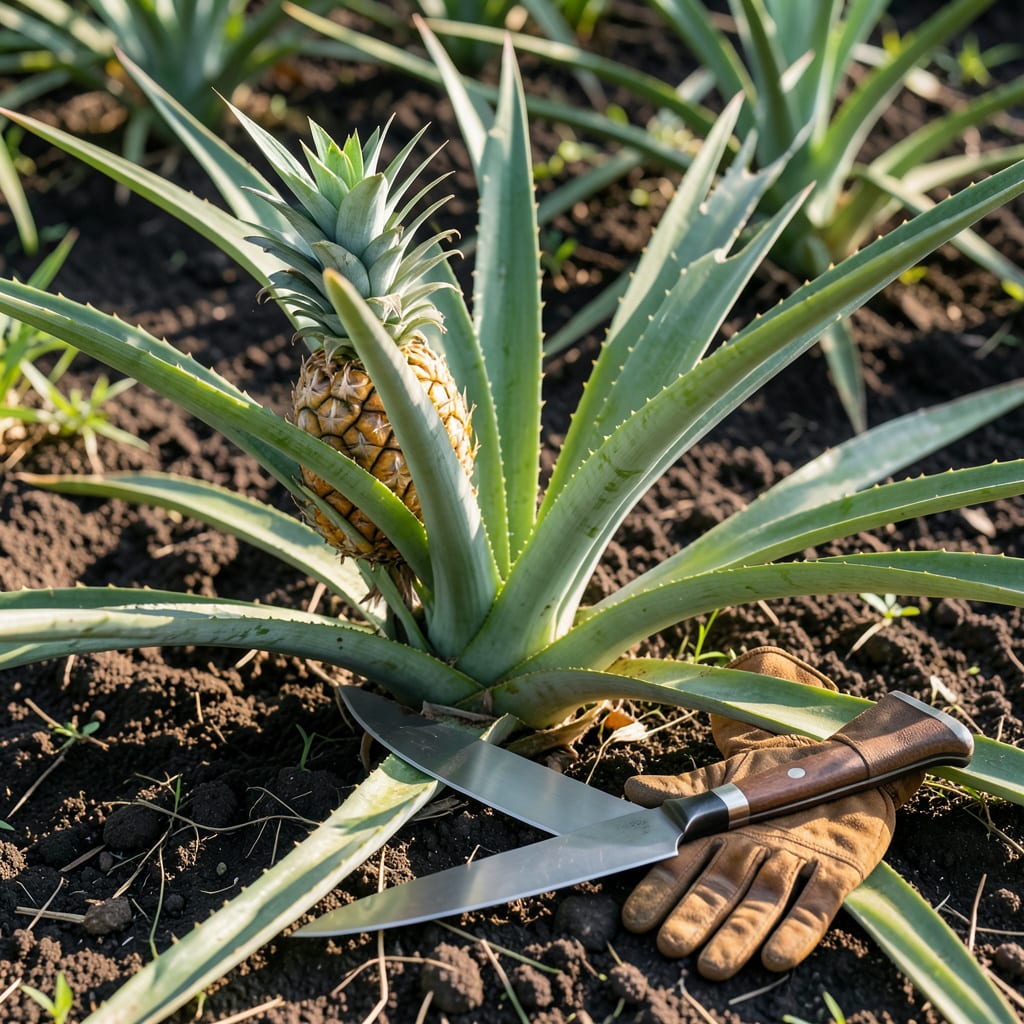
Knowing when to harvest a Pineapple 🍍 can mean the difference between a sweet, juicy reward and a bitter disappointment. Unlike many fruits, pineapples don’t ripen further after picking.
Timing is everything, and I’ll show you the visual cues and seasonal factors to watch for. With these tips, you’ll confidently pick your Pineapple at its peak.


I’ve found that pineapples give clear signals when they’re ready to pick. The most obvious is the color change at the fruit’s base, shifting from green to golden yellow. This transformation starts at the bottom and works its way up.
Another telltale sign is the sweet aroma emanating from the base. If you catch a fruity scent when you’re near the plant, it’s a strong indicator that the pineapple is nearing its peak. Don’t rely on color alone, as some varieties stay partially green when ripe.
| cell” style=”background-color:#6fd544;color:#ffffff;font-weight:600;”>Description | |
| row”> | cell”>Strong aroma at the fruit’s base |
| row”> | cell”>Yields slightly when pressed |
The leaves also provide clues. When the lower leaves start to dry out and turn brown at the edges, your pineapple is likely ready. This is a natural part of the ripening process, so don’t be alarmed if you notice this change.
I always check the texture too. A ripe pineapple will feel slightly soft when you press it gently. If it’s still hard, give it more time. However, avoid squeezing too hard, as this can damage the fruit.
One common mistake I see is harvesting based on size alone. While pineapples typically reach 4-6 inches tall and 3-4 inches wide when mature, size isn’t the only factor. Always combine this with the other signs for the best results.
The crown leaves can also offer hints. If they’re still bright green and firm, the pineapple likely isn’t ready. But if they start to wilt slightly or lose their vibrant color, it’s another sign of ripeness.
I recommend checking your pineapple every few days as it nears maturity. The ripening process can happen quickly, especially in warm climates. Missing the window by even a day or two can affect the flavor and texture.
Remember that pineapples don’t ripen after picking, unlike some other fruits. This means you need to be absolutely sure it’s ready before you harvest. When in doubt, I suggest waiting an extra day or two rather than picking too early.
Finally, consider the season. In most growing zones, pineapples are ready to harvest 18-24 months after planting. If you’re approaching this timeframe and noticing these signs, it’s probably time to enjoy your hard-earned reward. ☀️
I always use the tug test as my first check. Gently pull a crown leaf from the center. If it comes out easily with a slight tug, your pineapple is likely ready to harvest.
Another reliable method is the sound test. Tap the pineapple with your knuckles. A ripe one will produce a dull, solid thud, while an unripe fruit sounds hollow or metallic.
For a more scientific approach, I check the sugar content. Cut a small section from the base and taste the juice. If it’s sweet and flavorful, the pineapple is ready. If it’s sour or bland, wait a few more days.
The weight test also works well. A ripe pineapple will feel heavy for its size. Compare it to similar-sized pineapples you’ve harvested before to gauge if it’s at the right weight.
I avoid relying solely on color changes because some varieties stay green even when ripe. The golden base is a good indicator, but always combine it with other tests for accuracy.
Finally, trust your nose. A strong, sweet aroma at the base is one of the most reliable signs. If you can smell the pineapple’s sweetness from a foot away, it’s definitely ready for picking. ☀️
Harvesting your pineapple at the wrong time can drastically affect its flavor and texture. If picked too early, the fruit will be sour and hard, lacking the sweetness pineapples are known for.
An overripe pineapple becomes mushy and may ferment, leading to an unpleasant taste. The flesh can turn overly soft, and the sugar content may start to convert into alcohol, ruining the experience.
Sweet flavor fully developed
Firm texture perfect for eating
Longer storage life after picking
Sour taste if underripe
Mushy texture if overripe
Short shelf life
If you accidentally pick an underripe pineapple, you can try ripening it indoors by placing it near other fruits like bananas, which emit ethylene gas. However, this method won’t work as well as leaving it on the plant.
For overripe pineapples, your best bet is to use them quickly. The flesh can still be edible if the fermentation hasn’t progressed too far, but the window is small. I recommend harvesting as soon as you notice the first signs of overripeness.
To avoid these issues, I check my pineapples daily as they near maturity. The transition from unripe to perfectly ripe can happen in just 24-48 hours, so vigilance is key. 🌱
Pineapples typically take 18-24 months from planting to harvest. This long growth period is normal, so patience is key. The fruit won’t ripen further once picked, so timing is crucial.
An unripe pineapple will be sour and hard with underdeveloped sweetness. Unlike some fruits, it won’t continue ripening after harvest. Your best bet is to leave it on the plant until fully ripe.
No, pineapples ripen at their own pace on the plant. However, placing an underripe one near ethylene-producing fruits like bananas may help slightly. This method isn’t as effective as waiting for natural ripening.
Check your pineapple daily as it approaches maturity. The transition from unripe to perfectly ripe can happen in just 24-48 hours. Missing this window can affect flavor and texture.
