
Beautiful Plants For Your Interior
Beautiful Plants For Your Interior
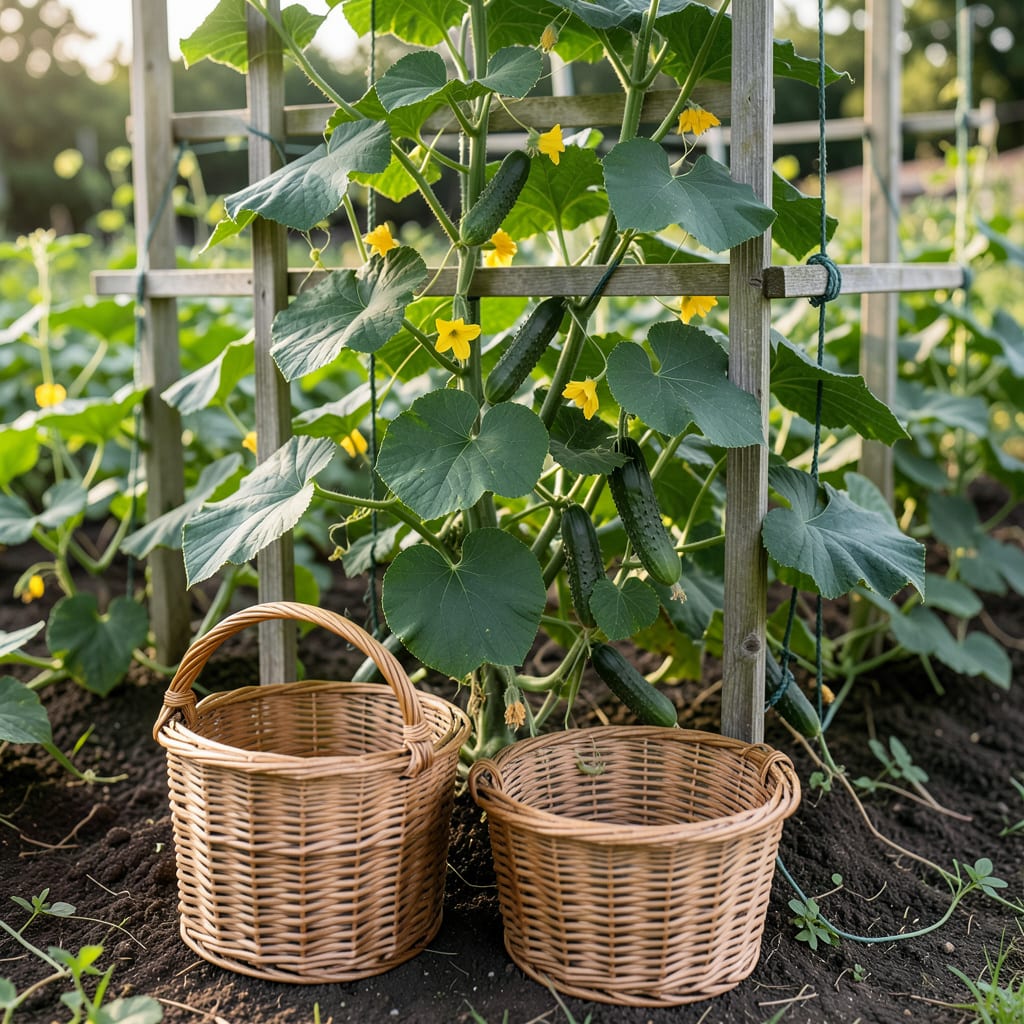
Timing is everything when growing Pickling Cucumber. Plant too early, and frost will ruin your vines; plant too late, and you’ll miss peak harvest.
For zone 6, the sweet spot is April through June for planting. I’ll show you how to hit that perfect window for crisp, flavorful 🥒 pickles every time.
If you’re wondering when to plant pickling cucumbers, the answer depends on your USDA hardiness zone. These warm-season vegetables thrive when soil temperatures reach at least 60°F, with 70-90°F being ideal for growth.
In cooler zones like 3-4, wait until late May or early June to avoid frost damage. Southern gardeners in zones 8-10 can start as early as March for an extended season. Always check your last frost date before planting.
| Zone | Planting Window | Harvest Window |
|---|---|---|
| Zones 3-4 | Late May – Early June | July – August |
| Zones 5-6 | Mid-April – May | June – September |
| Zones 7-8 | March – April | May – October |
| Zones 9-10 | February – March | April – November |
For the best results, I recommend using a soil thermometer to confirm temperatures. Pickling cucumbers planted in cold soil will struggle to germinate and may rot. In my experience, black plastic mulch helps warm the soil faster in spring.
In regions with short growing seasons, choose fast-maturing varieties like ‘Boston Pickling’ or ‘National Pickling’. These can go from seed to harvest in as little as 45-50 days, perfect for northern gardeners.
Southern gardeners can enjoy two crops per year. Plant the first in early spring and a second in late summer for a fall harvest. Just be sure to provide afternoon shade during the hottest months to prevent heat stress.
The key to a long pickling cucumber season is consistent moisture. I water my plants deeply 2-3 times per week, more often during droughts. Drip irrigation works best to keep foliage dry and prevent disease.
Don’t forget that frost dates bookend your season. In zone 6, where I garden, our last frost is typically April 15 and first frost October 15, giving us about 180 frost-free days for multiple harvests.
For those in transitional zones like 6-7, starting seeds indoors 3-4 weeks before the last frost can give you a head start. Just harden off seedlings before transplanting to avoid shock.
Remember that microclimates in your yard can affect timing too. South-facing walls or urban heat islands may allow for earlier planting, while low-lying areas might require waiting a bit longer.
☀️Knowing when to pick your pickling cucumbers is just as important as planting them at the right time. I look for firm, bright green cucumbers that are 2-6 inches long for the best pickling results.
The skin should feel bumpy and the cucumber should be uniform in color without any yellowing. If it feels soft or squishy, it’s likely overripe and past its prime for pickling.
I’ve found that morning harvesting gives the crispest texture. The cucumbers are most hydrated after a cool night, which is perfect for that snap we all want in pickles.
Check your plants every day during peak season. Pickling cucumbers can grow an inch or more in a single day, and they’re best when harvested young.
If you see any cucumbers turning yellow or developing a bulging shape, they’ve stayed on the vine too long. These are better for seed saving than pickling.
For continuous harvests, pick cucumbers regularly. This encourages the plant to produce more. I aim to harvest mine every 2-3 days during the height of the season.
✂️I love using succession planting to get multiple harvests of pickling cucumbers. This simple technique lets me enjoy fresh cucumbers all season long by planting new seeds every 2-3 weeks instead of all at once.
For the best results, I start my first batch when soil reaches 60°F, then plant another round as soon as the first vines begin producing. This staggered approach ensures a continuous supply rather than one big harvest that overwhelms my garden.
💡 Key Takeaway: Plant fast-maturing varieties like ‘Calypso’ or ‘Bush Champion’ every 2 weeks for a steady harvest from early summer through fall.
In cooler climates, I use row covers to protect early plantings from unexpected chills. These lightweight fabrics trap heat while allowing light and water through, giving my cucumbers a 2-3 week head start on the season.
For fall harvests, I count backward from my first frost date. Since most pickling cucumbers need about 55-65 days to mature, I plant my final succession in early August to beat the cold in my zone 6 garden.
Don’t forget that container gardening works great for succession planting too. I’ve had success with 5-gallon buckets on my patio, moving them to follow the sun as the season progresses.
☀️Most regions enjoy a 3-4 month harvest window. In cooler zones, it runs from July to September, while warmer areas may stretch from May to October or later. Succession planting can extend this even further.
Wait until soil reaches at least 60°F, with 70-90°F being optimal. Use a soil thermometer to check—planting in cold soil can stunt growth or cause seeds to rot.
Use 5-gallon buckets or larger containers with drainage. Place them in full sun and keep soil consistently moist. Container-grown plants may need more frequent watering.
Bitterness often comes from heat stress or inconsistent watering. Provide afternoon shade in extreme heat and maintain even moisture. Harvest young cucumbers, as older ones tend to be more bitter.
