
Beautiful Plants For Your Interior
Beautiful Plants For Your Interior
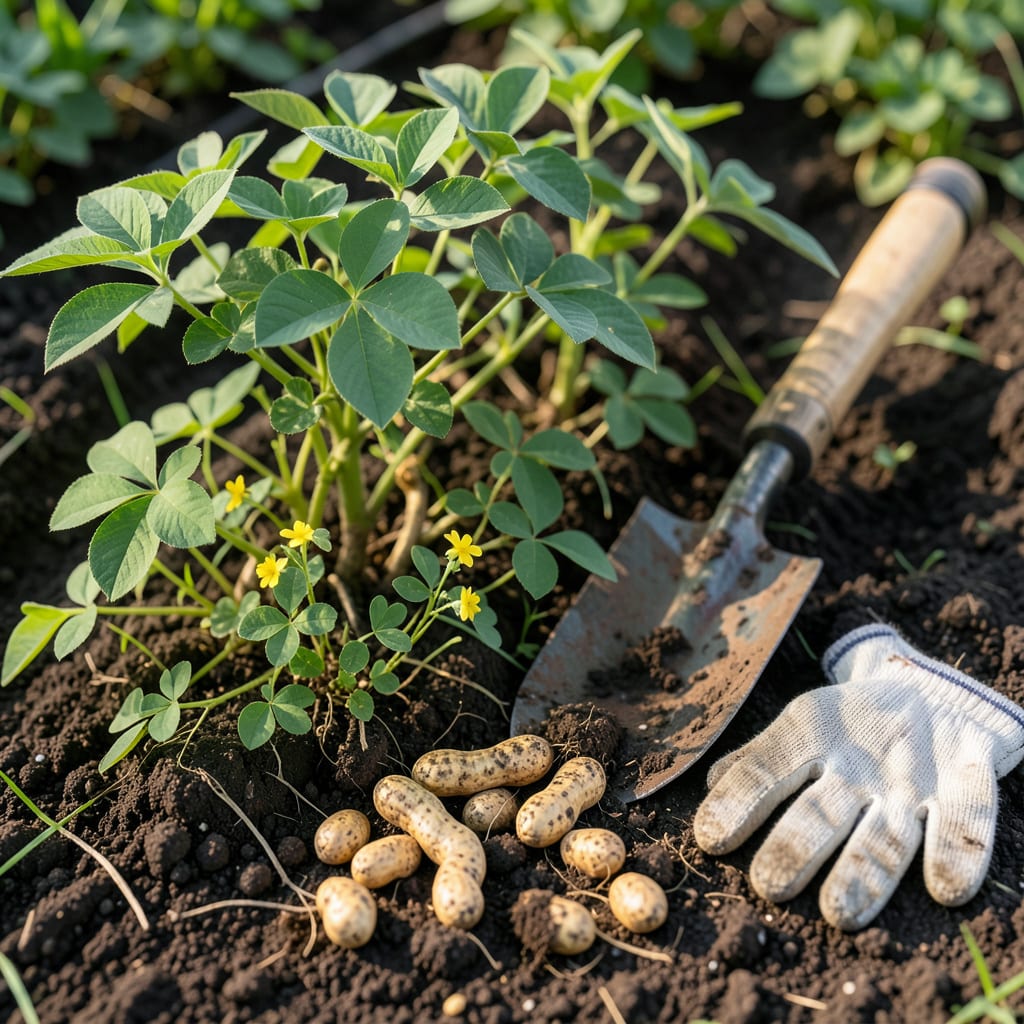
Timing your peanut harvest can be the difference between perfect flavor and a missed opportunity. The 🥜 Peanut gives clear signals when it’s ready, but you need to know what to look for.
From yellowing leaves to plump pods, I’ll show you the exact signs that mean it’s harvest time. Let’s make sure you pick at the peak of ripeness.


I always watch for yellowing leaves as the first sign that my peanuts are nearing harvest. This color change indicates the plant is maturing and shifting energy to pod development.
The vines dying back is another clear signal. When the foliage starts to brown and wither, the peanuts below are likely ready for picking.
| Sign | Description |
| Yellowing Leaves | Leaves turn yellow as plant matures |
| Pod Development | Shells feel firm and contain plump peanuts |
| Vine Dieback | Foliage browns and withers |
| Peg Maturation | Pegs (stems) darken and thicken |
| Soil Conditions | Check after dry spell for easier digging |
I check the pegs—those special stems that grow into the soil where peanuts form. When they turn dark brown and feel thick, it’s a sure sign the peanuts are mature.
The pods themselves should feel firm when gently squeezed through the soil. If they’re still soft or spongy, the peanuts need more time to develop.
I recommend using a garden fork to carefully lift a test plant. This lets me inspect the pods without damaging the entire crop.
Inside the pods, the peanuts should fill the shells completely. If they’re still small or loose in the shell, they’re not ready for harvest.
In my experience, 120 days after planting is the sweet spot for most peanut varieties. But always check the signs rather than relying on time alone.
For Virginia peanuts, I look for these signs about 130-150 days after planting. Spanish peanuts often mature a bit sooner, around 100-120 days.
Remember that soil temperature affects maturation. In cooler climates, peanuts may need the full 150 days to reach peak readiness.
I’ve found that harvesting after a dry spell makes digging easier and reduces the risk of mold development during drying.☀️
In my garden, I’ve noticed that soil temperature plays a huge role in peanut maturation. Warmer soils speed up growth, while cooler climates may delay harvest by several weeks.
Rainfall patterns also impact timing. Too much rain can cause pod rot, while drought stresses the plants. Aim for consistent moisture without waterlogging.
I always check the USDA zone for my area. In Zone 7-11, peanuts typically mature in 120-150 days. Cooler zones may require early varieties or season extenders.
Virginia peanuts thrive in longer growing seasons, while Spanish peanuts adapt better to shorter windows. Choose varieties that match your climate constraints.
I’ve found that mulching helps regulate soil temperature and moisture. A 2-3 inch layer of organic mulch keeps roots cool in summer and warm in early fall.
Finally, watch the forecast. If a hard frost is predicted, harvest immediately—even if some pods aren’t fully mature. Frost will damage the crop beyond recovery.☀️
I’ve learned the hard way that harvesting too early is one of the biggest mistakes. Peanuts picked before full maturity often have underdeveloped kernels and poor flavor.
Wait too long, and you risk split pods or mold growth. Overripe peanuts can also germinate in the soil, making them unsuitable for storage.
I always use a gentle touch when digging. Rough handling can damage the pods and lead to post-harvest losses.
Don’t harvest during wet conditions. Damp soil makes digging difficult and increases the risk of rot during drying. I wait for a dry spell before starting.
Finally, avoid piling peanuts too deeply during curing. Good air circulation is essential. I spread them in a single layer in a well-ventilated area.🌿
Look for yellowing leaves and vines dying back. The pods should feel firm when gently squeezed, and peanuts inside should be plump.
Yes! Virginia peanuts often need 130-150 days, while Spanish peanuts mature faster at 100-120 days. Always check the variety’s specific timeline.
Peanuts will have underdeveloped kernels and poor flavor. The shells may still be soft, and the crop won’t store well.
Cooler soils or excessive rain can push harvest back by 2-3 weeks. Aim for consistent moisture and warm conditions.
