
Beautiful Plants For Your Interior
Beautiful Plants For Your Interior
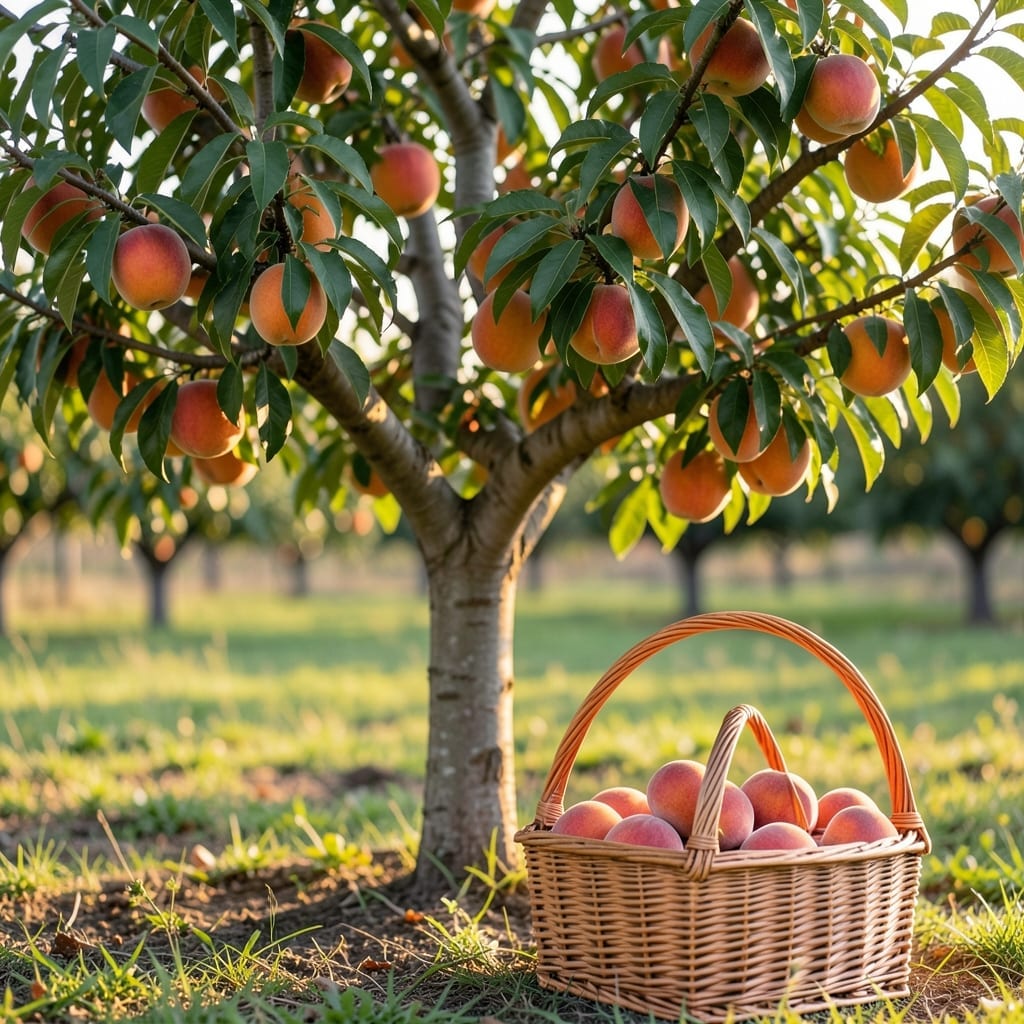
Nothing beats the taste of a sun-ripened Peach 🍑 picked fresh from the tree, but timing is everything. Knowing when to harvest ensures you get the juiciest, sweetest fruit possible.
Across most growing zones, you can expect to enjoy fresh peaches from June to August. The exact window depends on your region and the variety you’re growing.
I’ll walk you through the key factors that determine peach season and share tips to help you pick at peak ripeness. Let’s discover how to make the most of this delicious season.
Timing your peach harvest perfectly depends on where you live. The peach season varies significantly across the U.S. due to climate differences and local growing conditions. In warmer regions, the season starts earlier.
I’ve found that California’s Central Valley often kicks off the season in late May, while cooler areas like the Pacific Northwest may not see ripe peaches until July or August.
| Region | Peach Season | Climate Influence |
| California | Late May – September | Warm, Mediterranean |
| Georgia | June – August | Humid subtropical |
| South Carolina | June – July | Humid, hot summers |
| Pacific Northwest | July – August | Cooler, maritime |
In Georgia, known as the Peach State, the season typically runs from June through August. The humid subtropical climate there creates ideal conditions for sweet, juicy peaches to thrive.
Meanwhile, South Carolina sees its peak harvest a bit earlier, often wrapping up by mid-July. The hot summers and well-drained soils contribute to a slightly shorter but intense season.
For gardeners in the Pacific Northwest, the cooler climate means a later start. Peaches here usually ripen from July to August, sometimes extending into early September for late varieties.
If you’re in a cooler zone, like USDA Zone 5, you might need to wait until late July or August for your peaches to fully ripen. The shorter growing season requires careful variety selection.
I always recommend checking with local orchards or extension offices for the most accurate timing. They’ll know the nuances of your area’s microclimates and can suggest the best peach varieties for your region.
Early-season varieties like ‘Redhaven’ often ripen first, while late-season types such as ‘Elberta’ may take until late August to reach peak sweetness. Planting a mix can extend your harvest window.
Remember, frost dates also play a role. A late spring frost can delay blooming, pushing back the entire season by a week or two. Keep an eye on weather forecasts during bloom time.
Picking a perfectly ripe peach is an art that rewards you with the sweetest, juiciest fruit. I always look for full color development first—no green undertones should remain on the skin.
The aroma at the stem is another telltale sign. A ripe peach will have a sweet, fragrant smell that lets you know it’s ready. If there’s no scent, the fruit isn’t at its peak yet.
When I gently press a peach, it should have a slight give without being mushy. If it’s rock hard, it needs more time on the tree. The stem end should also have changed from green to brown.
At farmers markets, I avoid peaches with bruises or soft spots. These often indicate overripeness or rough handling. Instead, I choose fruit with a velvety skin texture and vibrant color.
For the best flavor, I pick peaches in the early morning when they’re cool. This helps preserve their freshness. If you can’t eat them immediately, store them at room temperature to continue ripening.
Remember, peach varieties ripen at different times. Freestone peaches often ripen earlier than clingstones, so check each type individually for the best results.
With these tips, you’ll always bring home the perfect peach every time. ☀️