
Beautiful Plants For Your Interior
Beautiful Plants For Your Interior
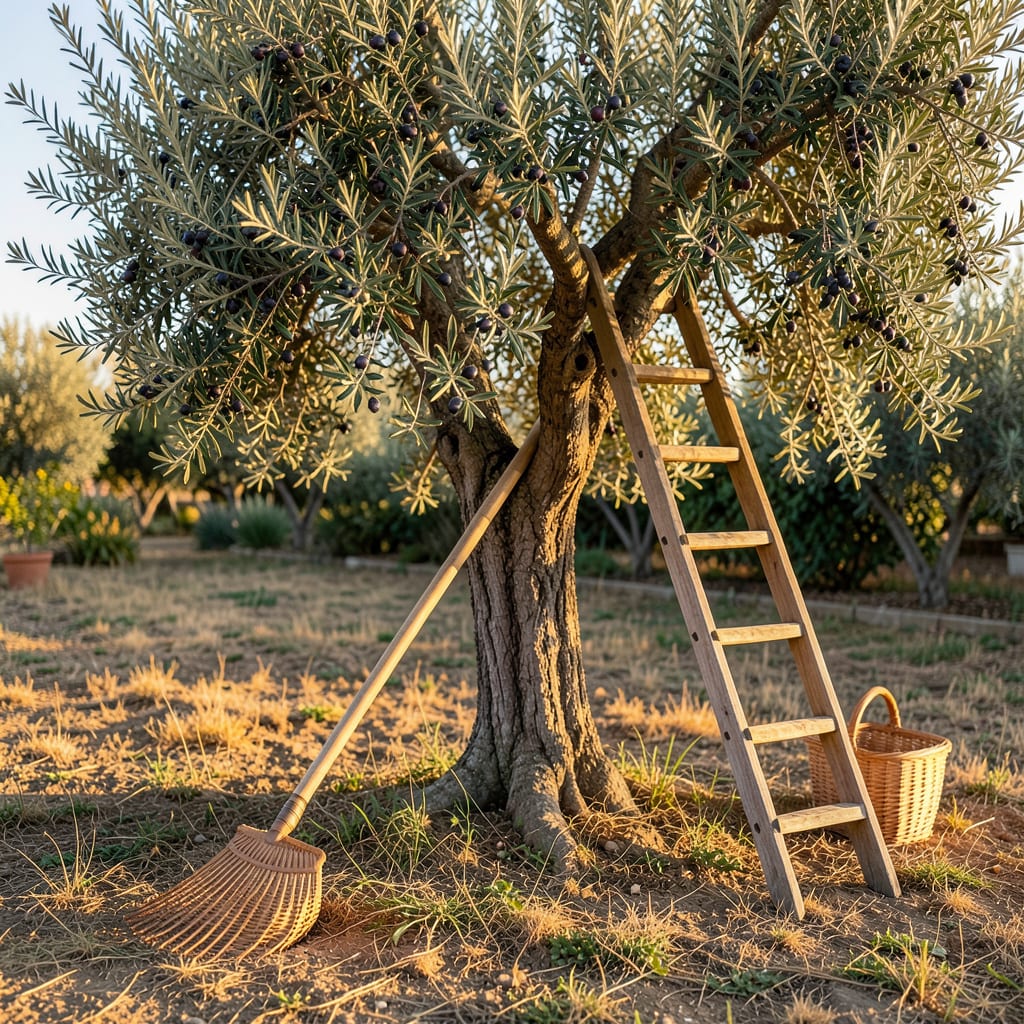
Timing is everything when it comes to harvesting Olive in Italy. The difference between bitter and perfect often comes down to just a few weeks.
From Tuscany to Sicily, regional variations and climate play the key roles. I’ll show you how to spot the ideal moment for your 🫒 Olive crop.


Timing your olive harvest in Italy depends heavily on the region. Each area has its own microclimate and traditional varieties that dictate the best picking window. I’ve seen firsthand how Tuscan Frantoio olives ripen faster than Puglian Coratina ones.
In northern regions like Liguria, cooler temperatures mean an earlier harvest, often starting in late September. Further south, in Sicily or Calabria, the warmer climate delays picking until November or December.
| Region | Primary Variety | Harvest Window | Climate Influence |
|---|---|---|---|
| Tuscany | Frantoio | October-November | Moderate rainfall |
| Puglia | Coratina | November-December | Hot, dry summers |
| Liguria | Taggiasca | September-October | Cooler coastal |
| Sicily | Nocellara | October-December | Mediterranean |
Altitude also plays a critical role in harvest timing. In hilly areas like parts of Umbria, olives may ripen 2-3 weeks later than in lowland groves. I always check the color change from green to purple as my first sign.
Rainfall patterns can delay or accelerate ripening. A dry autumn in Tuscany might push the harvest earlier, while excessive rain in Puglia could extend the season. Gardeners should watch for skin glossiness and easy detachment from branches.
The olive variety itself is another key factor. Frantoio and Leccino typically ripen earlier, while Coratina and Cellina di Nardò often need the full November-December window. I’ve noticed Taggiasca olives in Liguria are ready by late September.
For home gardeners, the best approach is to monitor daily. Start checking olives in early October in most regions. When about 50-70% of the fruit shows color change, it’s usually time. This balance gives the best oil quality and flavor.
Remember that early harvests produce more bitter oil with higher polyphenols, while late harvests yield milder, fruitier oil. Commercial growers often pick earlier for higher quality, while home gardeners might wait for peak ripeness.
In my experience, the ideal window is often just 2-3 weeks long. Missing it can mean lower quality oil or fruit that’s overripe and mushy. I recommend testing a few olives daily once you see the first color changes. 🌿
Finally, local traditions can offer clues. Many Italian growers time their harvest with the first frost or specific saints’ days. In Tuscany, some wait until after All Saints’ Day (November 1st), while in Puglia, harvesting might start right after Halloween.
Knowing the exact moment to harvest olives ensures the best flavor and oil quality. For home gardeners, it’s about observing the visual and tactile cues rather than just the calendar. I always start checking in early October for most regions.
The first sign is the color change. Olives transition from deep green to purple or black as they ripen. This shift is your primary indicator, but it’s not the only one to watch for.
Another key indicator is the skin texture. Ripe olives develop a slightly glossy sheen that’s easy to spot in sunlight. If the skin looks dull or matte, the olives likely need more time. I often run my fingers over the fruit to check.
The ease of detachment is equally important. Gently tug a few olives—if they come off the branch with minimal effort, they’re likely ready. If they resist strongly, wait a few more days. This test is especially useful for Taggiasca and Frantoio varieties.
Avoid harvesting too early, as green olives produce bitter oil with high polyphenol content. On the other hand, waiting too long can result in overripe, mushy fruit that’s past its prime. I’ve found the sweet spot is when about 60% of the olives show color change.
Finally, taste a few olives to confirm. A mature olive should feel firm but not hard and have a rich, slightly sweet flavor when fully ripe. If they taste excessively bitter, give them more time on the tree. 🌿
Choosing the right harvesting method can make a big difference in your olive yield and oil quality. In Italy, the approach often depends on the scale of your grove and your personal preferences as a gardener.
For small-scale gardeners, hand-picking remains the most gentle and precise method. It allows you to select only the ripe olives while leaving the rest to mature further. I often use this method for my Taggiasca olives in Liguria.
Rakes or combs are another traditional option, especially for medium-sized groves. They allow you to strip olives from branches more quickly than hand-picking. However, I’ve found they can sometimes damage the tree if used too aggressively.
For larger groves, mechanical shakers are the most efficient. These machines vibrate the trunk or branches, causing olives to fall onto nets. While this method is fast and cost-effective at scale, it’s less practical for home gardeners.
The timing of your harvest often influences your method choice. Early harvests benefit from hand-picking to select only the ripest fruit, while later harvests might allow for more mechanical approaches. I prefer hand-picking for my early October harvests in Tuscany. 🌿
Early harvests in September-October produce oil with a peppery, bitter taste due to higher polyphenols. Later picks in November-December yield milder, fruitier oil with a smoother finish.
Overripe olives turn completely black and feel mushy when squeezed. They also detach too easily from branches. Harvest when olives are firm and show 50-70% color change from green to purple.
Yes, but act quickly. A light frost won’t harm olives, but a hard freeze can damage the fruit. In colder regions like Tuscany, many growers aim to finish before mid-November to avoid risk.
Hand-picking is ideal for small trees. It’s gentle on branches and lets you select only ripe olives. Use a small ladder for higher branches and work carefully to avoid bruising the fruit.
