
Beautiful Plants For Your Interior
Beautiful Plants For Your Interior
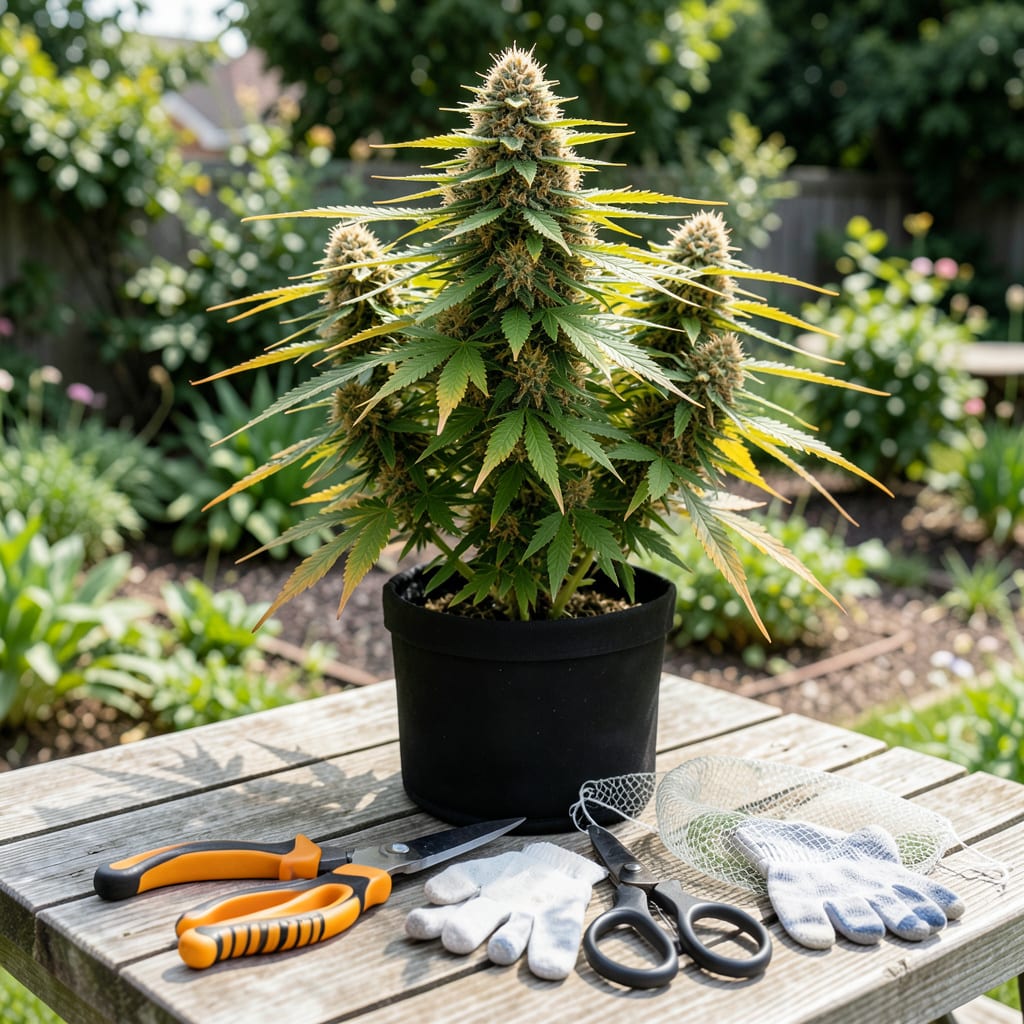
Timing your Marijuana 🍃 harvest perfectly can make or break your yield. The difference between premature and peak buds is massive in potency and flavor.
I’ll show you the exact signs to look for—like trichome color and pistil changes—so you never guess again. Let’s discover how to pick at the ideal moment.


The most reliable way to know when your marijuana is ready is by examining trichome clarity. These tiny resin glands change from clear to cloudy to amber as the plant matures.
I always recommend using a jeweler’s loupe or microscope to get a close look. Clear trichomes mean your buds aren’t ready yet, while cloudy ones signal peak THC production. 🌿
| Trichome Color | Maturity Stage | Effect Profile |
|---|---|---|
| Clear | Too Early | Underdeveloped |
| Cloudy | Peak | Balanced THC/CBD |
| Amber | Late | More sedative |
For the best results, aim for a mix of 70% cloudy and 30% amber trichomes. This ratio delivers a balanced high with rich terpenes and full potency.
If you see mostly clear trichomes, wait another week or two. The buds will continue developing cannabinoids and flavors during this time.
On the other hand, if most trichomes are amber, you might be past peak. The THC starts degrading into CBN, which can make the effects more sedative.
I’ve found that outdoor plants often mature slower due to natural light variations. Indoor growers can control light cycles for more precise timing. ☀️
Remember, trichome color is the gold standard for harvest timing. It’s more accurate than pistil color or leaf changes, which can be misleading.
For a heady, uplifting effect, harvest when most trichomes are cloudy. For a more relaxing, body-focused high, let a few more turn amber.
Using a 60x-100x magnification tool makes spotting these changes much easier. I keep mine handy during the final weeks of flowering.
Consistency is key—check multiple buds on the plant, as some may mature faster than others. This ensures you don’t miss the perfect window. 🌱
While trichome clarity is the most precise method, the pistil color test offers a quick way to gauge ripeness. These hair-like structures on buds change from white to orange/brown as the plant matures.
I often check pistils when I don’t have my loupe handy. When 70-90% of pistils have darkened, your buds are likely ready for harvest. This method works best for outdoor growers with natural light cycles. 🌿
The pistil method is less precise than trichome examination but still useful. Some strains naturally have darker pistils, which can lead to premature harvesting if you rely solely on this test.
I’ve noticed that sativa-dominant strains often take longer for pistils to change color. Indicas tend to show the transition more quickly, which can be helpful for timing your harvest. ☀️
For the most accurate results, combine both methods. Check pistil color first, then confirm with trichome clarity. This dual approach prevents mistakes from environmental variations.
Remember that light exposure can affect pistil color. Too much direct sunlight may cause premature browning, while insufficient light can delay the color change.
Always examine multiple bud sites, as pistils may mature at different rates across the plant. This ensures you don’t harvest too early or too late. 🌱
Harvesting at the wrong time can ruin months of work. Picking too early means underdeveloped buds with weak potency, while waiting too long lets THC degrade into CBN.
I’ve seen growers lose 30% of their yield by misjudging the harvest window. Even experienced cultivators sometimes get tricked by environmental factors or strain variations.
🌿 Harvesting too early: Clear trichomes mean buds need more time
⏰ Waiting too long: Amber trichomes may indicate degrading cannabinoids
☀️ Ignoring light cycles: Natural variations can mislead your timing
One common mistake is relying only on pistil color. While dark pistils suggest maturity, some strains naturally have darker hairs, leading to premature harvesting.
Another pitfall is assuming all buds mature at the same rate. Top colas often ripen faster than lower buds. I always check multiple sites to confirm readiness.
Environmental stress can also trick you. Heat waves or cold snaps may cause pistils to brown prematurely without full cannabinoid development. Always verify with trichome clarity. 🌱
Use a jeweler’s loupe to examine trichome color. Cloudy trichomes mean peak THC, while amber ones signal a more sedative effect. This method is far more reliable than pistil color.
When 70-90% of pistils turn orange or brown, buds are likely ready. However, this method is less precise than checking trichomes, as some strains naturally have darker pistils.
Yes! Heat waves or cold snaps may cause pistils to brown prematurely. Always confirm with trichome clarity to avoid harvesting immature buds.
No, top colas often ripen faster than lower buds. Always check multiple sites to confirm readiness and avoid an uneven harvest.
